
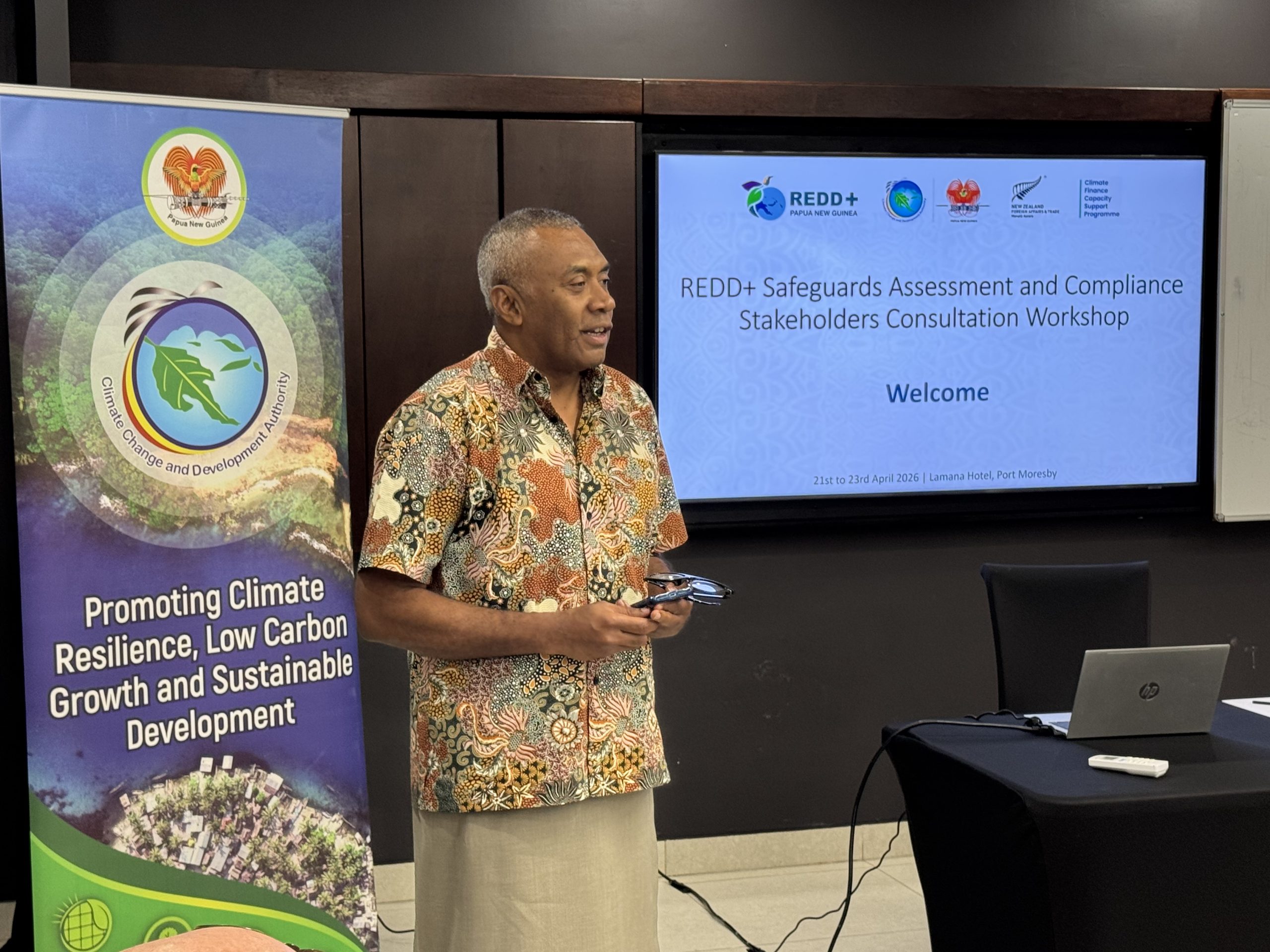
Locally led development (LLD) has become a ubiquitous term in the development sector. From candid insights and observations from local practitioners and international advisers to the release of various guidance documents by development agencies, discussions on the locally led approach have been plentiful within development circles in recent years. This discourse is exactly what is needed to rethink development and drive long-term transformative change in all sectors, including climate change.
The Climate Finance Capacity Support Programme (CFCSP) is a New Zealand Government programme supporting 15 Pacific governments to deliver on their climate priorities. A locally led approach to providing this support underpins the CFCSP’s engagement and delivery model, and as the programme looks to the future, there are lessons that we have learnt from implementation to date.
Initially emerging out of the 2016 World Humanitarian Summit and the Grand Bargain, “localisation” was a commitment made by large donors and humanitarian actors to improve the effectiveness and efficiency of humanitarian assistance by investing in national and local capacities and coordination mechanisms.
That said, there is no universally agreed definition of localisation or LLD, thus it has been interpreted and applied differently by different organisations. The original aim of localisation, as articulated under the Grand Bargain, was to make “principled humanitarian action as local as possible and as international as necessary.”[1]
[1] Inter-Agency Standing Committee (2020). ‘More support and funding tools for local and national responders’. Available at: https://interagencystandingcommittee.org/more-support-and-funding-tools-for-local-and-national-responders
In a broad sense, LLD is about putting people who are impacted by development assistance at the centre of actions and decisions so they can determine how that assistance should be best spent and delivered. This is a significant departure from established development assistance modalities that rely heavily on international technical advisers to define or assess what people, communities or countries need.
In the Pacific context, LLD is about Pacific countries driving their own development priorities, decision-making and implementation processes. This involves recognising and investing in the agency of countries and territories by strengthening local human capacity and leadership, sharing knowledge and empowering national and subnational institutions to lead change.
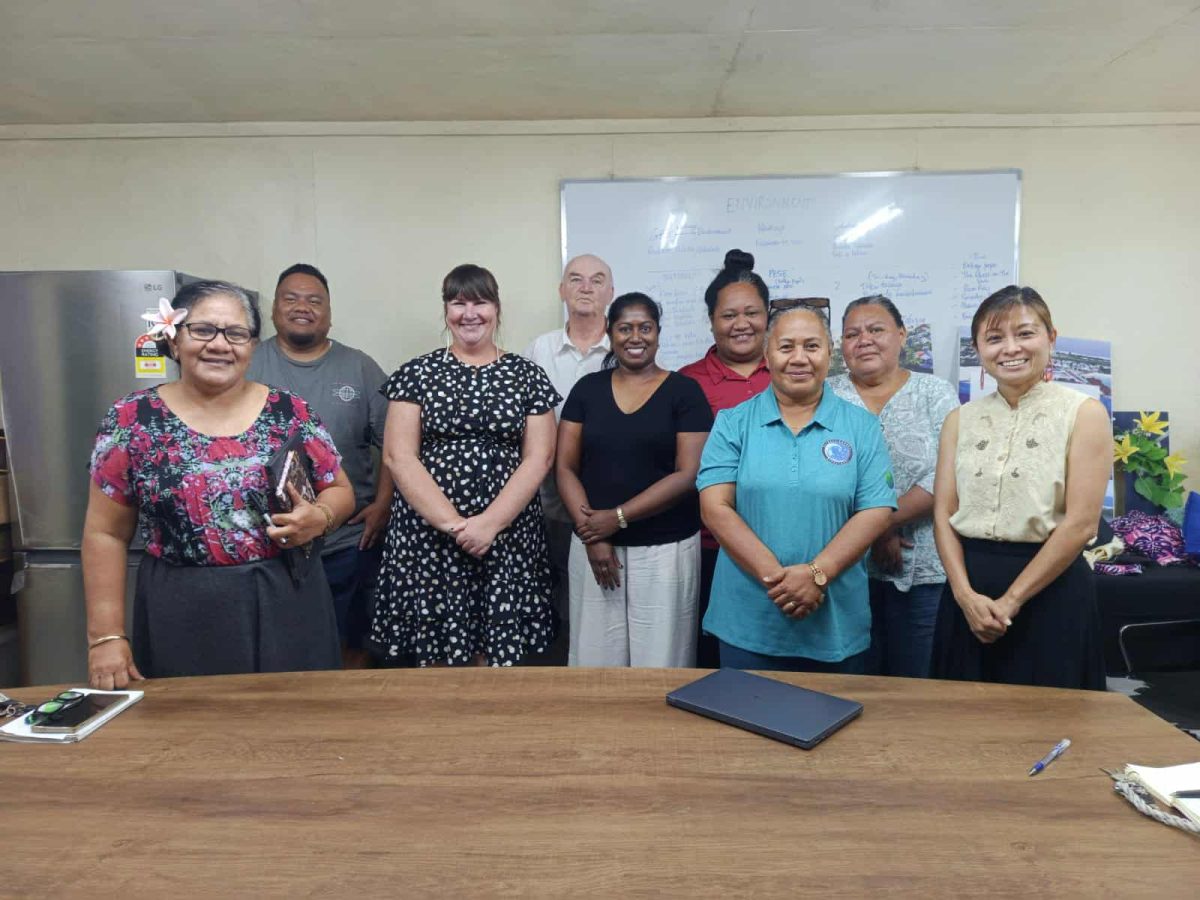
Enabling Pacific countries to achieve climate resilience is a key priority for CFCSP. The New Zealand Government launched the CFCSP in 2024 as a flexible and adaptive technical mechanism for countries in the region to strengthen their national institutions and systems, increase their access to climate finance and deliver on their climate change priorities.
LLD is important to CFCSP because its approach depends on Pacific countries taking the lead to identify what support they need. CFCSP works alongside partner Pacific countries to identify what technical capacity is required to support their climate and development needs. Support can range from sourcing and mobilising specific expertise or embedded human personnel, strengthening reporting and procurement processes, training, or forging new partnerships and connections. This approach ensures that any support is aligned with and responsive to national demand.
Equally, LLD underpins who and how CFCSP mobilises to support partner countries. As a principle, the CFCSP prioritises sourcing expertise from within the requesting country, recognising this as a key mechanism for institutionalising knowledge, strengthening national capacity, and promoting sustainable local ownership. When requested expertise cannot be found within a country, the programme then adopts a regional approach and draws on regional expertise to further build and retain capacity across and within the Pacific region. This approach works as local, followed by regional, experts have an intricate knowledge of the political economy and therefore can navigate cultural and social norms, attitudes, and behaviours.
When suitable expertise is not available within a country or the region, the CFCSP expands its search internationally. However, to ensure that external support contributes to long-term capacity development, the programme adopts a mentoring approach by pairing the international expert with a local expert. It is anticipated that this model will progressively transfer knowledge and technical skills and address identified technical capacity gaps within the country and across the Pacific region.
Investing in LLD also ensures that there is a supportive system for local experts to ensure sustainability of technical support. The CFCSP is proud to contribute to a growing cadre of Pacific Islander climate experts who can be deployed to provide technical support within their countries and across the region. These experts participate in a peer mentoring network, managed by CFCSP, to support each other in their career growth and development.
The CFCSP engages a mix of experienced Pacific consultants and early career professionals, including recent graduates, seeking to pursue climate-related careers. Together, the locally engaged personnel bring both professional experience and fresh and innovative ideas to their roles, which are key ingredients for accelerating local climate change action, and, in turn, direct funds and resources to communities in need. This approach is also designed to build and institutionalise a sustainable technical workforce by creating structured entry points for graduates and career progression opportunities for early-career professionals. It is also one way of addressing the ever-increasing challenge of staff turnover in the Pacific region.
Additionally, the CFCSP actively engages with an expanding contingent of international allies who advocate for LLD and challenge traditional top-down approaches to development assistance, including climate finance. LLD is not something that can be pursued by local actors alone. It requires building coalitions of people who are committed to bringing about transformative change in the development sector by shifting power, money and decision-making authority to local actors.
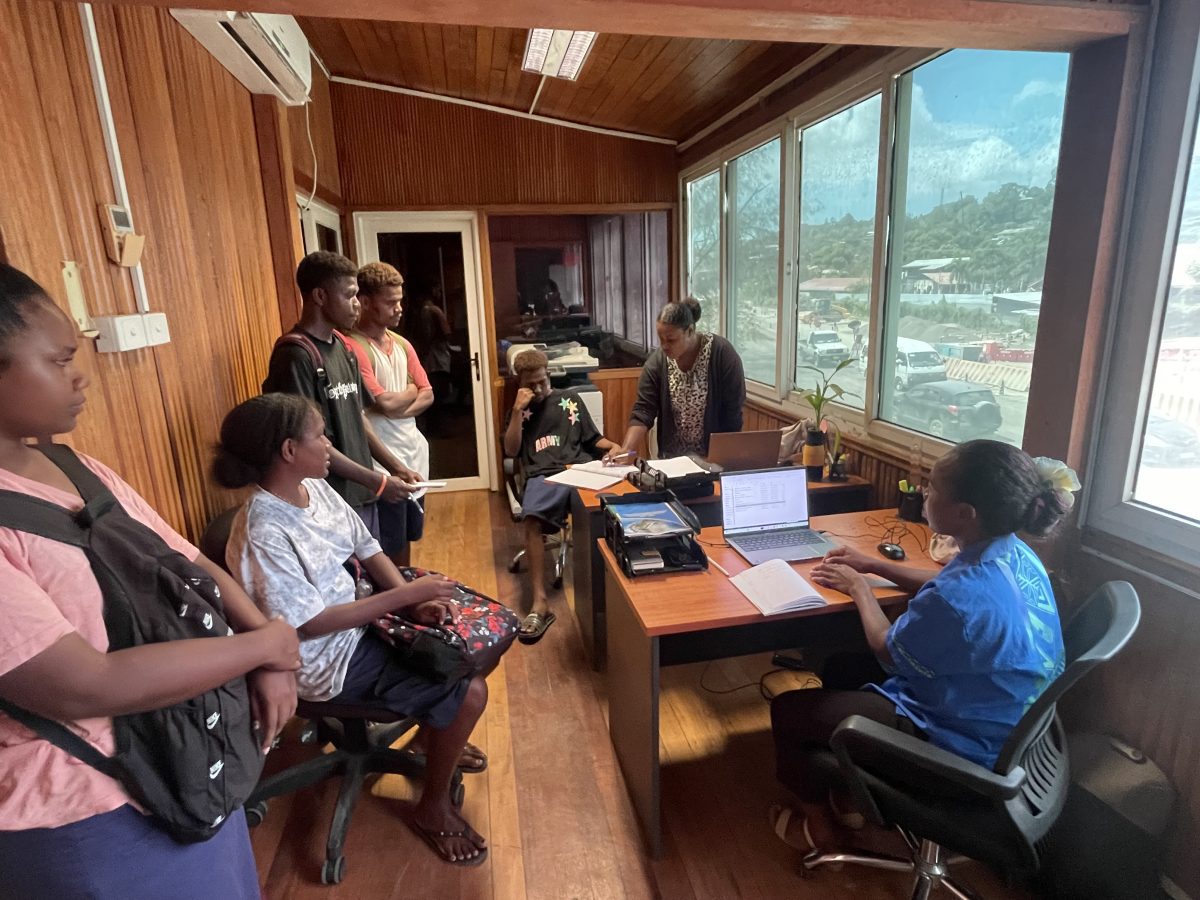
Locally led development is more than just terminology for Pacific professionals. It is a concept and a practice that recognises and invests in Pacific expertise and shifts power to those with the deepest knowledge – and those most likely impacted by decisions made.
Climate change is an immediate and real threat to the Pacific. Building Pacific expertise to respond to Pacific challenges is central to the work of the CFCSP – and a legacy that the programme strives to leave beyond its lifecycle.
To learn more about the CFCSP, visit https://cfcsp.org.nz/
Note: CFCSP’s LLD journey draws on collective insights of the programme as well as DT Global’s Locally Led Development Framework to test and tailor strategies that amplify local leadership.