From safer roads to climate-resilient water systems, infrastructure sets the foundation for economic growth and social well-being. Few understand this better than Eleanor Fenton, Principal and Lead of DT Global’s Infrastructure Management Unit (IMU). In this Q&A, Eleanor shares her journey into infrastructure development and explains how DT Global is improving lives through resilient, sustainable infrastructure.
An architect by training, my journey into infrastructure began as a short-term consultant in the Solomon Islands, working on an asset management project.
That experience really clarified what kind of work I wanted to do. The outcomes we achieved were meaningful and tangible for local communities in a way I hadn’t experienced before. You could clearly see how better infrastructure improved people’s daily lives, and that sense of impact is what drew me to the sector and continues to motivate my work.
Infrastructure projects in developing contexts are complex because they’re rarely about just delivering a single asset. The infrastructure itself is often the vehicle for achieving a much broader set of development outcomes.
Projects typically need to incorporate gender equality, disability and social inclusion, support local businesses, deliver training and skills development, and meet increasingly important climate and resilience requirements. Balancing all of these objectives while still delivering practical, high-quality infrastructure is one of the key challenges of working in this space.
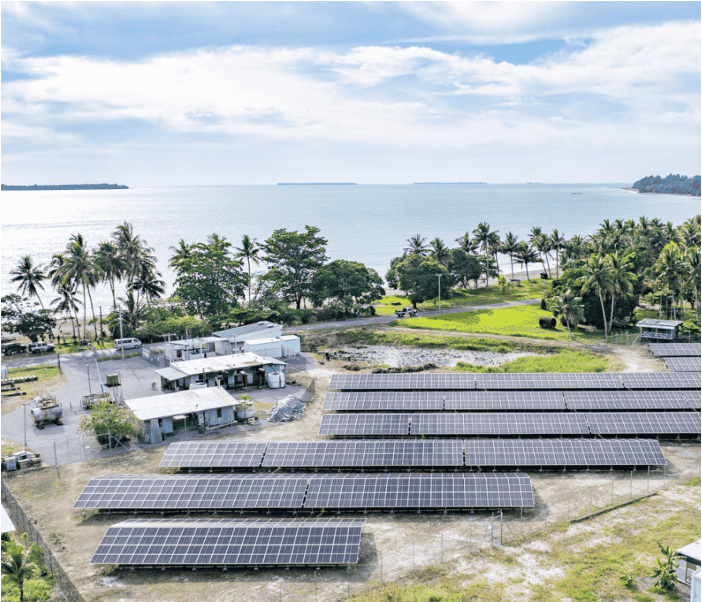
Sustainability starts with understanding the existing level of asset management systems and contextual limitations faced by asset owners who are responsible for operating and maintaining infrastructure. We design projects that are appropriate for those realities and work closely with asset owners to integrate new infrastructure into their existing management plans.
Engaging early is really important. We make sure ongoing operational and maintenance costs are clearly understood and planned for from the beginning. At DT Global, we take a lifecycle approach to infrastructure, looking well beyond the delivery date to ensure assets remain functional, affordable, and effective over the long term.
For instance, the redeveloped Kimbe Market in New West Britan, Papua New Guinea, which opened in December 2023, is a good example of this approach. Developed in partnership with the Australian, New Zealand and West New Britain Provincial governments, the market now provides a larger, safer and universally accessible facility, supporting around 800 vendors and up to 6,000 people on its busiest days. We focused on local employment during construction and continued support after completion, including two years of maintenance assistance. This helps ensure the market continues to deliver lasting economic and social benefits for the community.
I think what really sets DT Global apart is our locally led approach, particularly in the Pacific, and the way we recognise that infrastructure needs to work within local systems and constraints. We spend a lot of time working closely with asset owners, communities, and local contractors so projects are grounded in local context and are realistic to deliver and maintain.
We’re focused on building local capability, not just delivering an asset. That includes using local materials and labour wherever possible and structuring projects to work with local contractors and experts. Alongside delivery, we support training and skills development in areas like asset management, construction management, and business development, which helps strengthen the local construction sector over time.
Sustainability is also a big part of how we work. We think carefully about the capacity and limitations of asset owners and design projects that fit those realities to ensure everything works well long after the project ends. We also build climate resilience, inclusion and risk management into everything we do.
Overall, it’s about using infrastructure to achieve broader development outcomes, not just physical assets.
The Infrastructure Management Unit and our extranet at DT Global is a great technical resource for our programs. The extranet enables program teams across DT Global to access templates and tools, learn about each other’s projects, and share best practice. This promotes consistency, reduces duplication, and helps teams continuously improve by learning from real-world experience across different contexts.
There’s a real opportunity to broaden the impact of infrastructure through the way projects are structured. In many contexts, there are still relatively few local contractors able to deliver donor-funded infrastructure. By designing projects differently, we can better support small and medium enterprises and expand the number of local companies involved in this work.
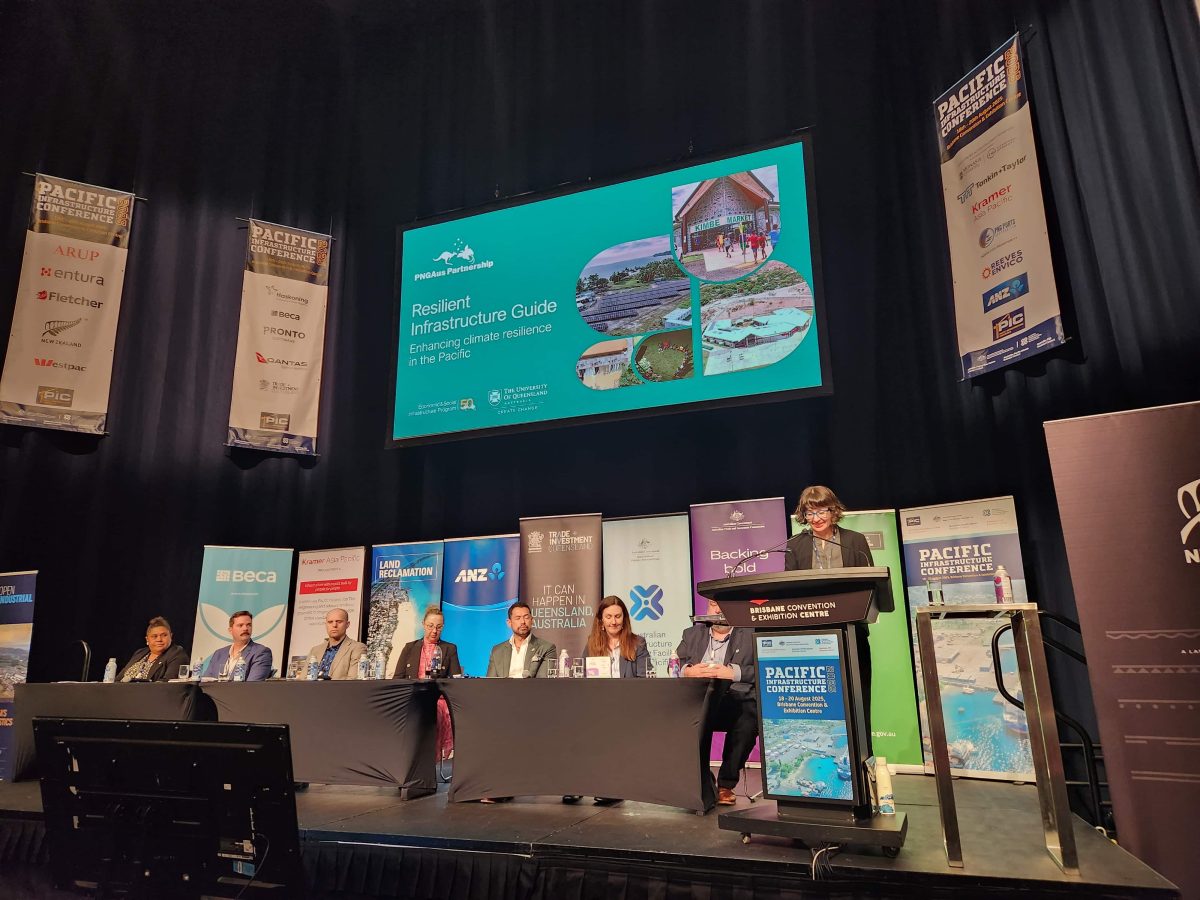
There’s also a huge opportunity around resilient infrastructure. Taking a more structured approach to resilience, through clearer guidance and better integration into design and delivery, can significantly improve how infrastructure performs in the face of climate change and natural disasters.
______
Through thoughtful design, strong partnerships, and a focus on long-term sustainability, DT Global’s Infrastructure Management Unit continues to demonstrate how infrastructure can be a powerful driver of inclusive and resilient development. To learn more or to partner with us, please get in touch with the team at infrastructure.unit@dt-global.com