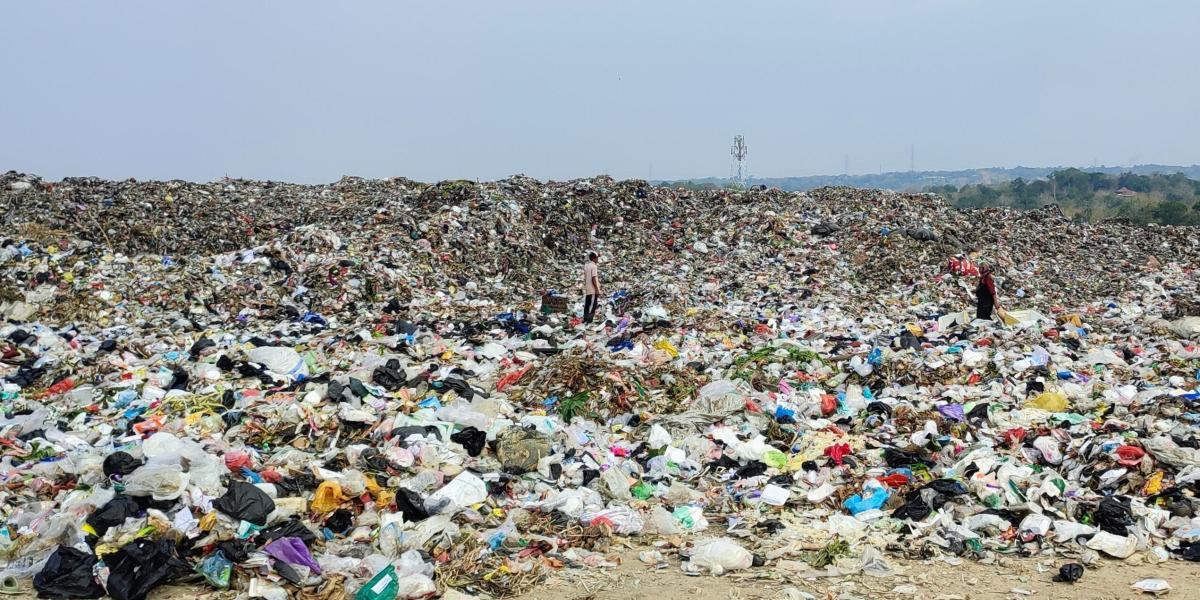

Marine plastic pollution continues to threaten ecosystems, economies, and communities across Southeast Asia. Rapid urbanization, rising consumption, and limited waste management infrastructure have resulted in significant plastic leakage into rivers and oceans. At the same time, countries in the region face growing expectations to adopt lifecycle-wide measures for monitoring, reporting, and reducing plastic waste as international frameworks such as the UN’s Global Plastics Treaty and OECD guidance push for stronger traceability, transparency, and circularity. Governments need practical, technology-driven approaches that modernize waste systems, strengthen data ecosystems, and support a transition toward a circular plastics economy.
DT Global successfully delivered a multi-country initiative, funded by the Asian Development Bank, to help Southeast Asian governments transition toward a circular plastics economy through digitalisation. Along with our partner Seureca, we supported governments in Indonesia, Vietnam, Philippines and Thailand in developing innovative national and city-level strategies to tackle marine plastic pollution using data, technology and market innovation.
Across Indonesia and Vietnam, we designed practical digital roadmaps that reimagined the entire plastic value chain: from how plastics are tracked and monitored, to how waste is collected, financed, recycled and kept out of rivers and oceans. We partnered closely with ministries, cities, private companies, innovators and local communities to build solutions that strengthen transparency, modernise waste systems and open new opportunities for circular-economy investments.
Our work demonstrated how digital tools such as traceability systems, smart logistics, fintech solutions, and pollution-monitoring technologies can reshape the sector. We also highlighted the critical role of public–private collaboration, creating clearer pathways for companies to engage, pilot technologies, and scale solutions in rapidly growing markets.
Our approach was designed to mirror the direction of emerging international frameworks such as the UN’s Global Plastics Treaty, which is expected to introduce lifecycle-wide obligations on monitoring, reporting, and reducing plastic pollution. By building systems that anticipate future requirements around traceability, data transparency, and circularity, our work positions governments and industry leaders to stay ahead of global compliance pressures rather than react to them.
This alignment also reflects broader shifts in international policy thinking, such as the OECD’s Global Plastics Outlook, which urges countries and companies to adopt digital, circular, and market-based solutions to reduce plastic leakage and accelerate materials recovery. These global frameworks reinforce exactly the type of technological and investment pathways enabled through this project.
The project has now equipped governments with the foundations for long-term digital transformation, while creating a favourable environment for private-sector partnerships in waste management, recycling, technology development, and circular-materials innovation.
Whether you are a technology provider, recycler, manufacturer, or investor, DT Global can help you engage in emerging circular-economy markets and turn sustainability ambition into measurable impact.
What We Can Build for You
Read more about our impact:
Digital Innovation for Plastics Circularity: Lessons from Indonesia and Viet Nam | Development Asia
Designing an Effective Data Governance Framework for Plastic Waste Management | Development Asia
References Used: