Assessment of Climate Change Impacts on Lakes, Wetlands and Coastal Areas in Türkiye
Evaluating Climate Change Risks and Adaptation Strategies for Coastal Ecosystems
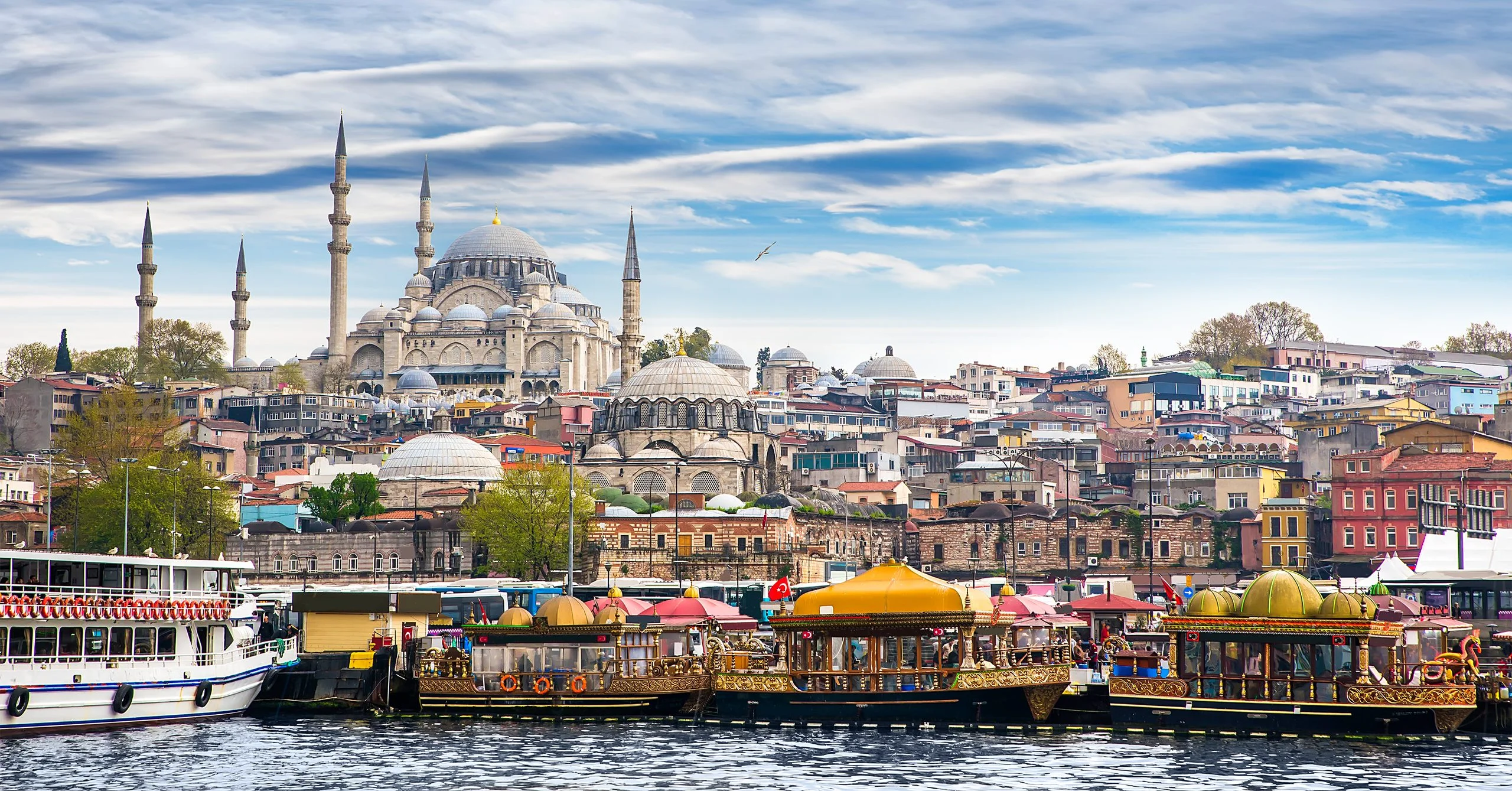
Challenge
This project evaluates the impact of climate change on Türkiye’s Aegean and Mediterranean coastlines, alongside specific lake and wetland ecosystems. By modeling sea-level rise, water budgets, and water quality, the study quantifies risks regarding land loss, cultural heritage degradation, and human displacement. The ultimate objective is to develop actionable climate adaptation strategies and identify Nature-based Solutions (NbS) to enhance the resilience of these vulnerable environments.
Approach
The project is designed to assess climate change impacts on Türkiye’s lakes, wetlands, and coastal ecosystems to mitigate risks such as land loss, habitat degradation, and potential human displacement. Its approach combines technical modeling of sea-level rise and water budgets with detailed risk analyses to develop evidence-based adaptation strategies. The project’s main goals are to define effective climate adaptation measures and identify nature-based solutions for vulnerable areas. Key activities include modeling sea-level changes for the Aegean and Mediterranean coasts, projecting water quality for critical wetlands, and establishing assessment indicators to guide long-term environmental protection and economic resilience.
Goal and Results
- Evaluate the impacts of climate change on Türkiye’s lakes, wetlands, coastal areas, and rivers and to develop adaptation strategies and nature-based solutions for these critical ecosystems
- Development of models to assess sea-level rise and climate change impacts by 2100 for Türkiye’s Aegean and Mediterranean coasts.
- Construction of models in three pilot lakes, wetlands, or coastal areas.
- Creation of adaptation strategies and nature-based solutions for these ecosystems.
- Organization of workshops, training sessions, and awareness-raising activities to disseminate findings.
- Enhanced understanding of climate change impacts on critical ecosystems such as lakes, wetlands, and coastal areas.
- Adoption of adaptation strategies and nature-based solutions to address climate risks.
- Strengthened capacity of stakeholders to manage climate impacts effectively.
- Improved resilience of water resources and related ecosystems against the effects of climate change.