Assessment of Energy Transition Minerals, Social Exclusion, and Fragility
Building a framework for more inclusive critical mineral development
Challenge
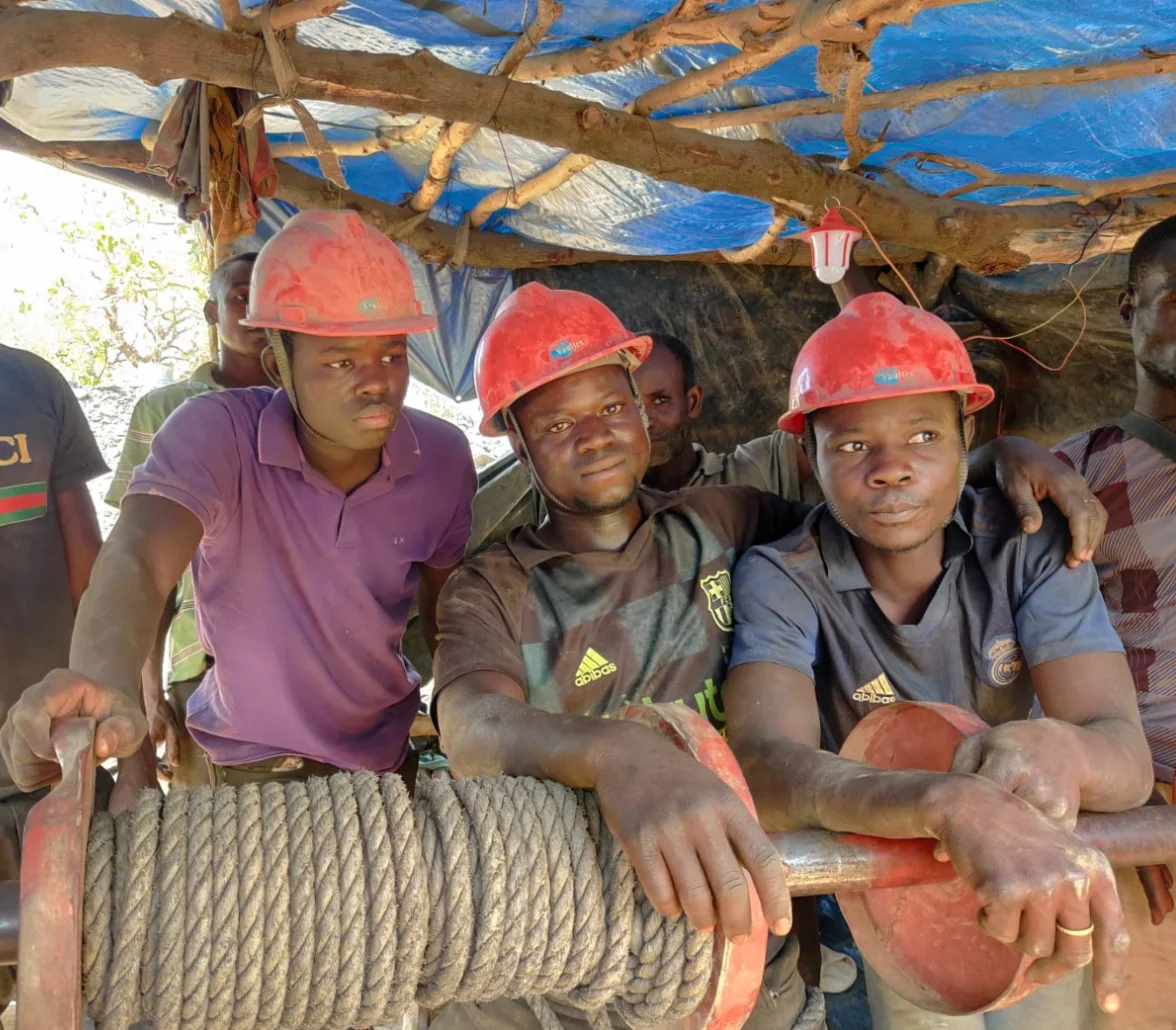
Global demand for energy transition minerals is creating unprecedented investment opportunities across Africa, but rapid sector growth also risks reinforcing existing patterns of inequality, fragility and conflict where governance systems are under pressure. The World Bank commissioned DT Global to identify how critical mineral development could better contribute to inclusive economic growth while reducing conflict risks.
Approach
DT Global analysed the complete energy transition mineral value chain — from exploration and extraction through
processing, trade and benefit-sharing — to identify where governance weaknesses and socio-economic exclusion create barriers to sustainable development. Combining political economy analysis, socio-economic profiling and conflict assessment, the study examined how mineral development interacts with institutional capacity, community dynamics and broader development trajectories across five countries.
Goals and Results
The resulting framework provided the World Bank with practical recommendations for strengthening governance, reducing conflict drivers and supporting more inclusive approaches to critical mineral development, helping ensure that investment contributes to both economic transformation and long-term social stability.