This guidance note is intended to help think through program decisions, a key part of adaptive management. It aims to support deeper thinking on what to Drop, Add, Keep, Improve (DAKI). Practical options are given to take forward each of these actions.
– 1 min
DAKI can be used at multiple points in the program/project cycle: deciding on new or existing projects, requests from government and stakeholders; comparing ideas; reviewing work plans; strategic approaches; and resourcing.
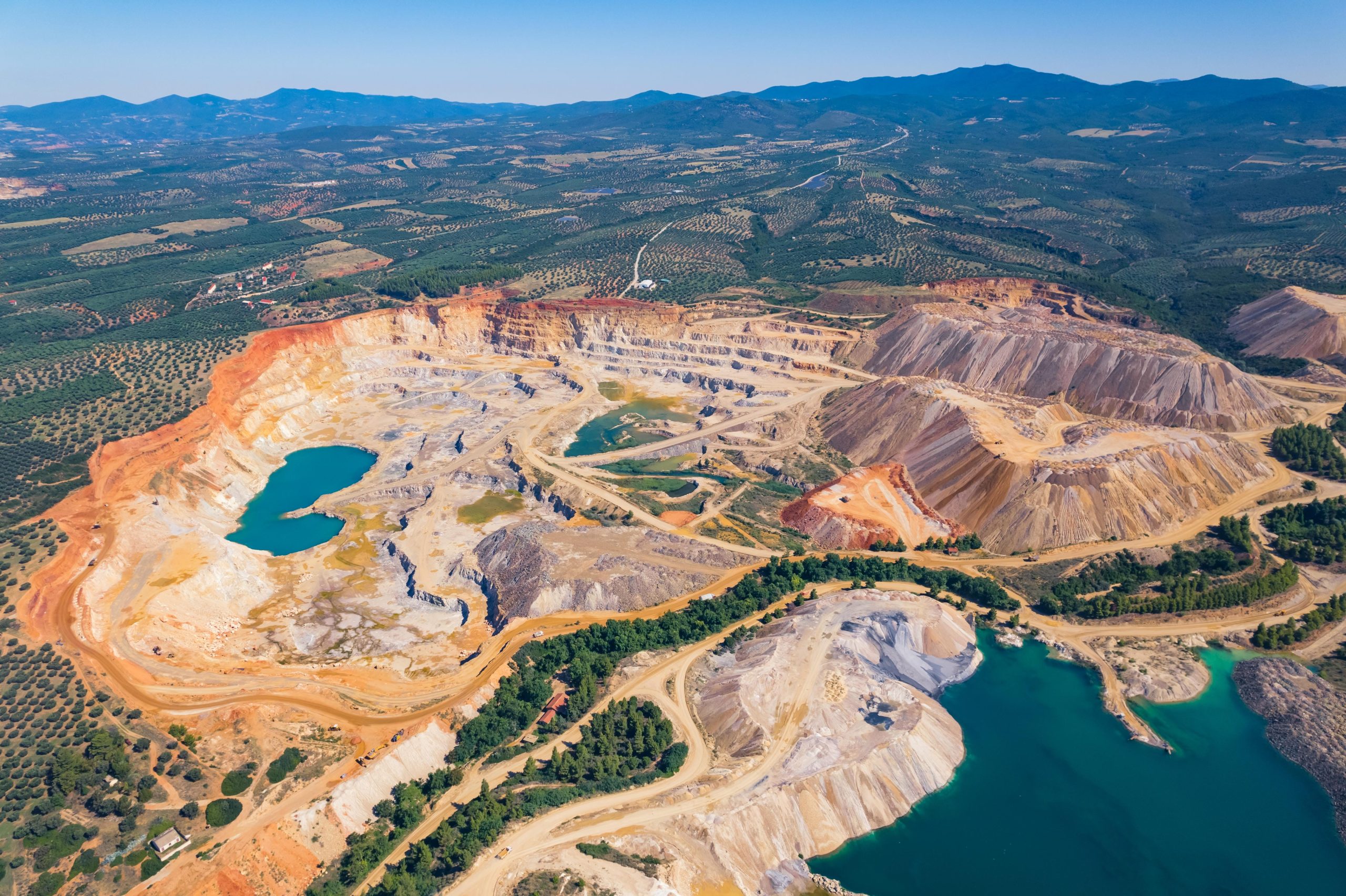
Responsible mining depends on more than the resource itself. This publication examines the governance, environmental, and social conditions that help projects attract investment, earn community trust, and deliver lasting value.
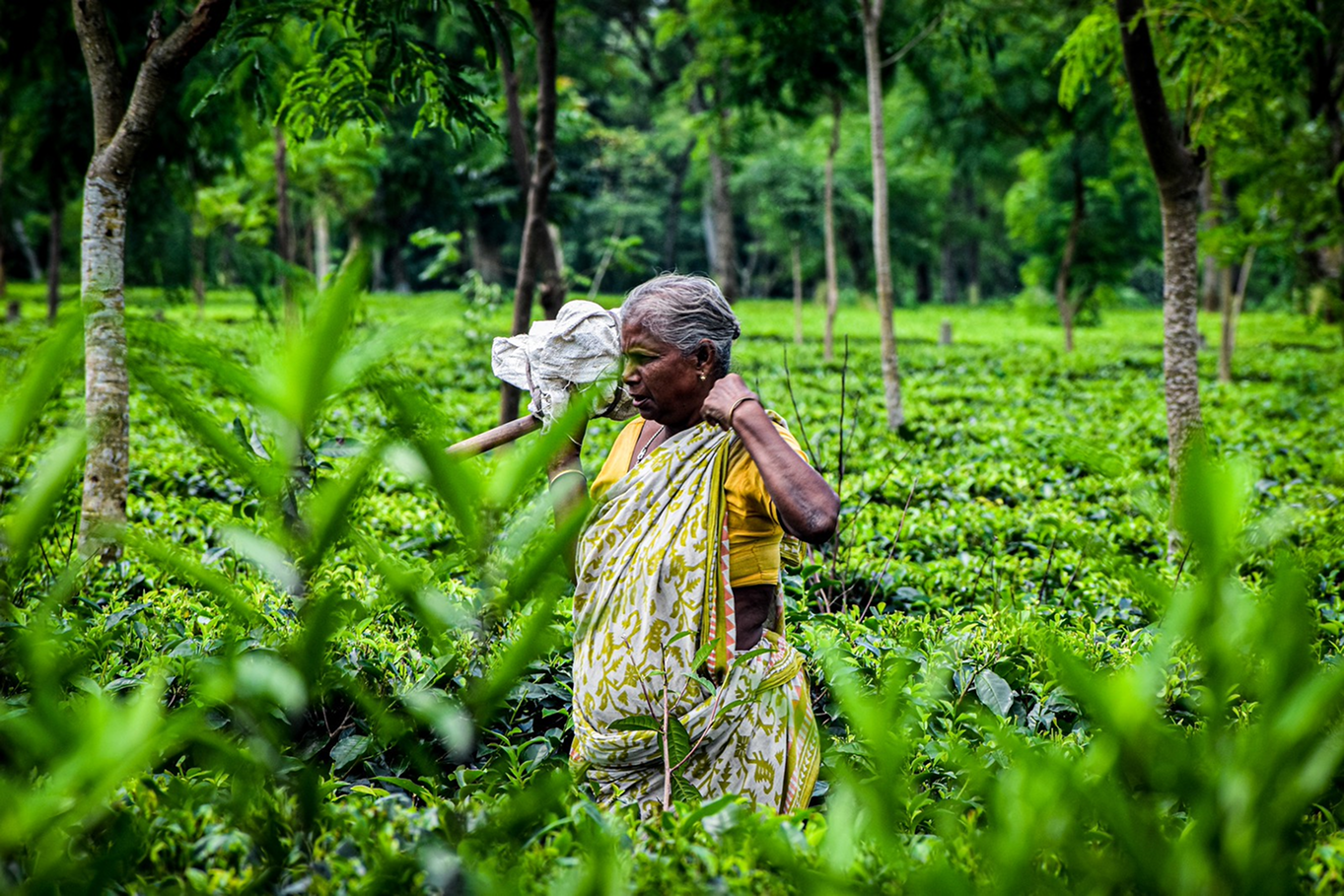
Stronger agricultural supply chains start with practical action in sourcing communities. Our approach combines sustainability strategy, local delivery, and measurement to support farmer livelihoods and improve environmental outcomes.
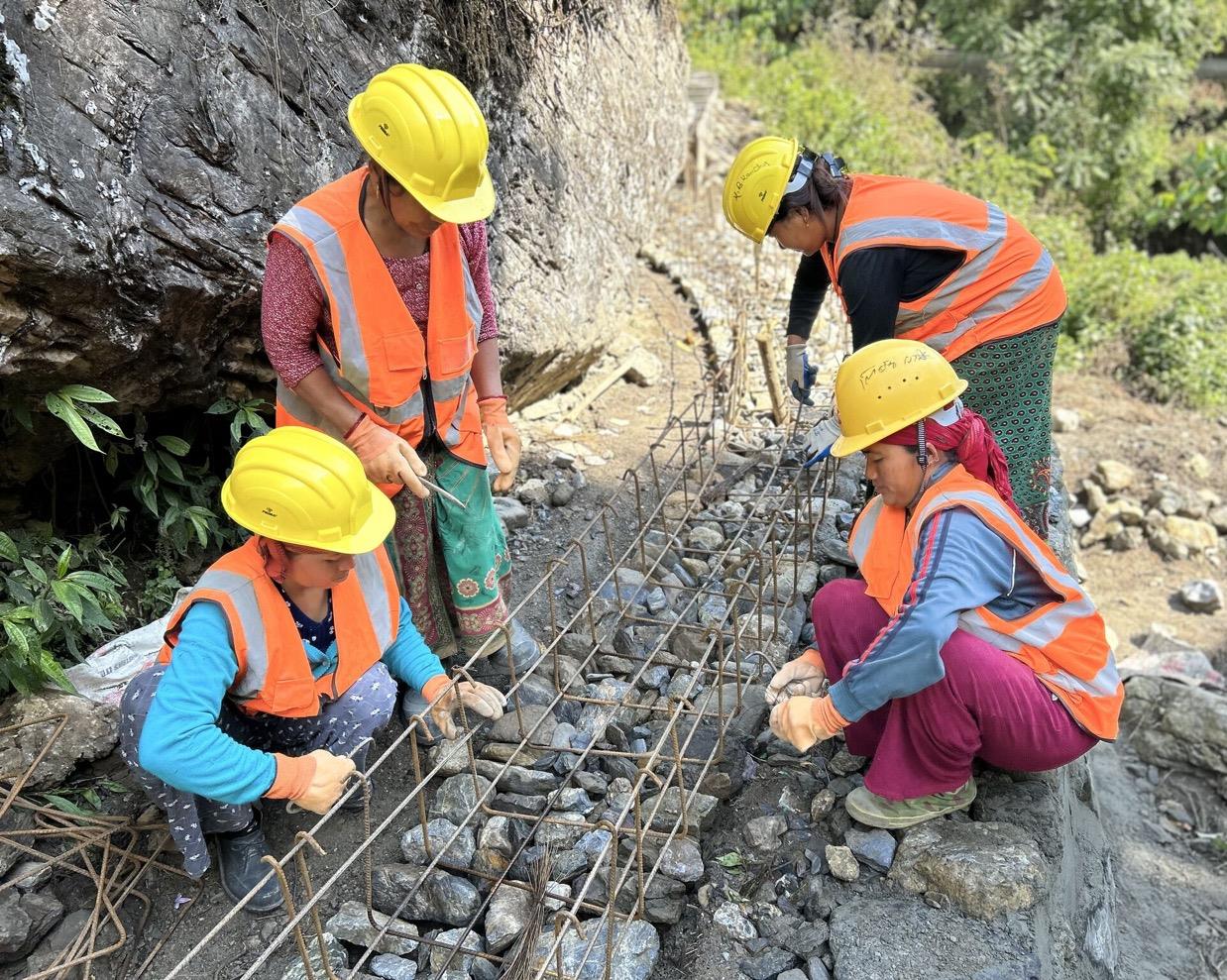
Discover how Nepal’s Local Infrastructure Support Programme (LISP) is helping local governments build infrastructure that is more inclusive, climate resilient, and sustainable by embedding GEDSI and resilience into every stage of the project cycle.
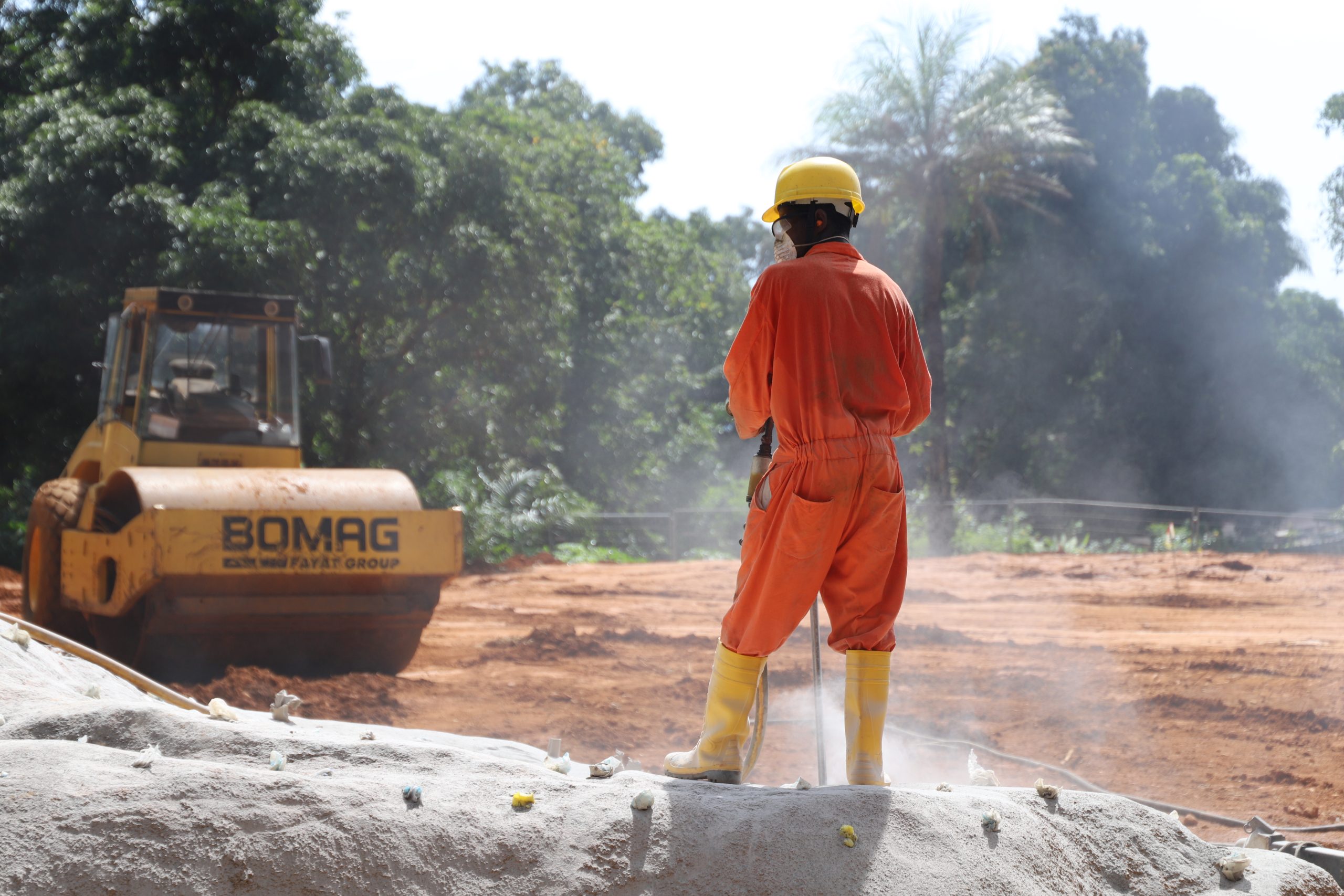
Over 90% of the water supply to Freetown, Sierra Leone is supplied from Guma Dam and Water Treatment Plant. This facility as well as supply to the city of Freetown is managed by the Guma Valley Water Company. It was estimated that 2 million litres of water were being lost every day. To help address this issue, DT Global worked on the Freetown Water Supply Rehabilitation project, which was funded by the Foreign, Commonwealth and Development Office (FCDO) and concluded last year.
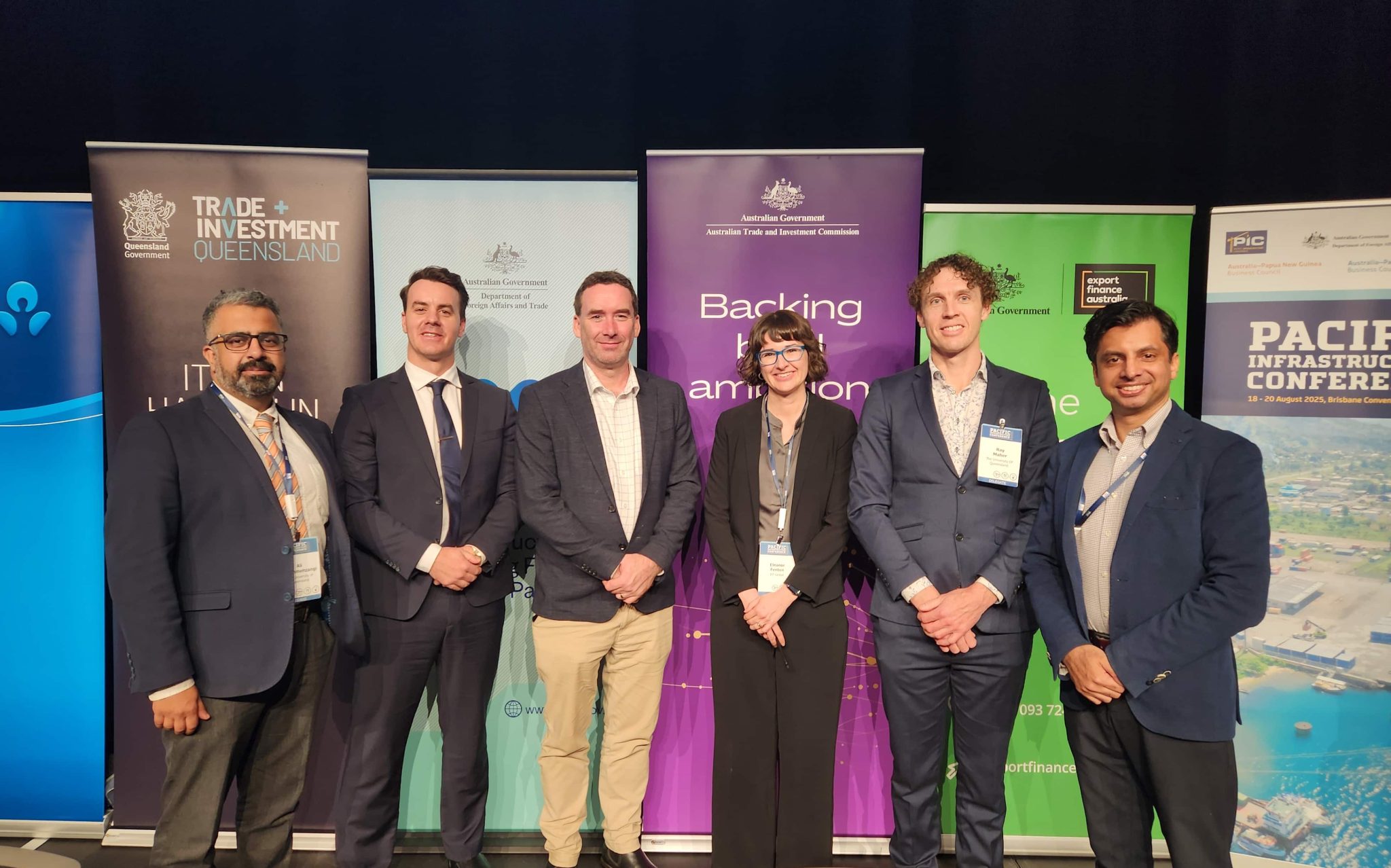
From safer roads to climate-resilient water systems, infrastructure sets the foundation for economic growth and social well-being. Few understand this better than Eleanor Fenton, Principal and Lead of DT Global’s Infrastructure Management Unit (IMU). In this Q&A, Eleanor shares her journey into infrastructure development and explains how DT Global is improving lives through resilient, sustainable infrastructure.
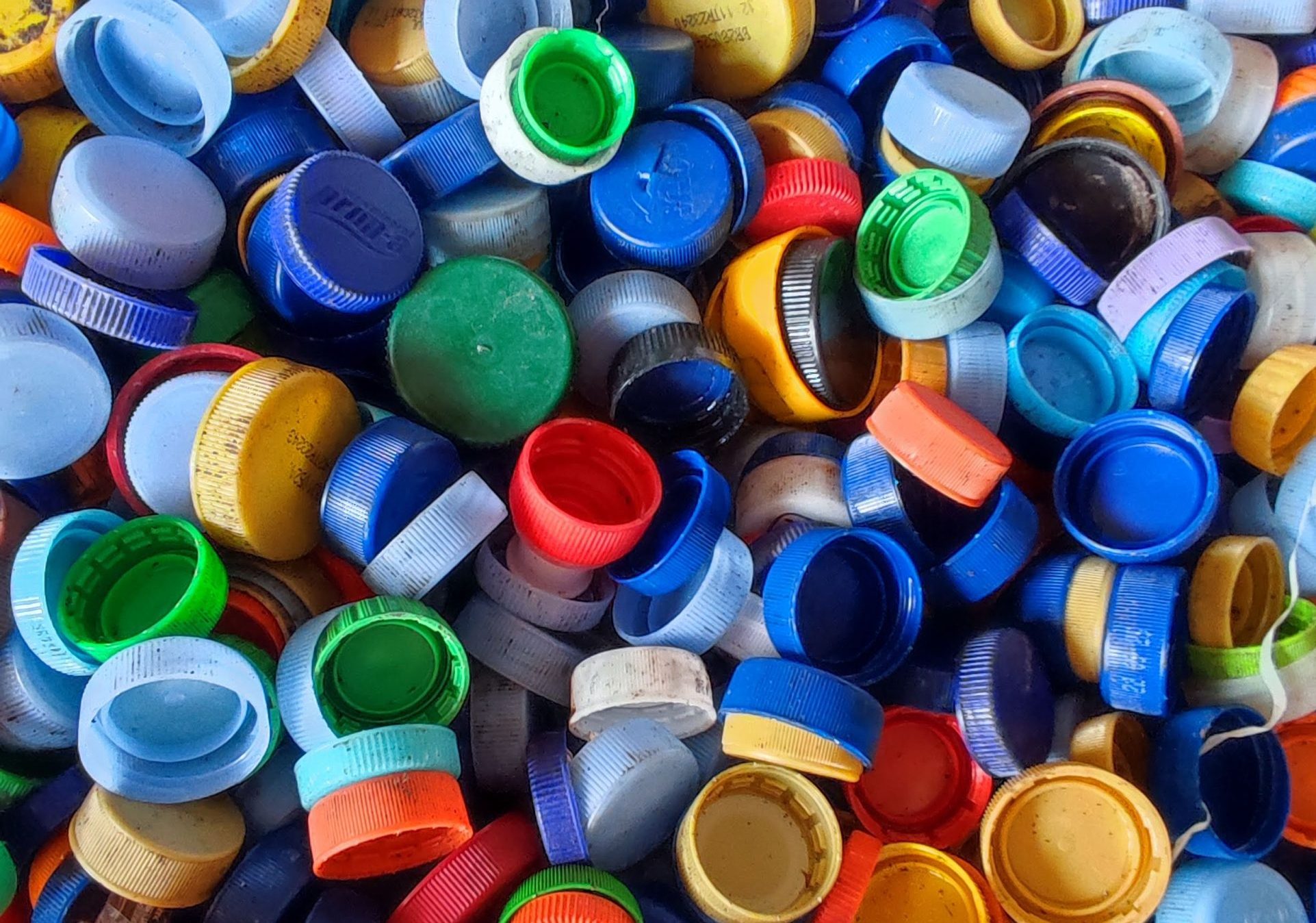
Across low- and middle-income countries (LMICs), the circular economy holds enormous promise for supporting countries to achieve the Sustainable Development Goals. Rethinking how products are designed, used, reused, and recycled can help reduce waste, lower emissions, and address biodiversity loss — all while generating local jobs and supporting a more resilient, sustainable, and inclusive growth model.
Southeast Asia has witnessed explosive growth in online scamming operations, and the deceptive and coercive recruitment and employment of workers into them, over the past 5 years. This pattern of trafficking in persons is closely tied into criminal networks within and beyond the region and has flourished in areas with weak governance and patchy rule of law.