DT Global is excited to launch the Tracking Adaptative Management Initiative (TAMI), a real-time research project involving the tracking of adaptive management approaches being implemented in several large-scale DFAT programs in the Asia-Pacific region.
– 1 min
This practical guide introduces DT Global’s adaptive management framework, built around flexibility, responsiveness, purposive learning, and an empowering culture. It helps program teams assess when to use adaptive approaches and apply them through practical tools and examples.
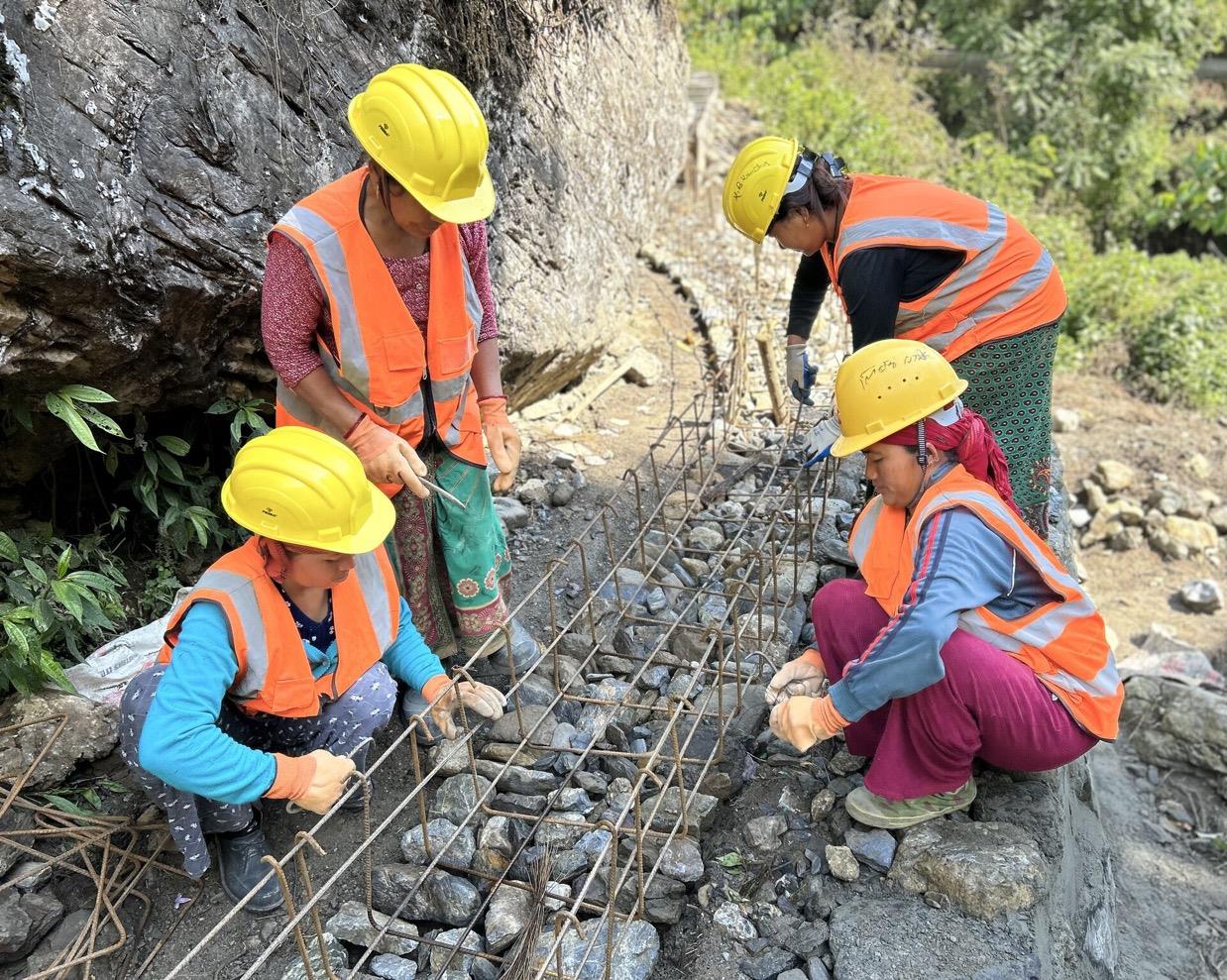
Discover how Nepal’s Local Infrastructure Support Programme (LISP) is helping local governments build infrastructure that is more inclusive, climate resilient, and sustainable by embedding GEDSI and resilience into every stage of the project cycle.
Food and beverage companies increasingly recognize that sustainable sourcing strategies—which focus on the “first mile” of an ingredient supply chain—are a critical lever for driving positive environmental and social impacts in global food systems.
Drawing on DT Global’s experience in Myanmar, this case study explores how adaptive management helps development programs navigate uncertainty, offering practical lessons on flexibility, learning, and leadership in fragile contexts.
DT Global recently joined leaders from the Australian Government and the international development, research, and technology sectors as a Gold Sponsor of Situation 2026.
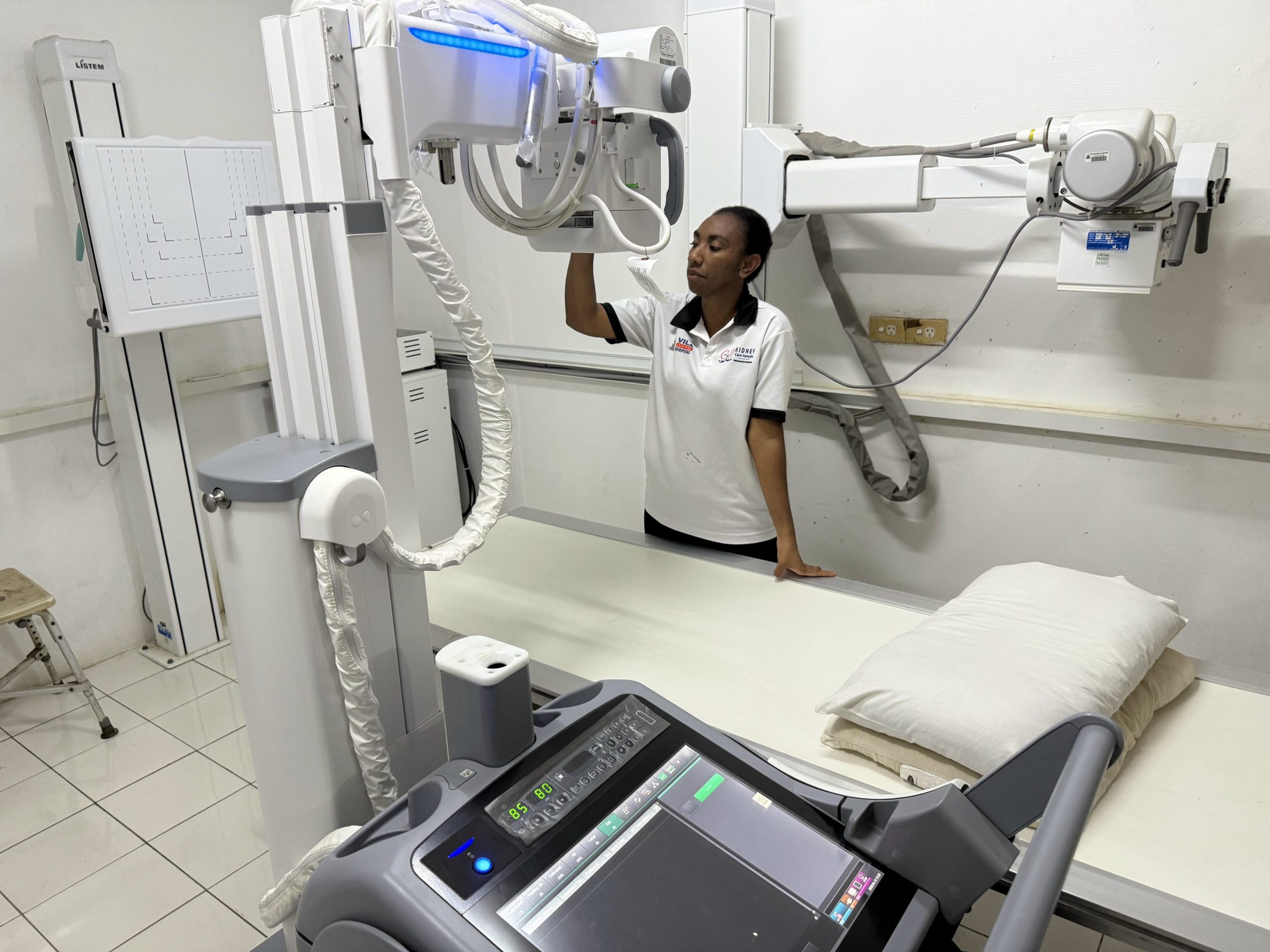
A new QR code system designed to streamline biomedical repair requests across Vanuatu’s health system has been rolled out at Ministry of Health (MoH) hospitals.
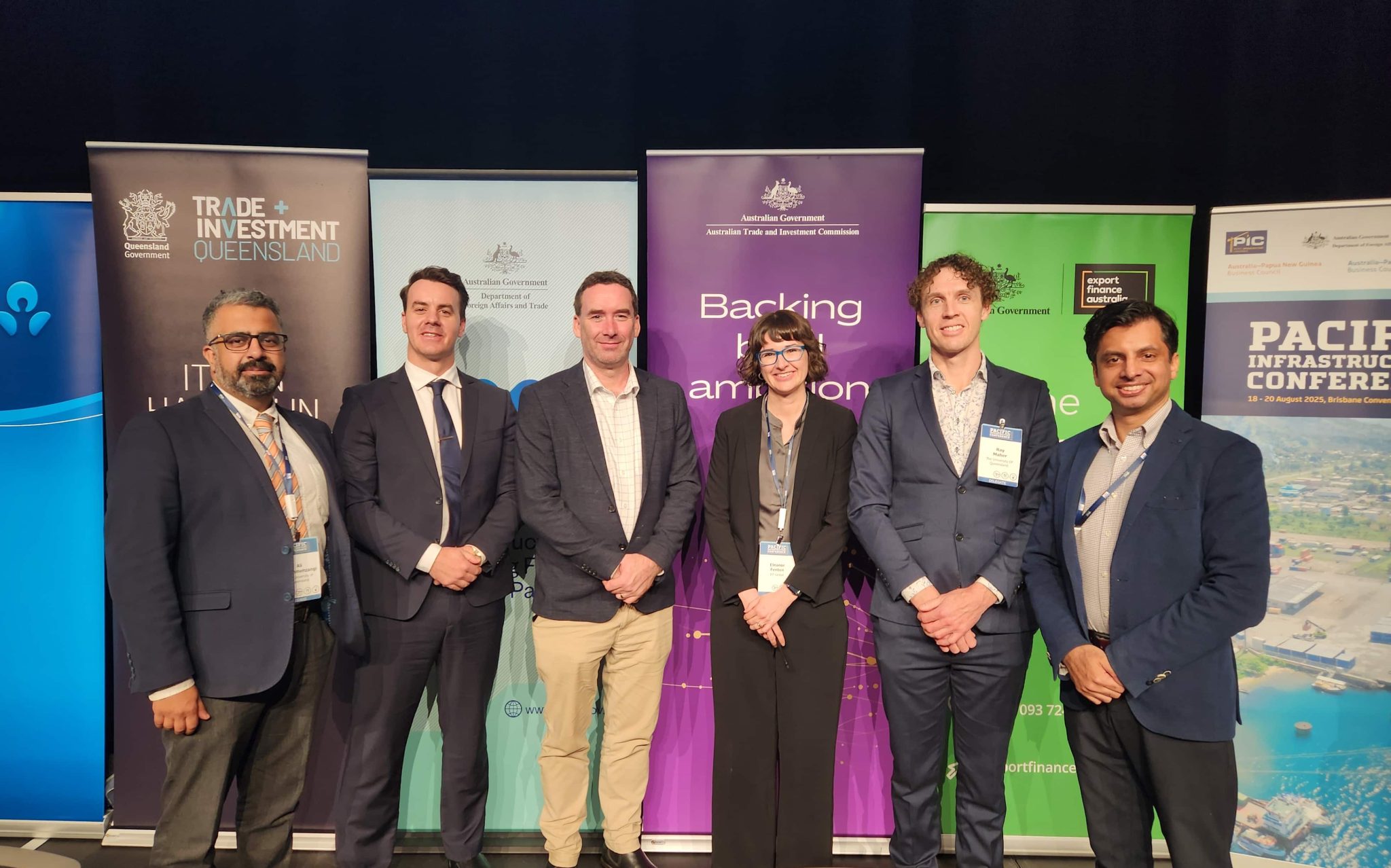
From safer roads to climate-resilient water systems, infrastructure sets the foundation for economic growth and social well-being. Few understand this better than Eleanor Fenton, Principal and Lead of DT Global’s Infrastructure Management Unit (IMU). In this Q&A, Eleanor shares her journey into infrastructure development and explains how DT Global is improving lives through resilient, sustainable infrastructure.
Southeast Asia has witnessed explosive growth in online scamming operations, and the deceptive and coercive recruitment and employment of workers into them, over the past 5 years. This pattern of trafficking in persons is closely tied into criminal networks within and beyond the region and has flourished in areas with weak governance and patchy rule of law.