Applying Adaptive Management in a Fragile Context – Case Study
Drawing on DT Global’s experience in Myanmar, this case study explores how adaptive management helps development programs navigate uncertainty, offering practical lessons on flexibility, learning, and leadership in fragile contexts.
– 1 min
This case study explores how a DT Global program in Myanmar applied adaptive management between 2017 and 2021, including its response to the COVID-19 pandemic and the February 2021 military coup. It examines four core elements—flexibility, responsiveness, purposive learning, and culture—and their role in navigating uncertainty and change.
Drawing on the program’s achievements and challenges, the publication offers practical lessons for donors and implementing partners working in fragile contexts. It highlights how local leadership, trust, flexible systems, and continuous learning can support adaptive programming, alongside recommendations for program design, delivery, and accountability.
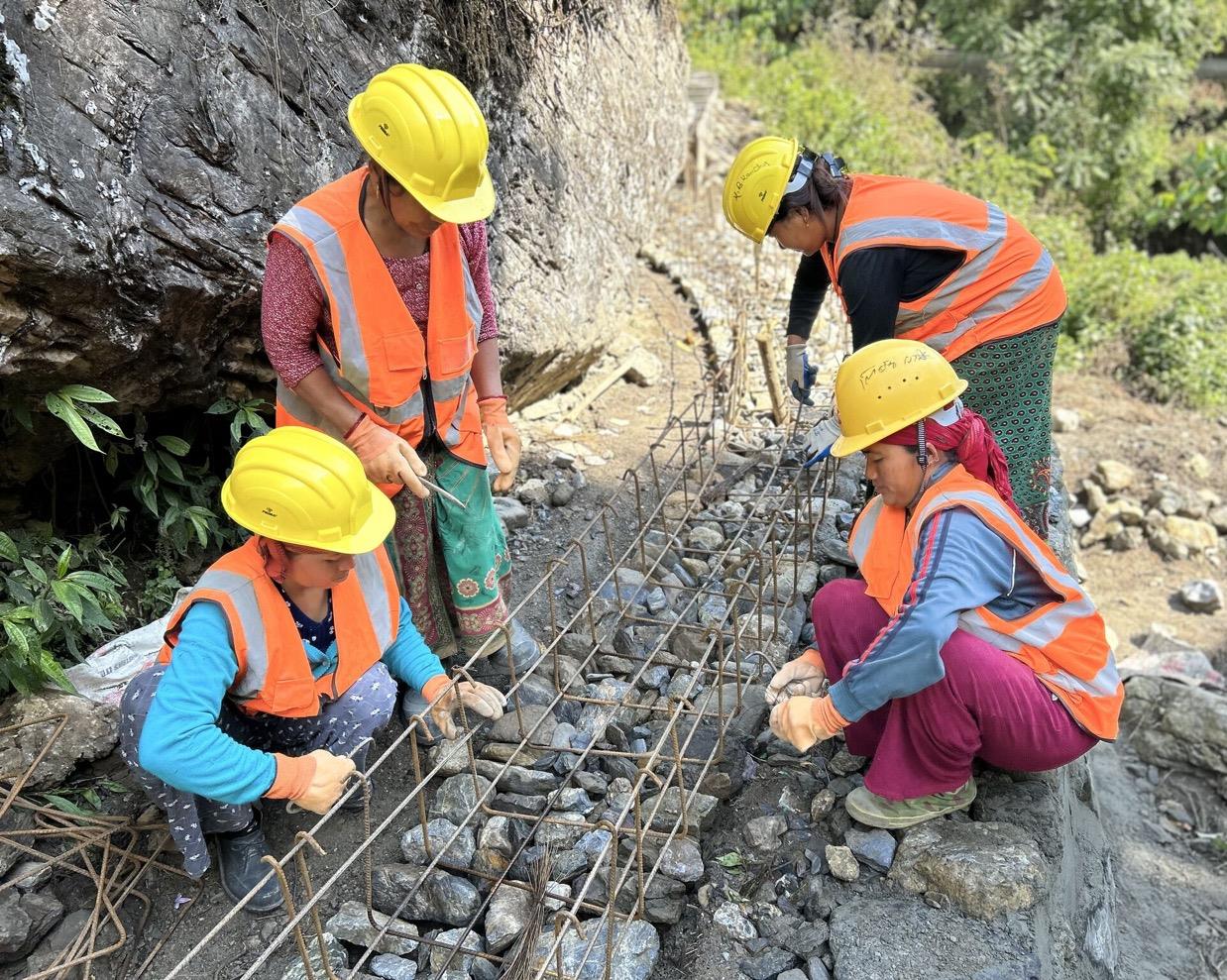
Discover how Nepal’s Local Infrastructure Support Programme (LISP) is helping local governments build infrastructure that is more inclusive, climate resilient, and sustainable by embedding GEDSI and resilience into every stage of the project cycle.
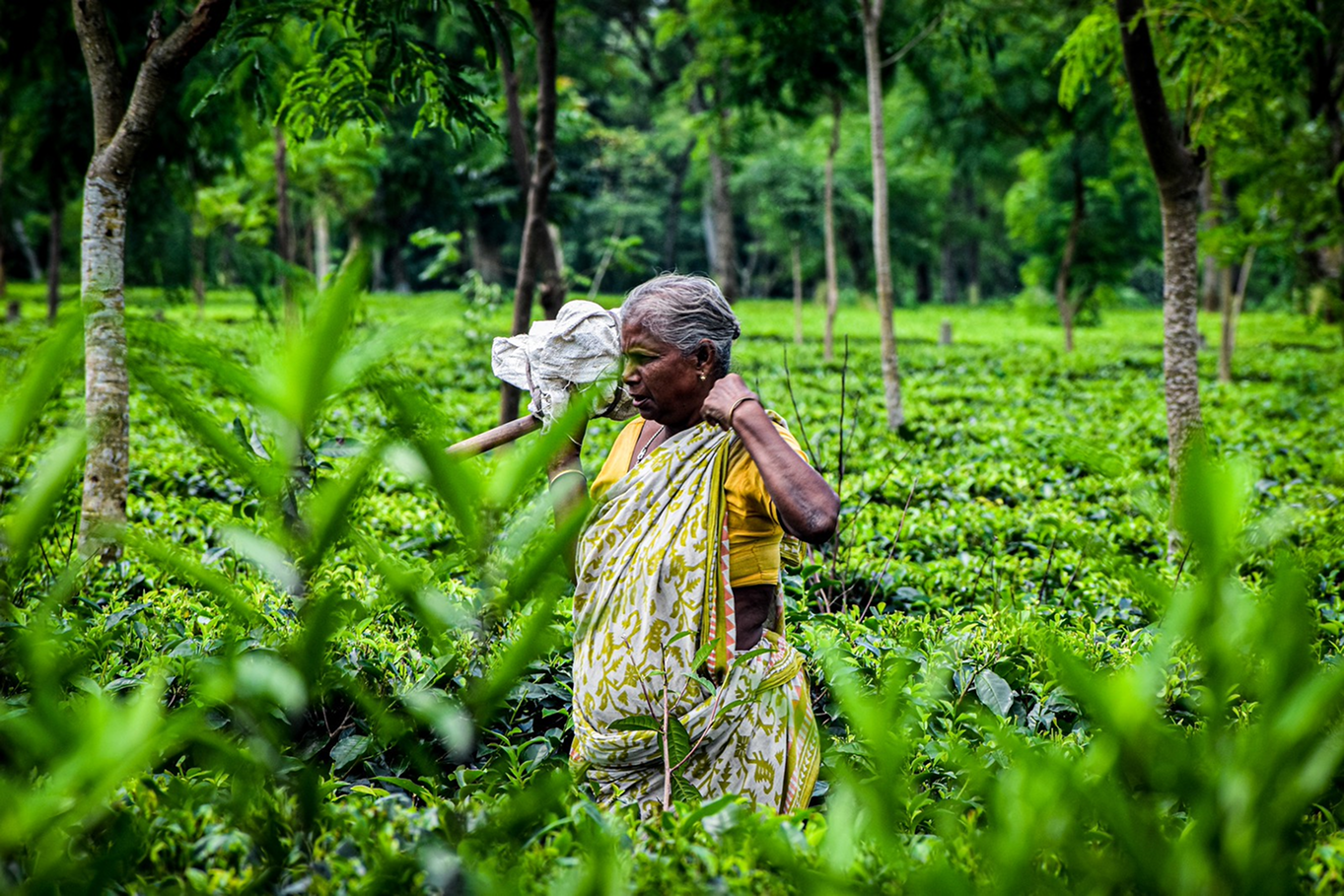
Stronger agricultural supply chains start with practical action in sourcing communities. Our approach combines sustainability strategy, local delivery, and measurement to support farmer livelihoods and improve environmental outcomes.
Responsible mining depends on more than the resource itself. This publication examines the governance, environmental, and social conditions that help projects attract investment, earn community trust, and deliver lasting value.
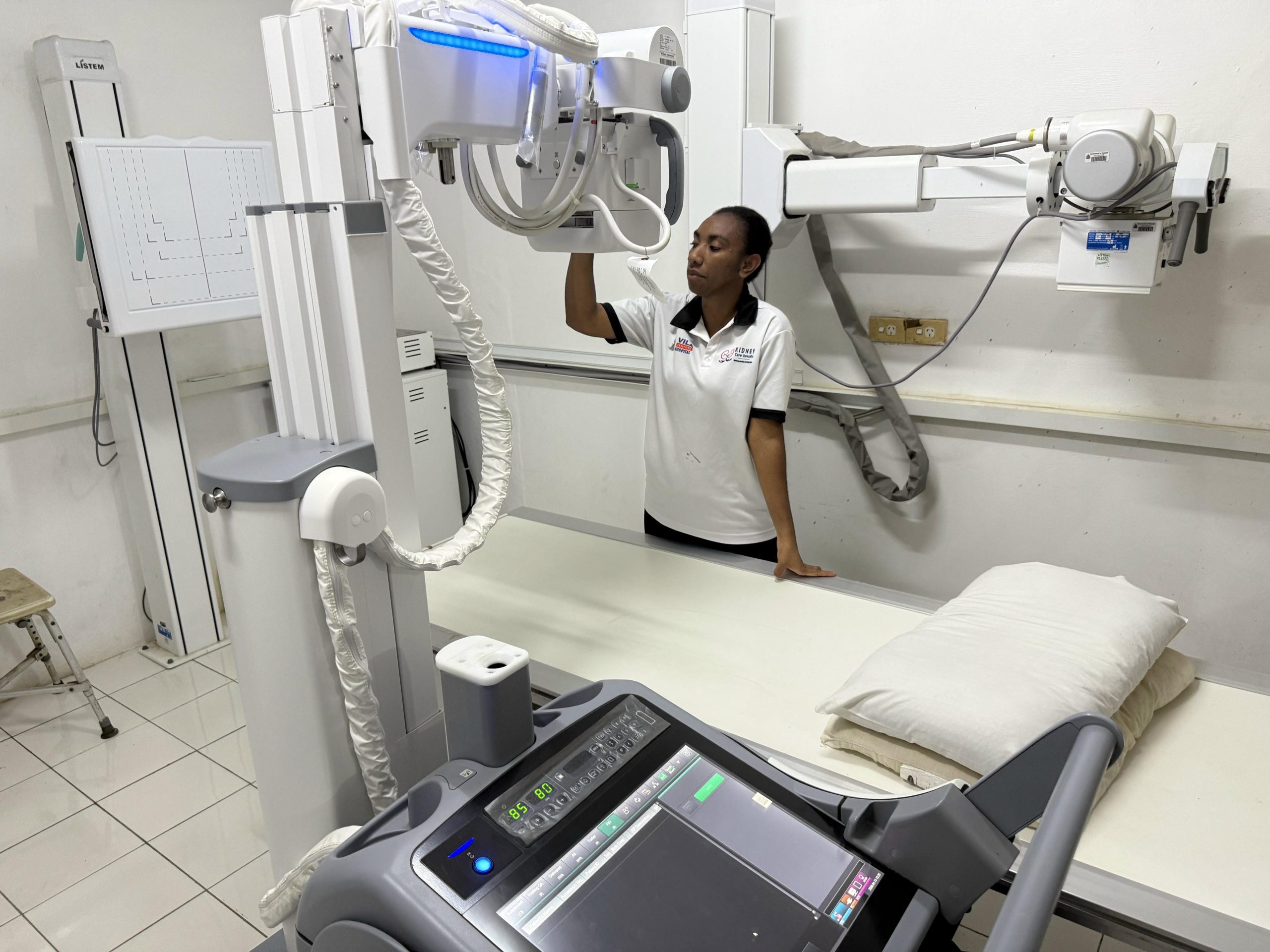
A new QR code system designed to streamline biomedical repair requests across Vanuatu’s health system has been rolled out at Ministry of Health (MoH) hospitals.
There is a reality today that has long been evident on the ground: without private actors, neither the Sustainable Development Goals nor durable solutions to the global debt crisis will be achievable. Deeper collaboration among governments, civil society, and — more than ever — the private sector is critical.
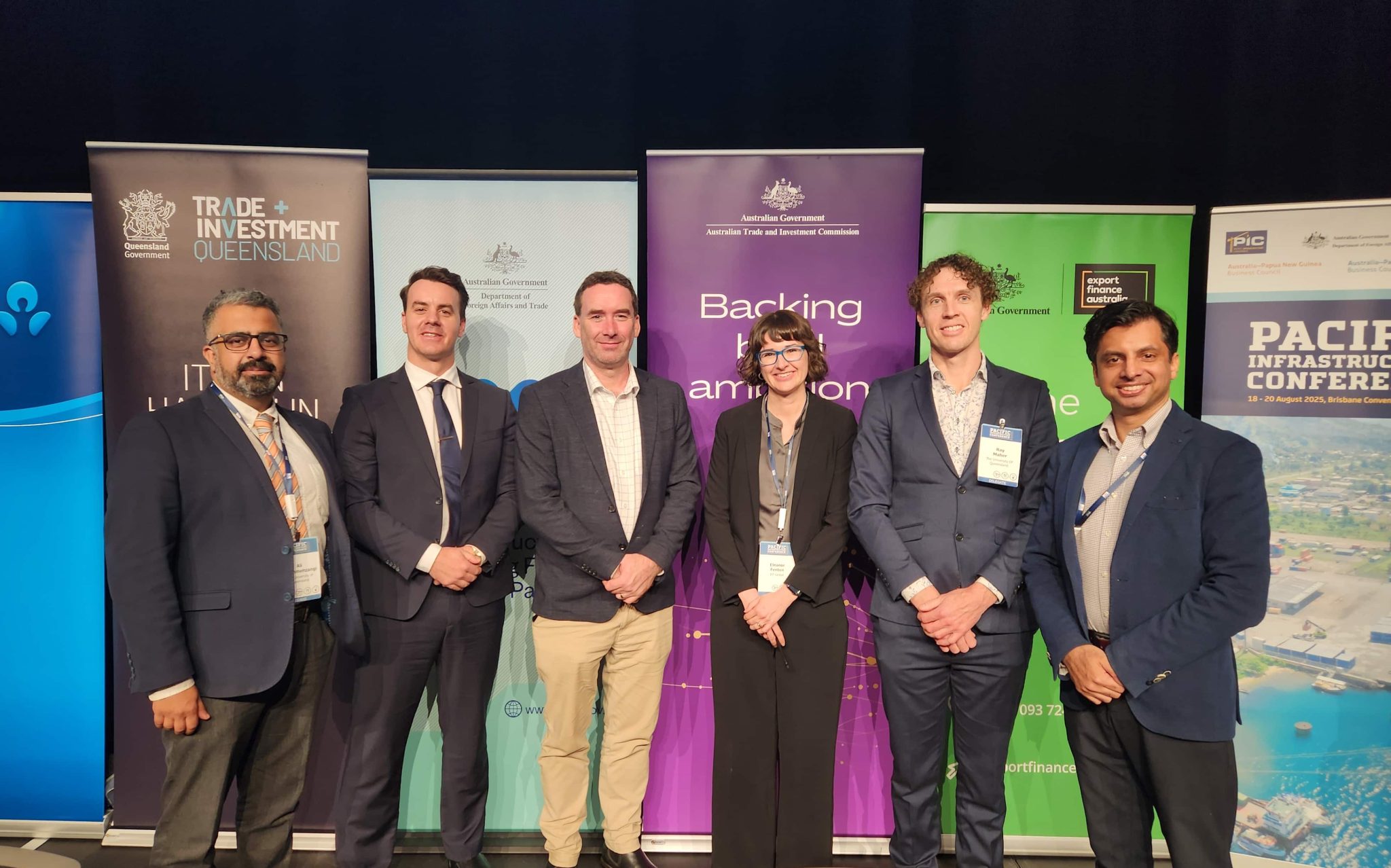
From safer roads to climate-resilient water systems, infrastructure sets the foundation for economic growth and social well-being. Few understand this better than Eleanor Fenton, Principal and Lead of DT Global’s Infrastructure Management Unit (IMU). In this Q&A, Eleanor shares her journey into infrastructure development and explains how DT Global is improving lives through resilient, sustainable infrastructure.
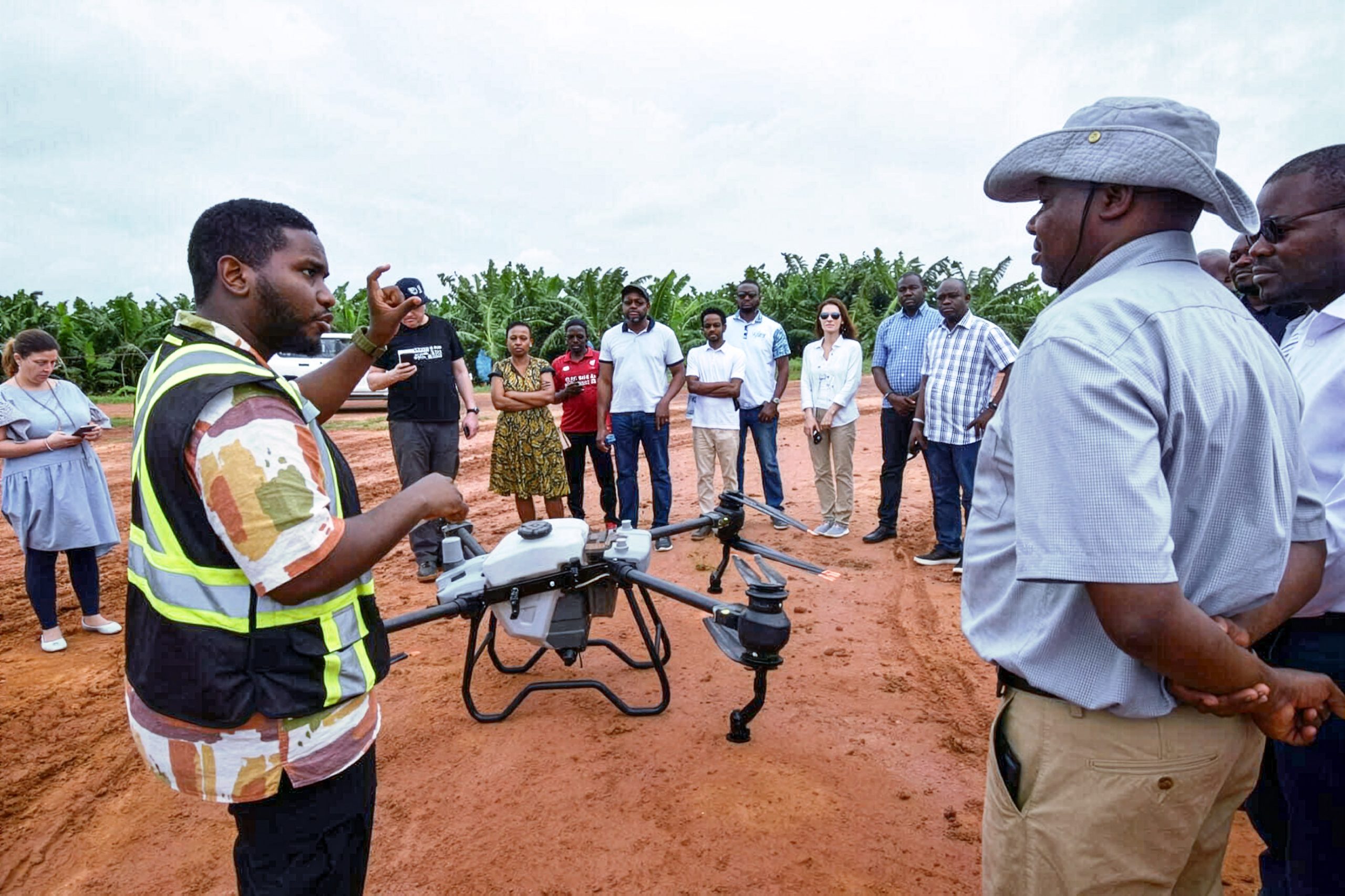
Drones can be a force for good. There are a multitude of drone use cases with the potential for positive social impact, whether monitoring reforestation efforts, spraying crops, surveying damage following a climate event, or delivering lifesaving medicines to remote clinics. Now, many countries are grappling with how to keep up with advances in technology and how they might realise the full benefits drones offer, including via enterprise and job creation, while also maintaining safety and security standards.