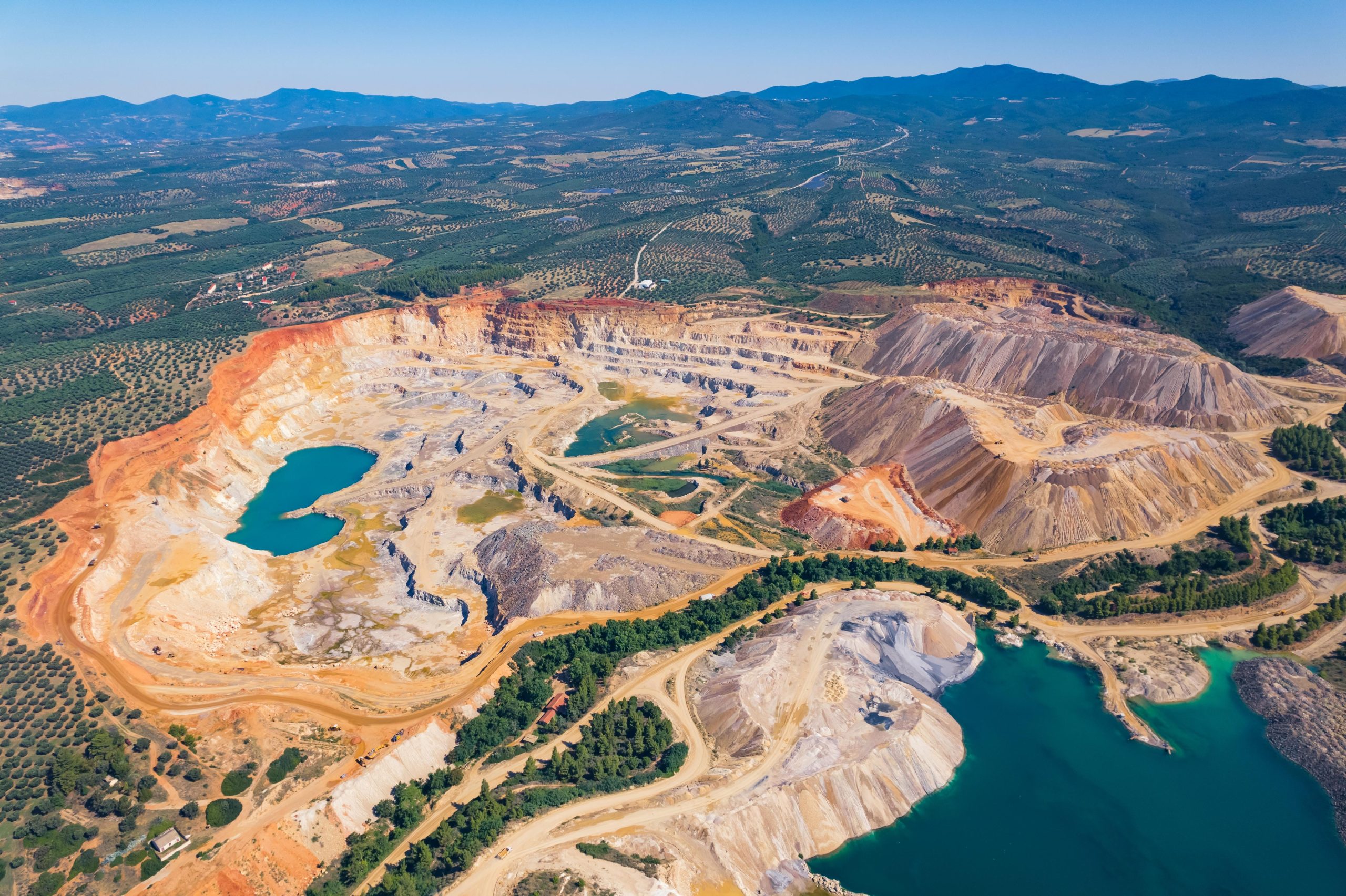
Responsible mining depends on more than the resource itself. This publication examines the governance, environmental, and social conditions that help projects attract investment, earn community trust, and deliver lasting value.
– 1 min
This publication presents DT Global’s approach to responsible mineral development, helping governments, investors, and companies turn mineral opportunities into viable, sustainable projects. It covers policy and investment support, environmental and social risk management, community engagement, and implementation. Case studies demonstrate how stronger governance, local capacity, and trusted partnerships help reduce risks and deliver lasting economic and social value.
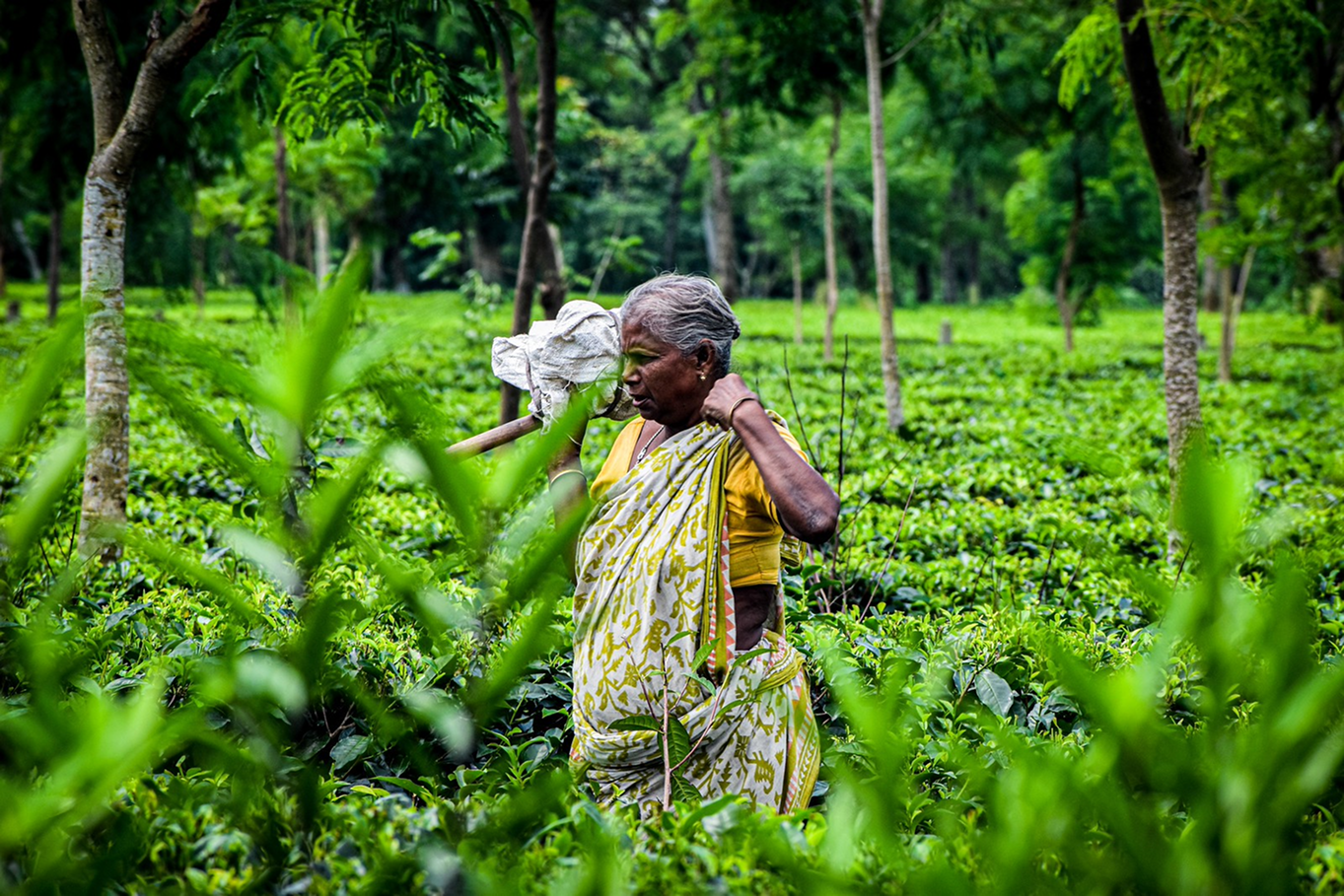
Food and beverage companies increasingly recognize that sustainable sourcing strategies—which focus on the “first mile” of an ingredient supply chain—are a critical lever for driving positive environmental and social impacts in global food systems.
Corporate leaders face a myriad of challenges as they strive to meet their sustainability goals. Government regulations and new policies are being enacted at home and abroad, forcing companies to adjust the way they produce, ship, and sell goods and services.
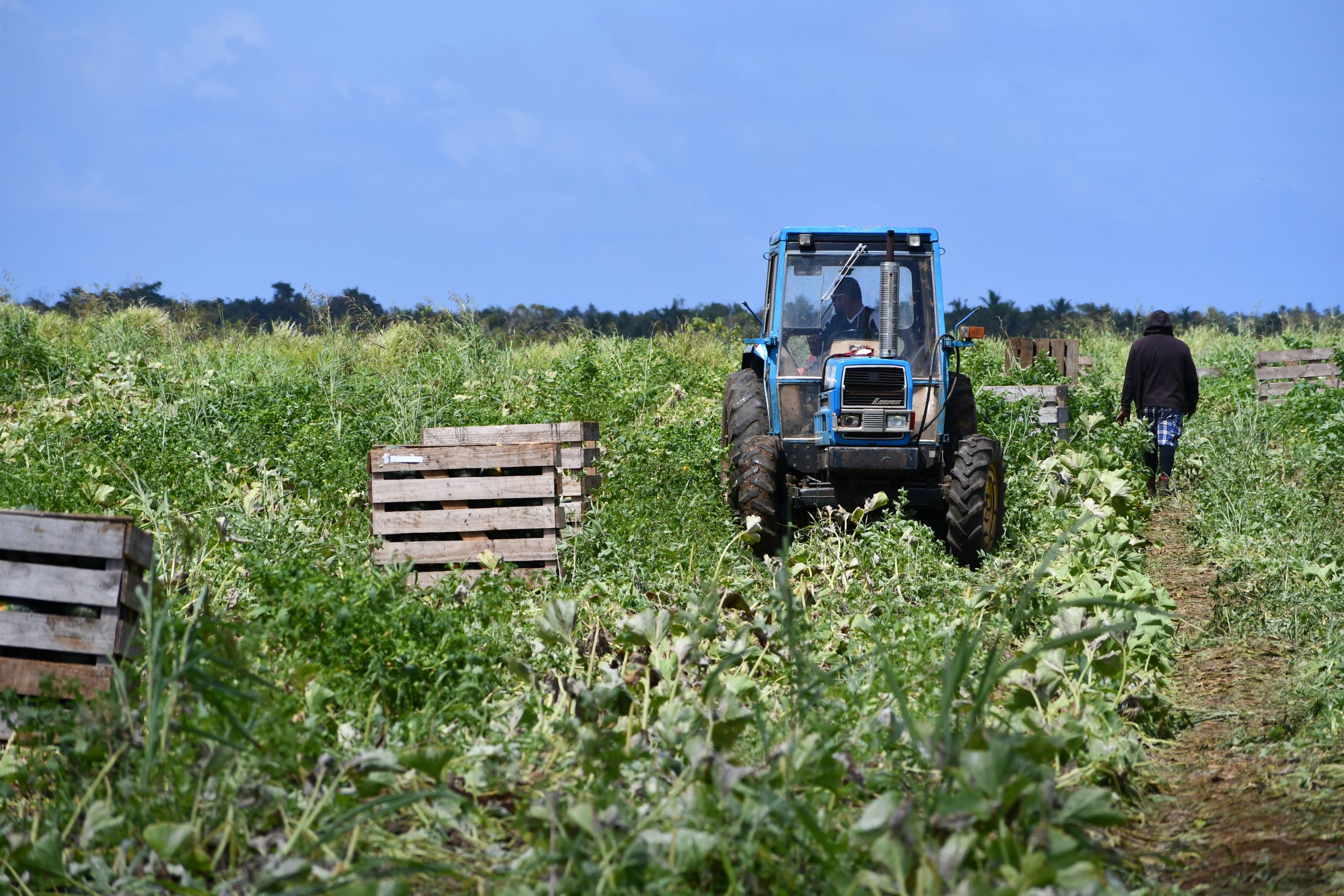
Stronger agricultural supply chains start with practical action in sourcing communities. Our approach combines sustainability strategy, local delivery, and measurement to support farmer livelihoods and improve environmental outcomes.
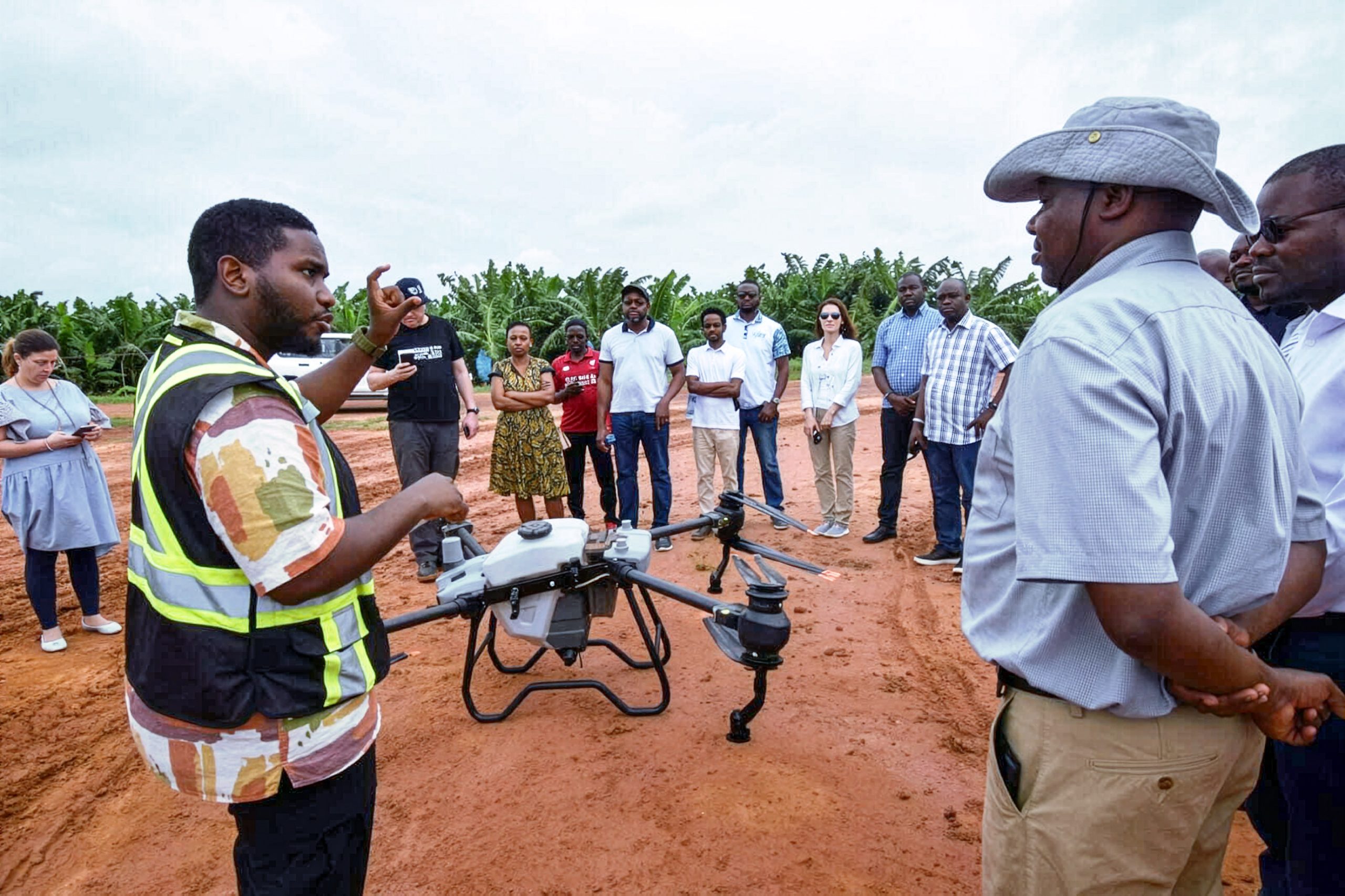
Drones can be a force for good. There are a multitude of drone use cases with the potential for positive social impact, whether monitoring reforestation efforts, spraying crops, surveying damage following a climate event, or delivering lifesaving medicines to remote clinics. Now, many countries are grappling with how to keep up with advances in technology and how they might realise the full benefits drones offer, including via enterprise and job creation, while also maintaining safety and security standards.
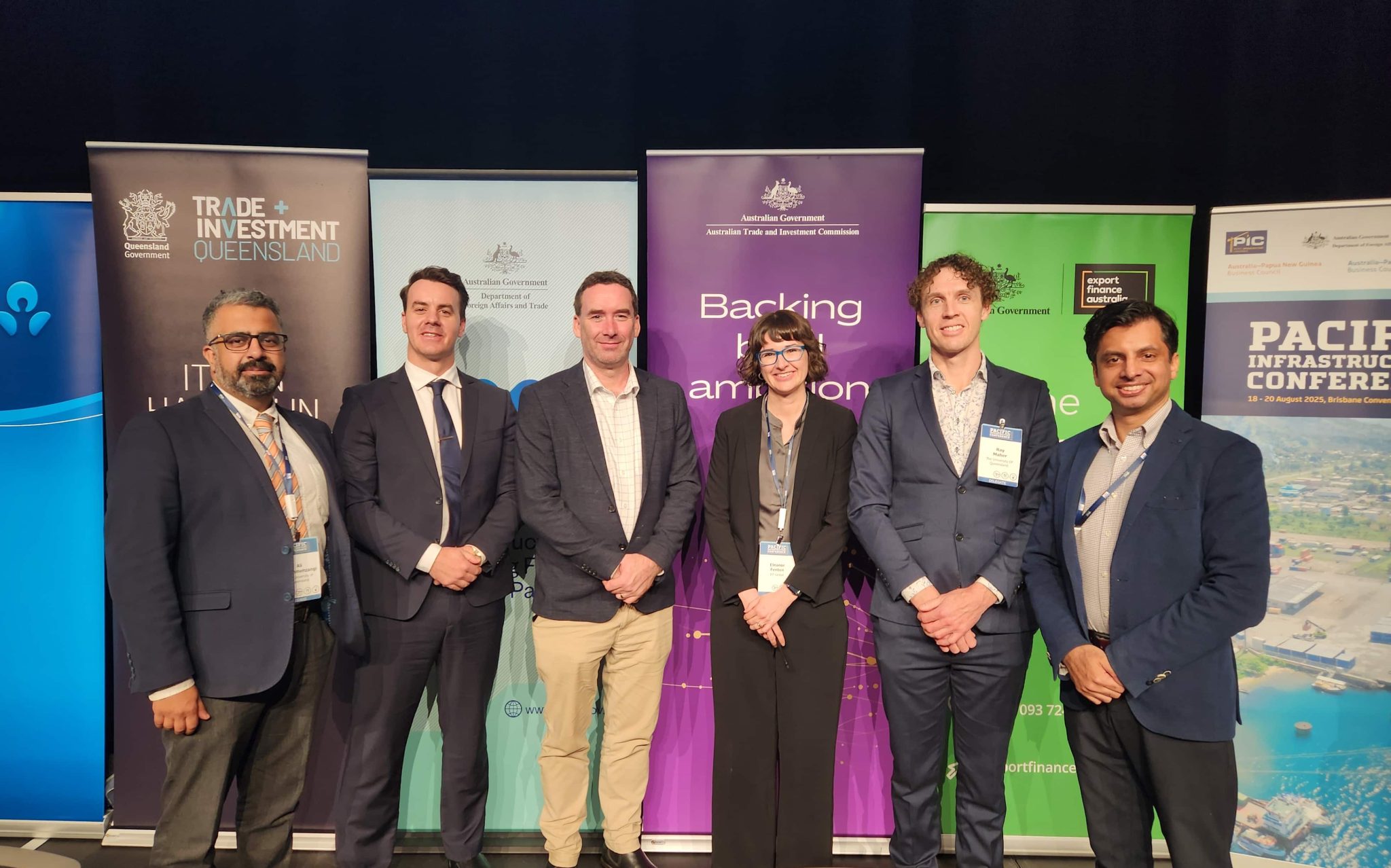
From safer roads to climate-resilient water systems, infrastructure sets the foundation for economic growth and social well-being. Few understand this better than Eleanor Fenton, Principal and Lead of DT Global’s Infrastructure Management Unit (IMU). In this Q&A, Eleanor shares her journey into infrastructure development and explains how DT Global is improving lives through resilient, sustainable infrastructure.
Climate change has far-reaching consequences, and one of its major impacts is the intensification of El Niño events, leading to prolonged and severe periods of drought in the Pacific. These climate-induced droughts not only diminish the availability of freshwater for consumption but also have detrimental effects on food production and agriculture. Pacific Island Countries (PICs) like Tonga and Kiribati rely heavily on groundwater and rainfall as their primary sources of freshwater, exacerbating the myriad of challenges faced daily.
In 2023, Artificial Intelligence (AI) made its big splash. Its emergence has yielded systemic changes across sectors, and the international development industry is no exception. In particular, the water, sanitation, and hygiene (WASH) sector is witnessing how AI could transform traditional approaches to everything from quality testing to monitoring usage rates.