Guidance Note: Practical Introduction to Adaptive Management
Explore DT Global’s practical guide to adaptive management, offering insights into its framework, when and how to apply it, and key steps for integrating adaptive management principles into program delivery.
– 1 min
This note aims to support DT Global staff and partners to: understand DT Global’s adaptive management framework; assess if and what level of adaptive management is required for a program; the difference between adaptive management and good program management; and initial steps to apply adaptive management principles and practice.
Responsible mining depends on more than the resource itself. This publication examines the governance, environmental, and social conditions that help projects attract investment, earn community trust, and deliver lasting value.
This guidance note is intended to help think through program decisions, a key part of adaptive management. It aims to support deeper thinking on what to Drop, Add, Keep, Improve (DAKI). Practical options are given to take forward each of these actions.
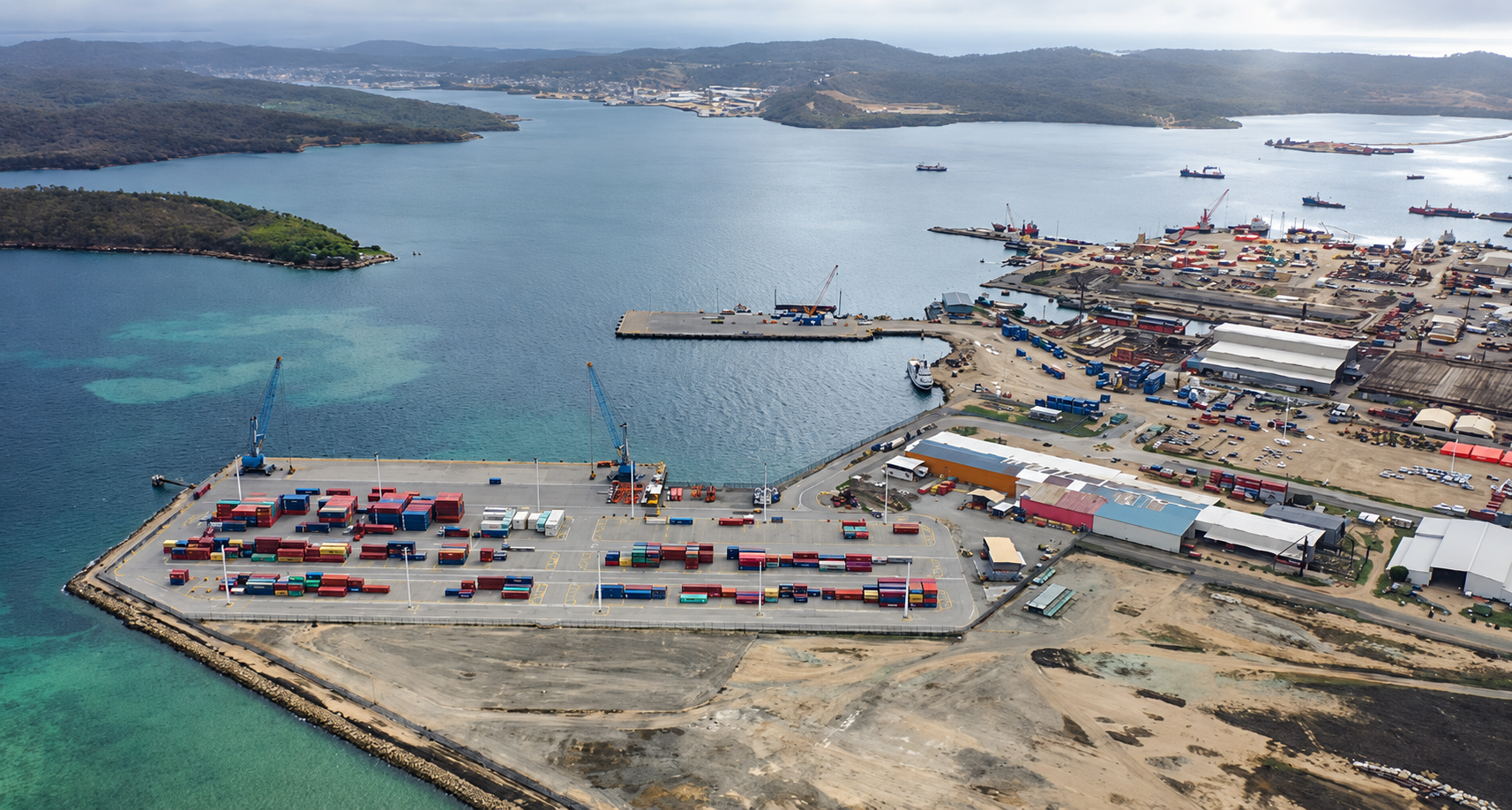
From investment preparation to sustainable operations, DT Global supports infrastructure across the Indo-Pacific. Regional case studies highlight how technical expertise and local partnerships help deliver essential assets and strengthen the institutions managing them.
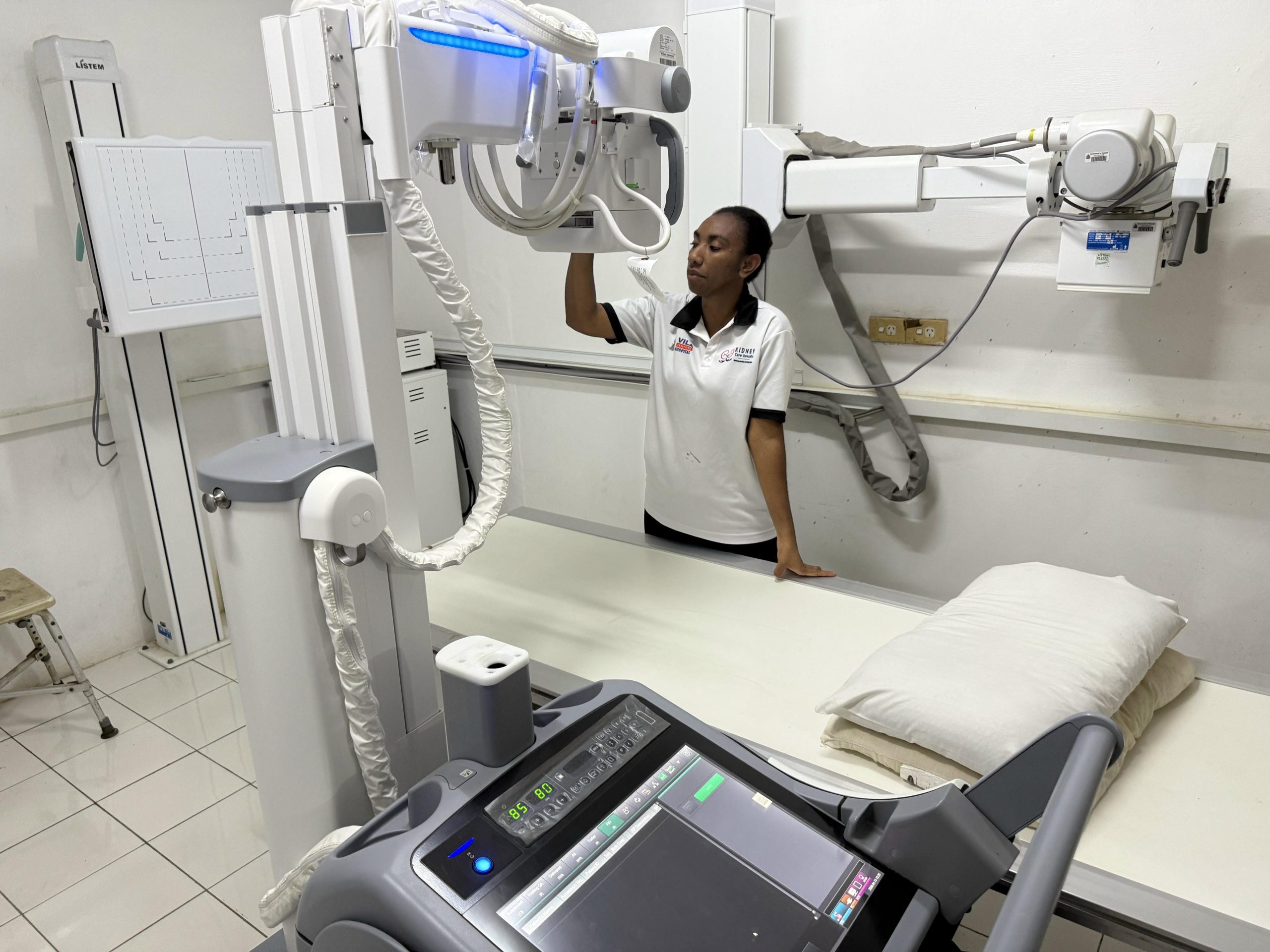
A new QR code system designed to streamline biomedical repair requests across Vanuatu’s health system has been rolled out at Ministry of Health (MoH) hospitals.
Justice in Guinea remains elusive for many despite several recent landmark developments. Most prominently, in July of this year, less than two years into the trial of a former president and his top staff in the 2009 stadium massacre that left more than 150 Guineans dead and dozens more raped and beaten, the former leader was sentenced to 20 years in prison. Broadcast to the country, the conviction was viewed by many as a major step toward judicial independence and accountability at the highest level of Guinea’s political class.
In 2023, Artificial Intelligence (AI) made its big splash. Its emergence has yielded systemic changes across sectors, and the international development industry is no exception. In particular, the water, sanitation, and hygiene (WASH) sector is witnessing how AI could transform traditional approaches to everything from quality testing to monitoring usage rates.
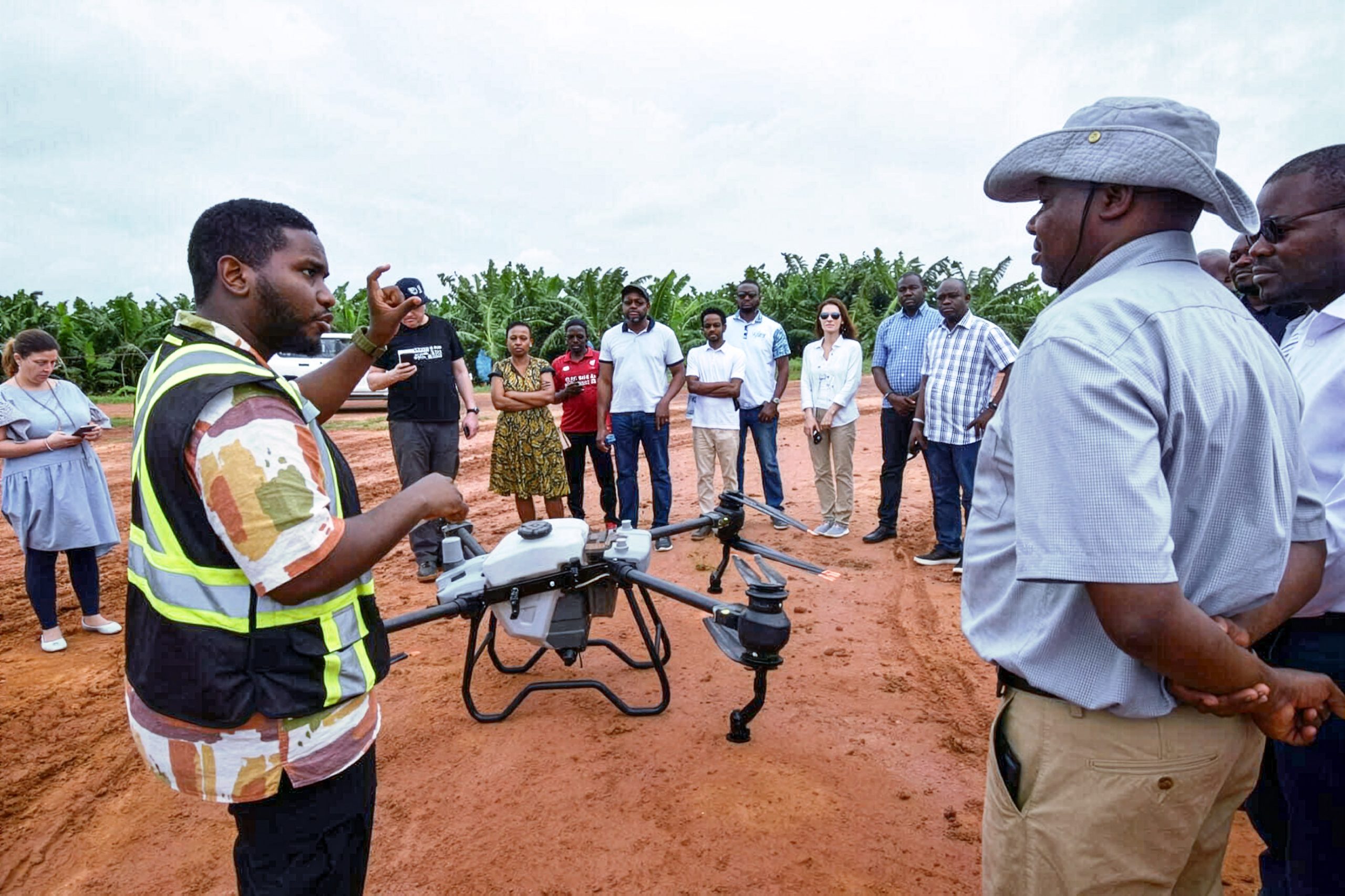
Drones can be a force for good. There are a multitude of drone use cases with the potential for positive social impact, whether monitoring reforestation efforts, spraying crops, surveying damage following a climate event, or delivering lifesaving medicines to remote clinics. Now, many countries are grappling with how to keep up with advances in technology and how they might realise the full benefits drones offer, including via enterprise and job creation, while also maintaining safety and security standards.