Infrastructure Delivery in the Indo-Pacific Region
From investment preparation to sustainable operations, DT Global supports infrastructure across the Indo-Pacific. Regional case studies highlight how technical expertise and local partnerships help deliver essential assets and strengthen the institutions managing them.
– 1 min
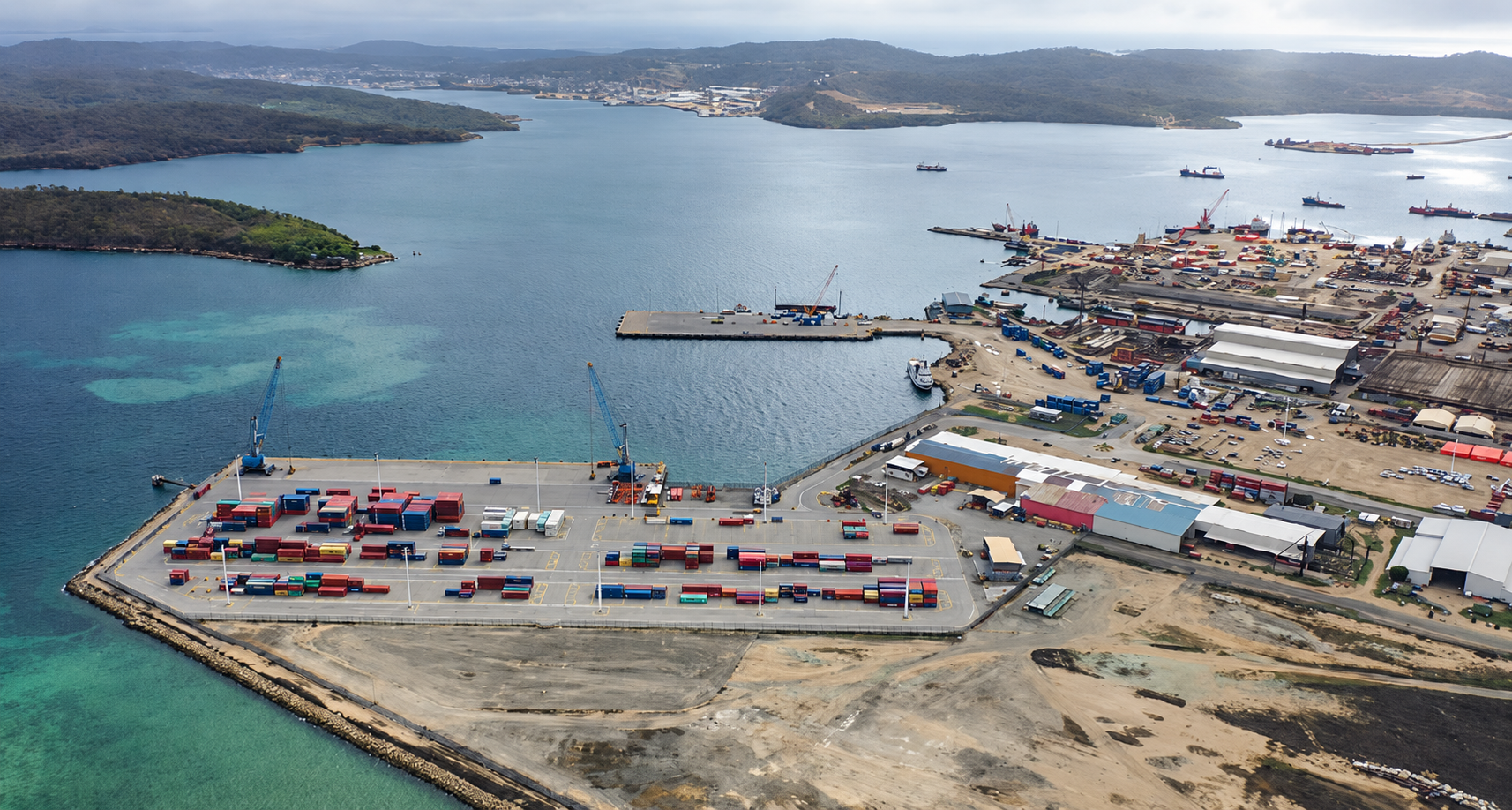
This publication showcases DT Global’s infrastructure capabilities across the Indo-Pacific, from investment preparation and project delivery to sustainable operations. Regional case studies demonstrate how we help clients manage risks, deliver essential infrastructure, and strengthen local institutions for lasting impact.
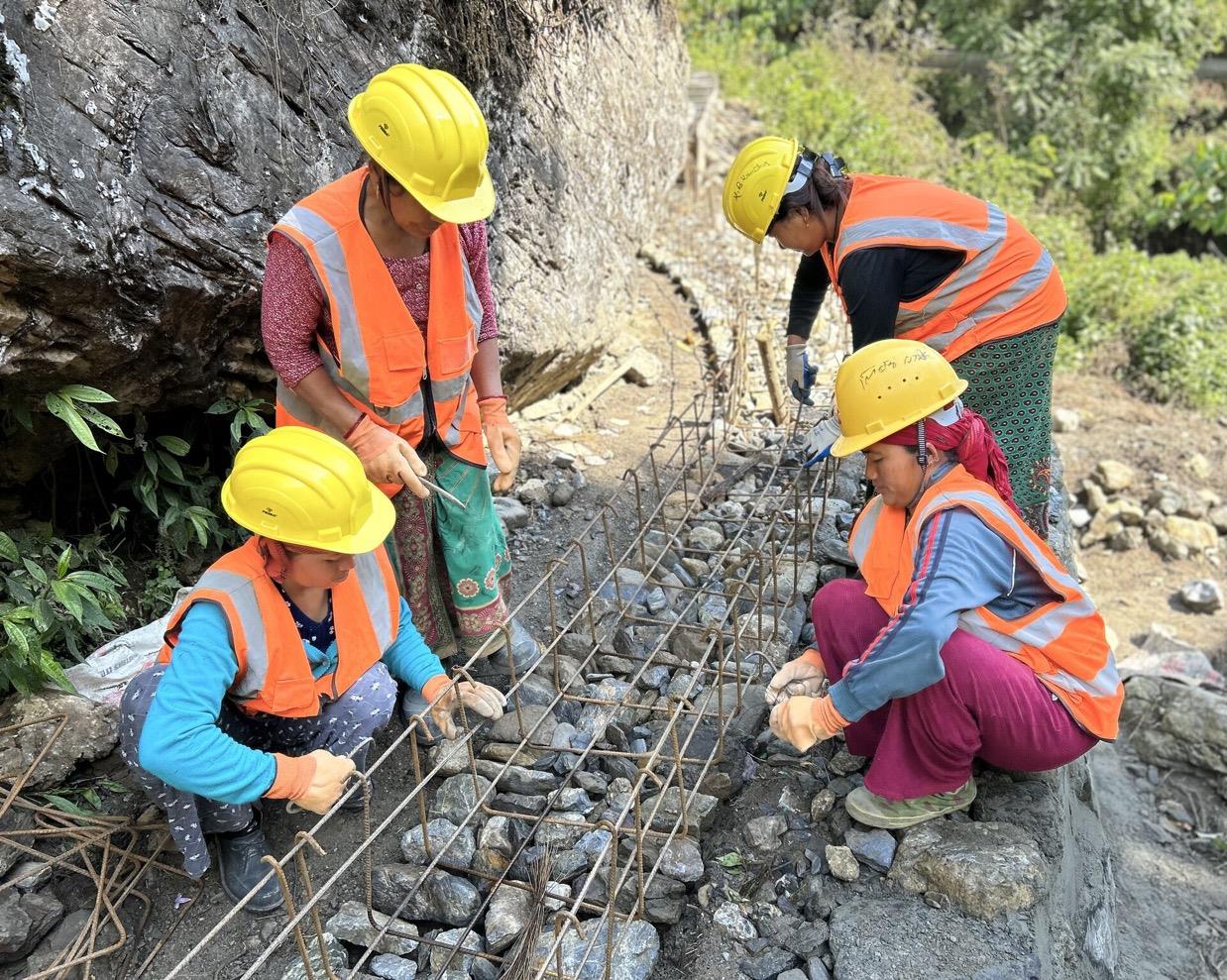
Discover how Nepal’s Local Infrastructure Support Programme (LISP) is helping local governments build infrastructure that is more inclusive, climate resilient, and sustainable by embedding GEDSI and resilience into every stage of the project cycle.
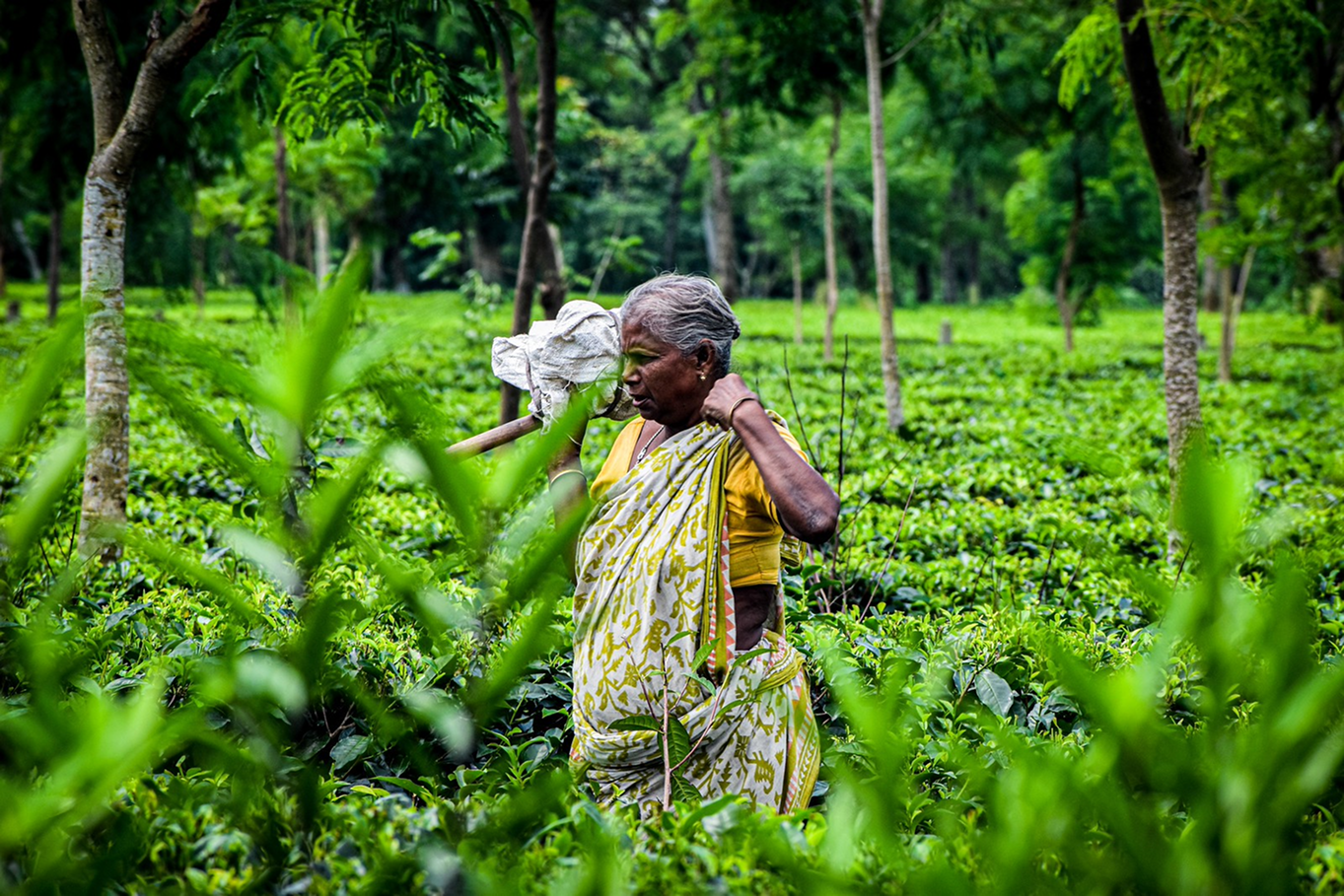
Stronger agricultural supply chains start with practical action in sourcing communities. Our approach combines sustainability strategy, local delivery, and measurement to support farmer livelihoods and improve environmental outcomes.
Drawing on DT Global’s experience in Myanmar, this case study explores how adaptive management helps development programs navigate uncertainty, offering practical lessons on flexibility, learning, and leadership in fragile contexts.
As public funding for development is shifting globally, and new instruments for private financing come to the fore, it is crucial for us to think about how structure and incentivize effective financing to meet global development goals.
Justice in Guinea remains elusive for many despite several recent landmark developments. Most prominently, in July of this year, less than two years into the trial of a former president and his top staff in the 2009 stadium massacre that left more than 150 Guineans dead and dozens more raped and beaten, the former leader was sentenced to 20 years in prison. Broadcast to the country, the conviction was viewed by many as a major step toward judicial independence and accountability at the highest level of Guinea’s political class.
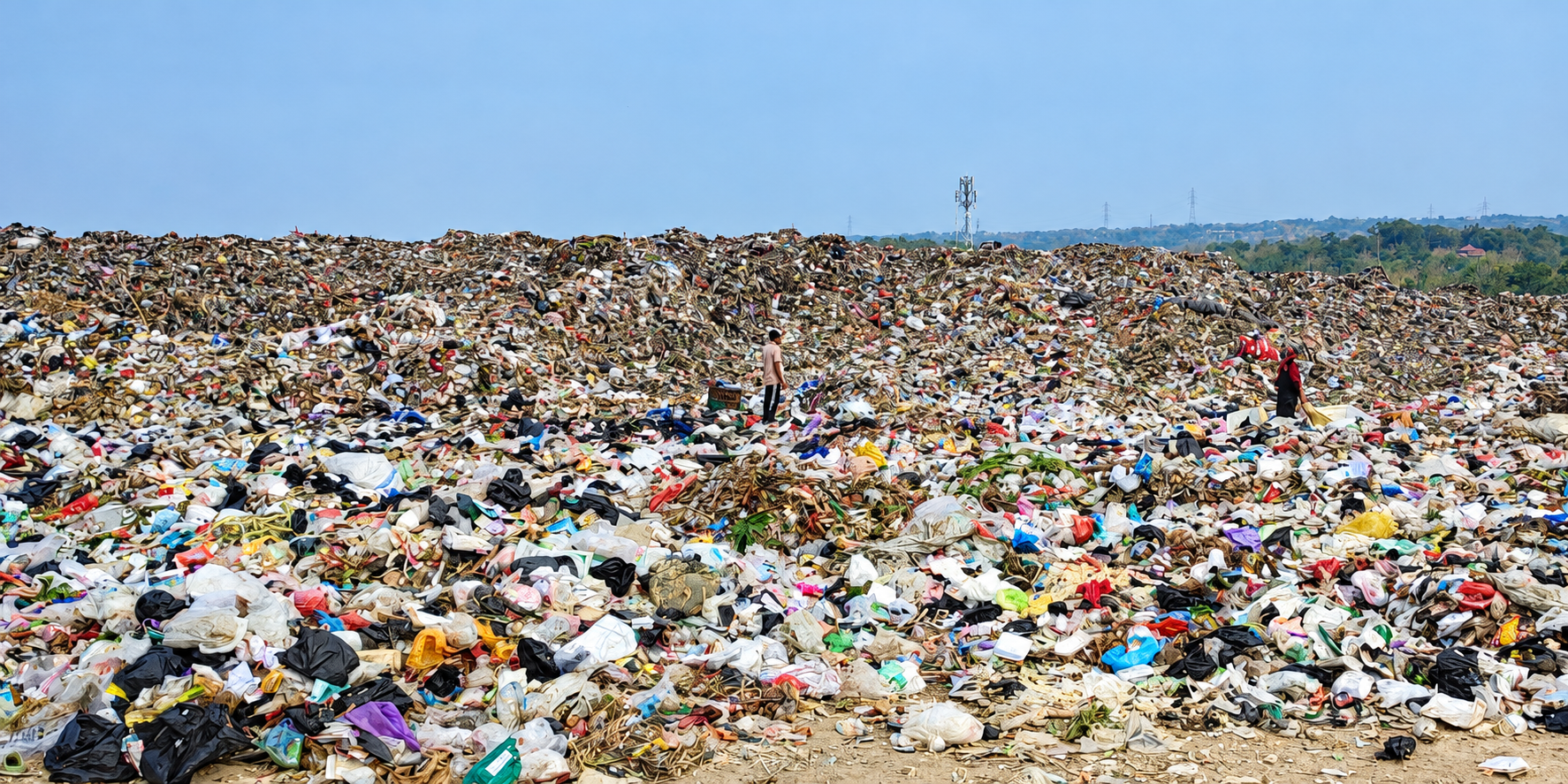
Southeast Asia is grappling with a mounting plastic waste crisis driven by rapid urbanization, population growth, and increased consumption of single-use plastics. While countries have taken steps such as banning plastic bags and adopting national action plans for plastic pollution reduction, plastic leakage into waterways and oceans remains a persistent problem.
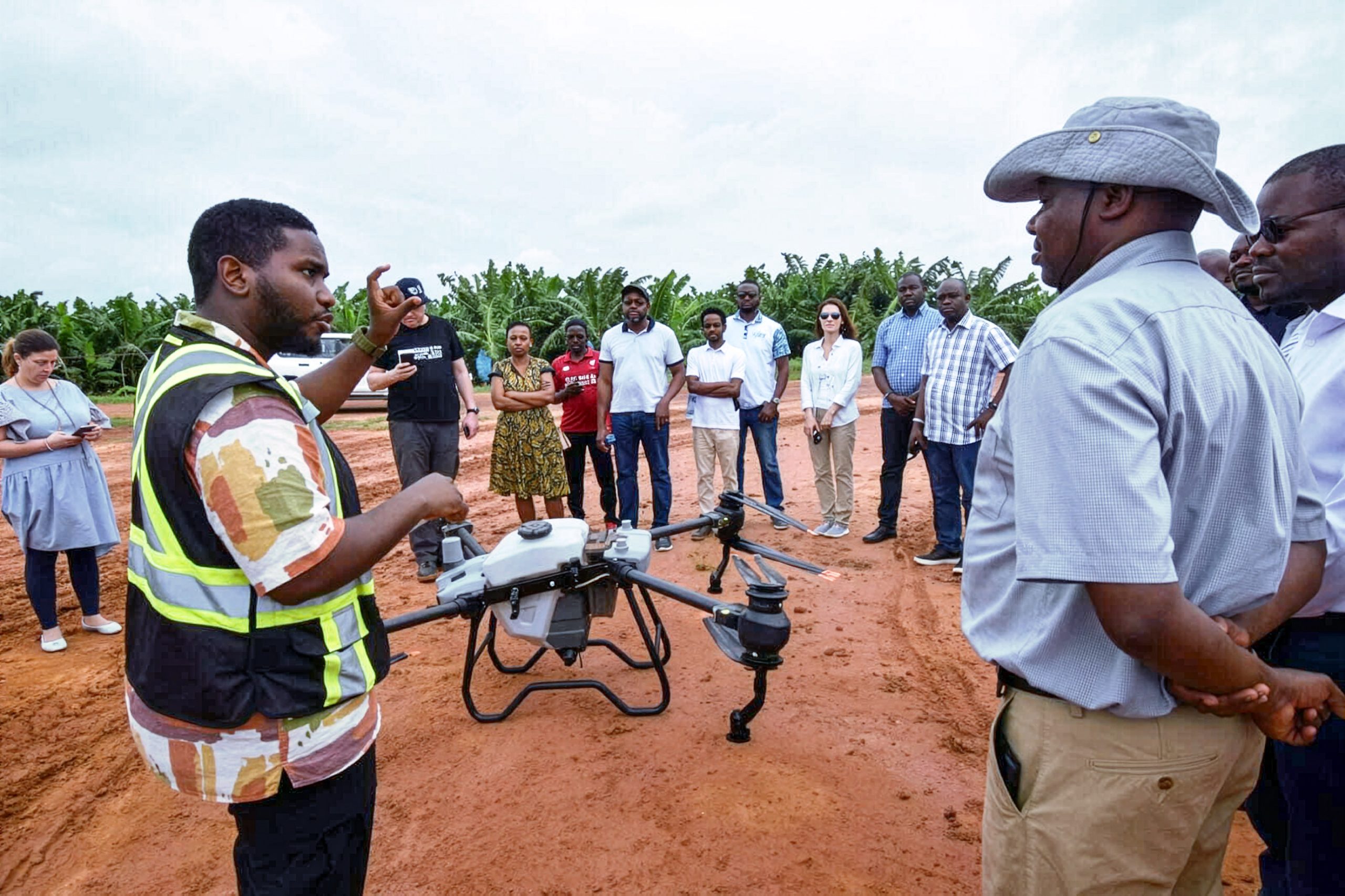
Drones can be a force for good. There are a multitude of drone use cases with the potential for positive social impact, whether monitoring reforestation efforts, spraying crops, surveying damage following a climate event, or delivering lifesaving medicines to remote clinics. Now, many countries are grappling with how to keep up with advances in technology and how they might realise the full benefits drones offer, including via enterprise and job creation, while also maintaining safety and security standards.