Discover DT Global’s Tracking Adaptive Management Initiative (TAMI), a real-time research project exploring how adaptive management approaches are implemented across major DFAT-funded programs in the Asia-Pacific region.
– 1 min
DT Global is excited to launch the Tracking Adaptative Management Initiative (TAMI), a real-time research project involving the tracking of adaptive management approaches being implemented in several large-scale DFAT programs in the Asia-Pacific region.
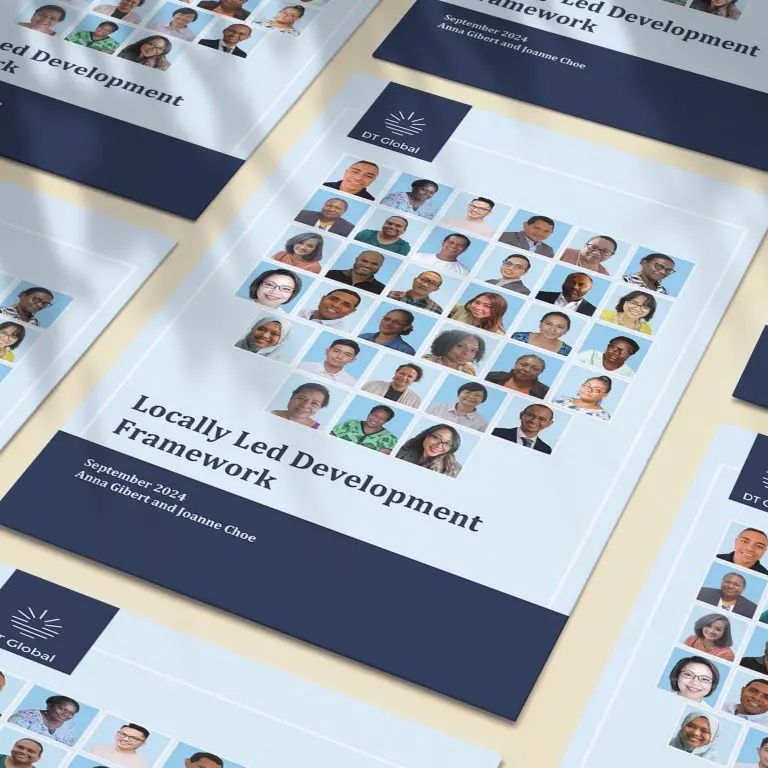
Explore DT Global’s Locally Led Development Framework, designed to empower local leaders, strengthen partnerships, and drive sustainable, community-led development across the Asia-Pacific region.
Discover how DT Global is advancing equitable and sustainable development in Indonesia through inclusive growth, climate resilience, economic cooperation, and stronger communities.
Corporate leaders face a myriad of challenges as they strive to meet their sustainability goals. Government regulations and new policies are being enacted at home and abroad, forcing companies to adjust the way they produce, ship, and sell goods and services.
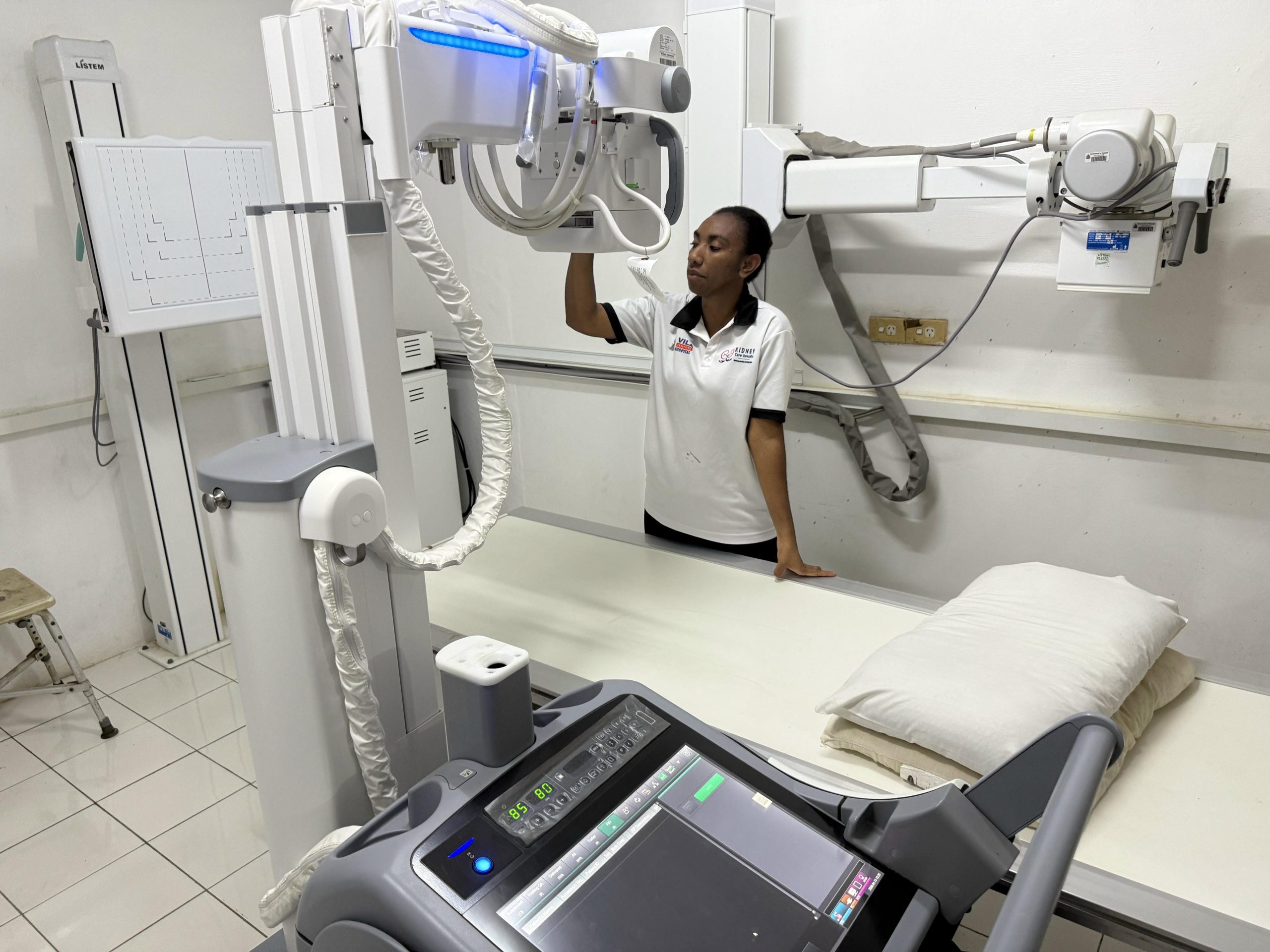
A new QR code system designed to streamline biomedical repair requests across Vanuatu’s health system has been rolled out at Ministry of Health (MoH) hospitals.
In 2023, Artificial Intelligence (AI) made its big splash. Its emergence has yielded systemic changes across sectors, and the international development industry is no exception. In particular, the water, sanitation, and hygiene (WASH) sector is witnessing how AI could transform traditional approaches to everything from quality testing to monitoring usage rates.
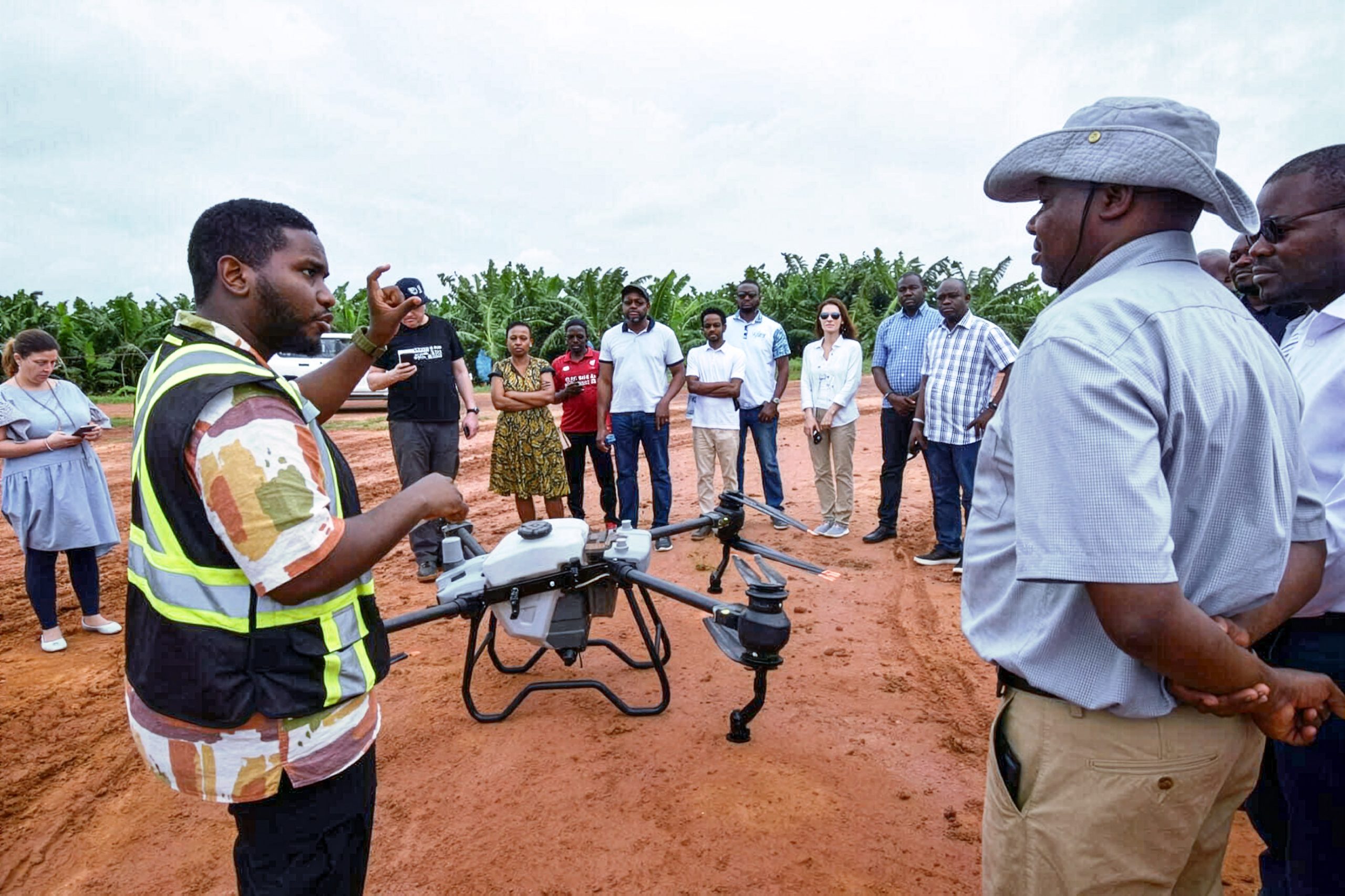
Drones can be a force for good. There are a multitude of drone use cases with the potential for positive social impact, whether monitoring reforestation efforts, spraying crops, surveying damage following a climate event, or delivering lifesaving medicines to remote clinics. Now, many countries are grappling with how to keep up with advances in technology and how they might realise the full benefits drones offer, including via enterprise and job creation, while also maintaining safety and security standards.
Justice in Guinea remains elusive for many despite several recent landmark developments. Most prominently, in July of this year, less than two years into the trial of a former president and his top staff in the 2009 stadium massacre that left more than 150 Guineans dead and dozens more raped and beaten, the former leader was sentenced to 20 years in prison. Broadcast to the country, the conviction was viewed by many as a major step toward judicial independence and accountability at the highest level of Guinea’s political class.