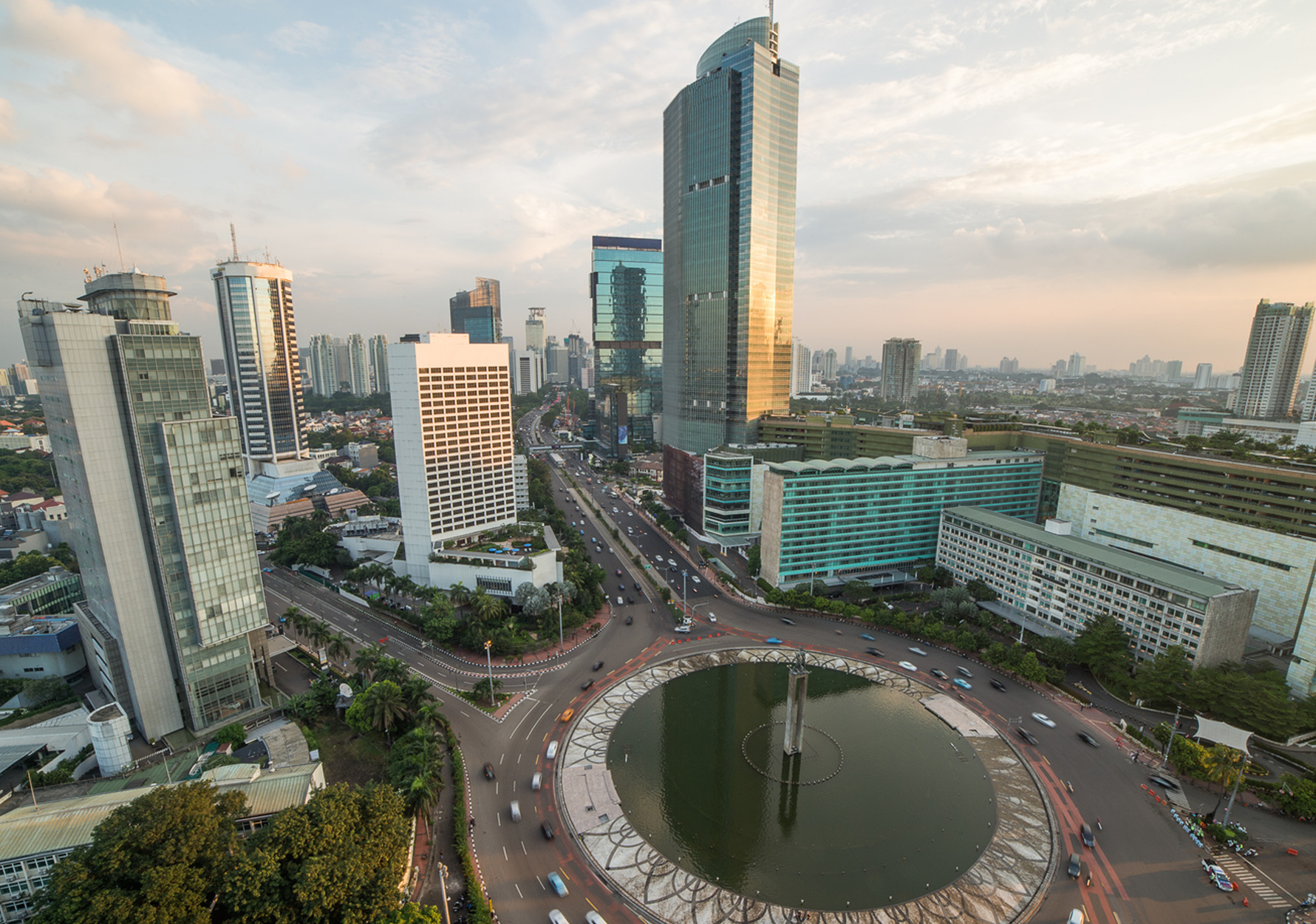
Towards Equitable and Sustainable Development in Indonesia
Discover how DT Global is advancing equitable and sustainable development in Indonesia through inclusive growth, climate resilience, economic cooperation, and stronger communities.
– 1 min
This publication highlights key achievements from DT Global’s Australian government-funded programs in Indonesia across 2025, spanning inclusive economic growth, social protection, climate resilience, clean energy, health, and justice.
Drawing on DT Global’s experience in Myanmar, this case study explores how adaptive management helps development programs navigate uncertainty, offering practical lessons on flexibility, learning, and leadership in fragile contexts.
Corporate leaders face a myriad of challenges as they strive to meet their sustainability goals. Government regulations and new policies are being enacted at home and abroad, forcing companies to adjust the way they produce, ship, and sell goods and services.
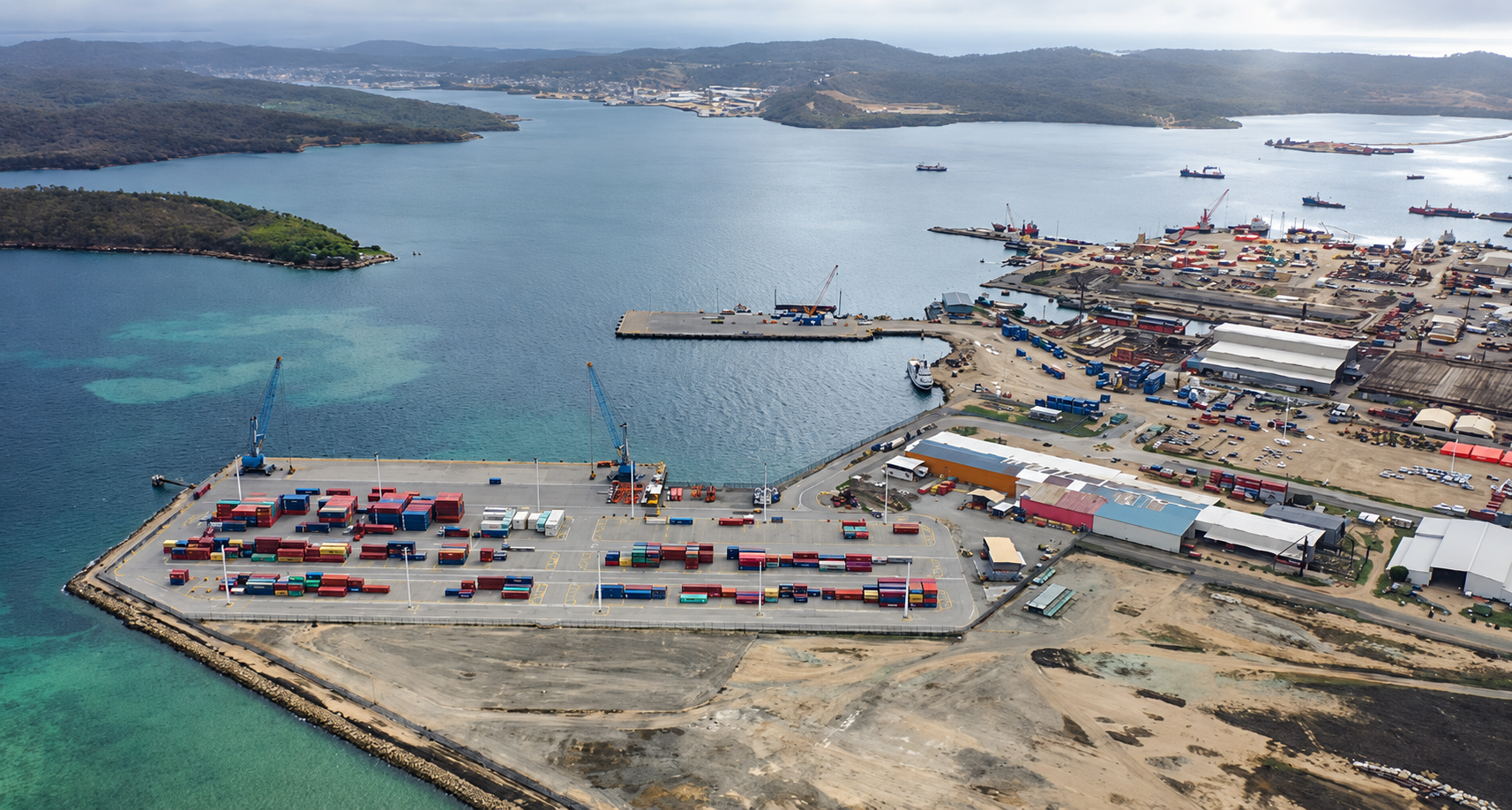
From investment preparation to sustainable operations, DT Global supports infrastructure across the Indo-Pacific. Regional case studies highlight how technical expertise and local partnerships help deliver essential assets and strengthen the institutions managing them.
Southeast Asia has witnessed explosive growth in online scamming operations, and the deceptive and coercive recruitment and employment of workers into them, over the past 5 years. This pattern of trafficking in persons is closely tied into criminal networks within and beyond the region and has flourished in areas with weak governance and patchy rule of law.
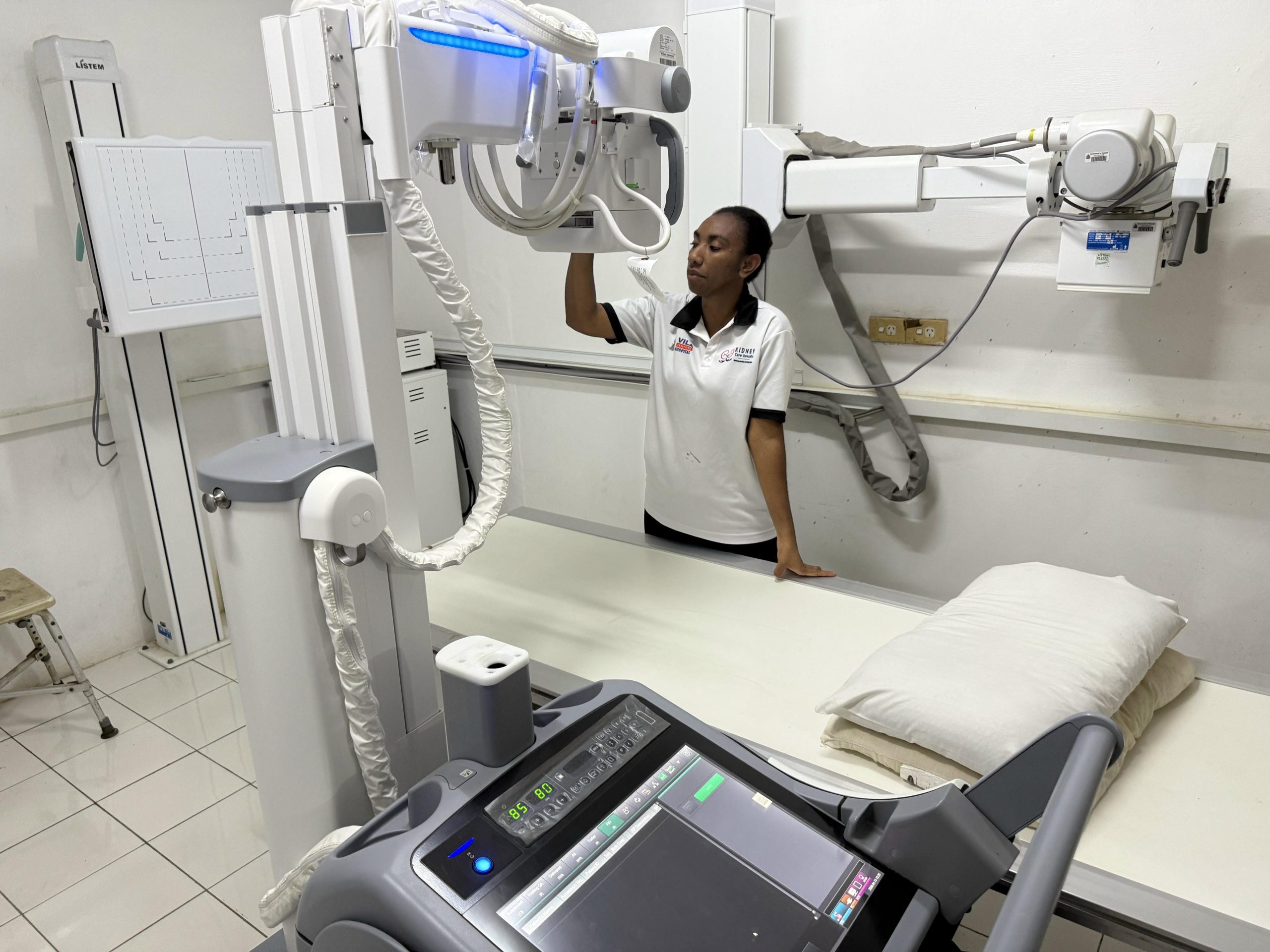
A new QR code system designed to streamline biomedical repair requests across Vanuatu’s health system has been rolled out at Ministry of Health (MoH) hospitals.
There is a reality today that has long been evident on the ground: without private actors, neither the Sustainable Development Goals nor durable solutions to the global debt crisis will be achievable. Deeper collaboration among governments, civil society, and — more than ever — the private sector is critical.
As public funding for development is shifting globally, and new instruments for private financing come to the fore, it is crucial for us to think about how structure and incentivize effective financing to meet global development goals.