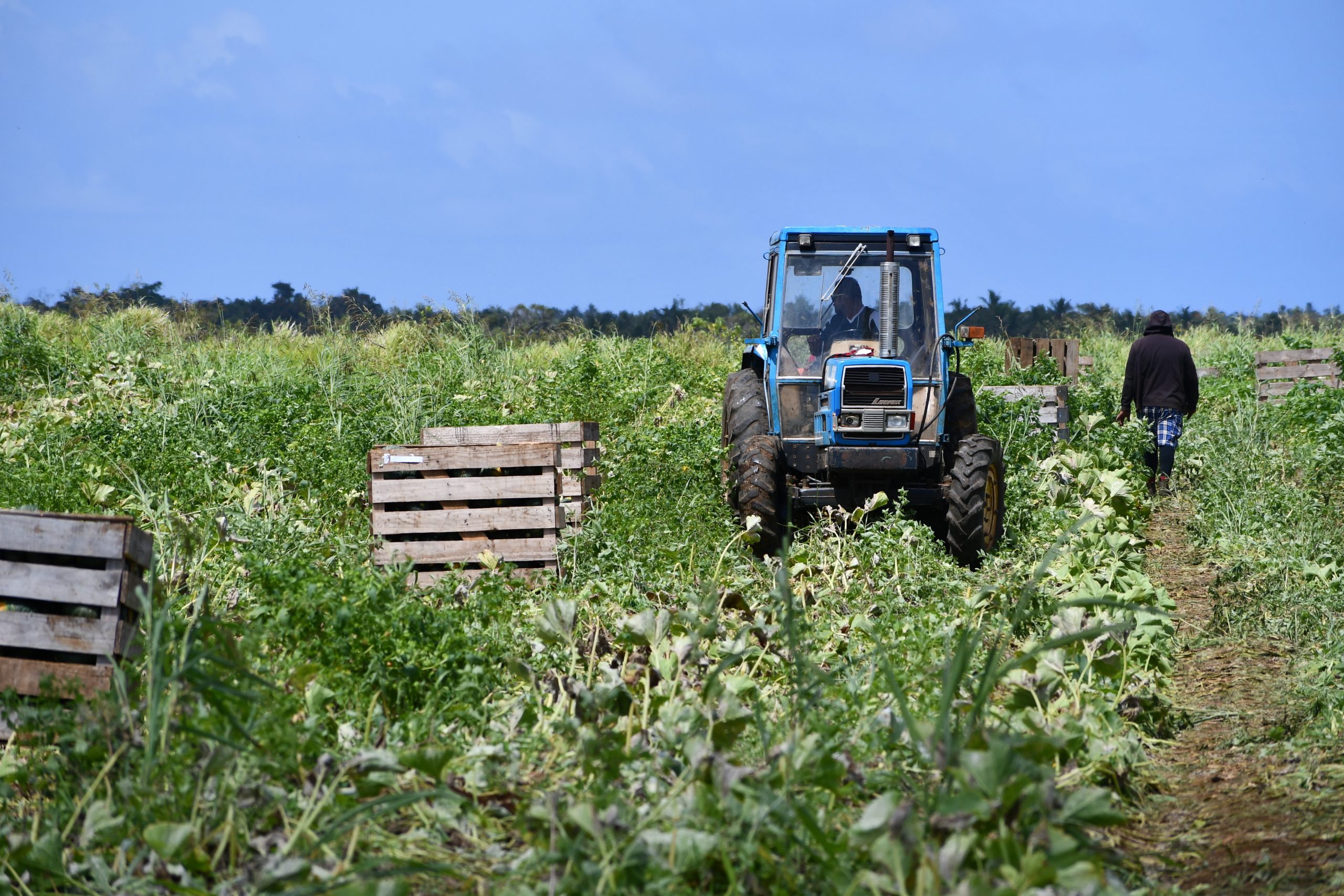
Food and beverage companies increasingly recognize that sustainable sourcing strategies—which focus on the “first mile” of an ingredient supply chain—are a critical lever for driving positive environmental and social impacts in global food systems.
– 1 min
Sustainability teams are moving beyond merely ‘checking the box’ to meet regulatory requirements and are now entering what we call the second era of sustainable sourcing. This phase focuses on balancing long-term resilience and adaptability with immediate strategic considerations.
Through DT Global’s advisory work and partnerships with global food and beverage companies, we’ve identified four key solution areas that companies should prioritize. In this paper, our experts recommend how these solutions should be pursued both independently and through collaborations with peers and partners.
To discuss how our tailored solutions can help your company navigate the future of sustainable sourcing, please get in touch with us at [email protected]
Drawing on DT Global’s experience in Myanmar, this case study explores how adaptive management helps development programs navigate uncertainty, offering practical lessons on flexibility, learning, and leadership in fragile contexts.
Corporate leaders face a myriad of challenges as they strive to meet their sustainability goals. Government regulations and new policies are being enacted at home and abroad, forcing companies to adjust the way they produce, ship, and sell goods and services.
DT Global is excited to launch the Tracking Adaptative Management Initiative (TAMI), a real-time research project involving the tracking of adaptive management approaches being implemented in several large-scale DFAT programs in the Asia-Pacific region.
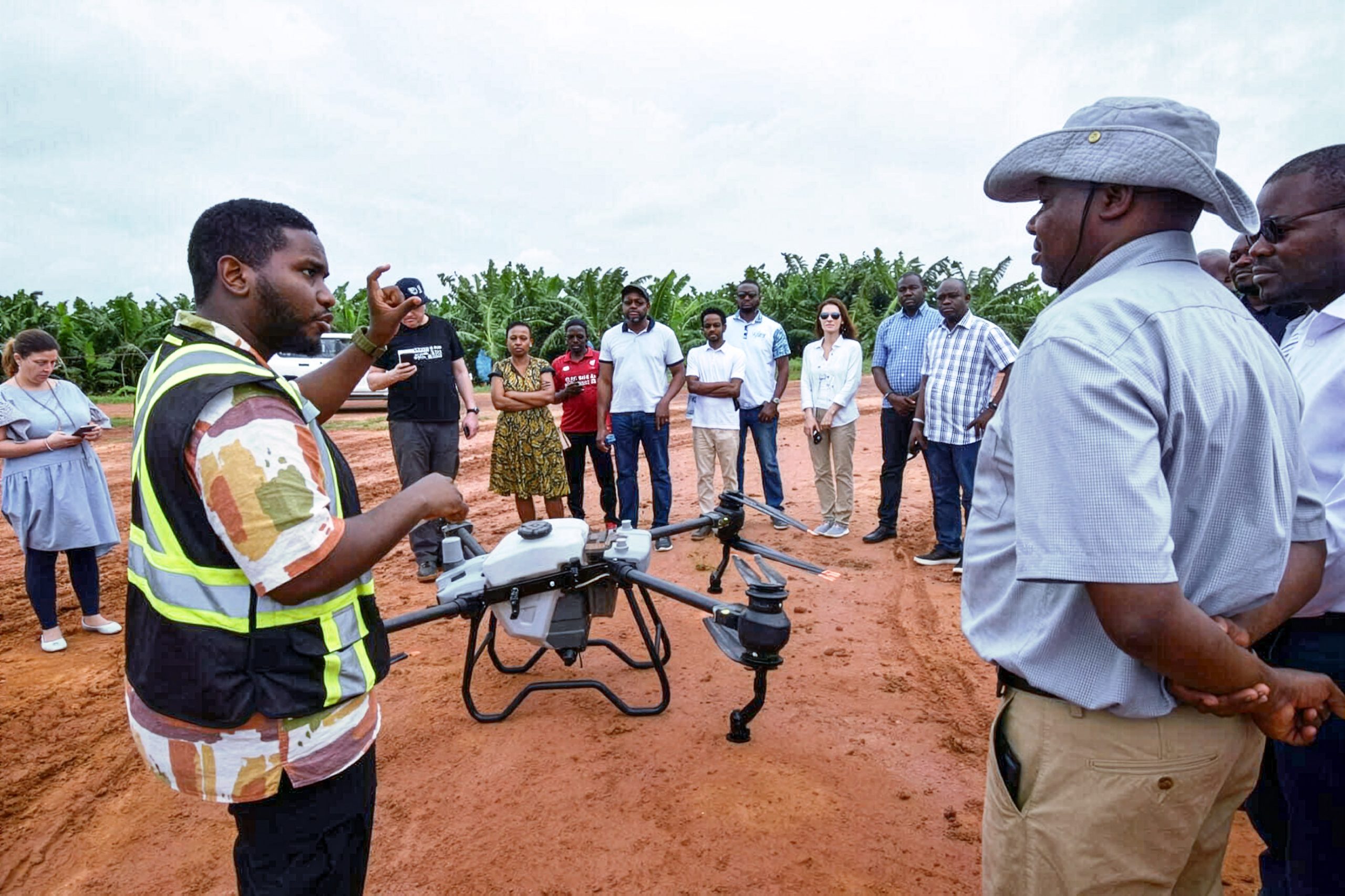
Drones can be a force for good. There are a multitude of drone use cases with the potential for positive social impact, whether monitoring reforestation efforts, spraying crops, surveying damage following a climate event, or delivering lifesaving medicines to remote clinics. Now, many countries are grappling with how to keep up with advances in technology and how they might realise the full benefits drones offer, including via enterprise and job creation, while also maintaining safety and security standards.
Climate change has far-reaching consequences, and one of its major impacts is the intensification of El Niño events, leading to prolonged and severe periods of drought in the Pacific. These climate-induced droughts not only diminish the availability of freshwater for consumption but also have detrimental effects on food production and agriculture. Pacific Island Countries (PICs) like Tonga and Kiribati rely heavily on groundwater and rainfall as their primary sources of freshwater, exacerbating the myriad of challenges faced daily.
In 2023, Artificial Intelligence (AI) made its big splash. Its emergence has yielded systemic changes across sectors, and the international development industry is no exception. In particular, the water, sanitation, and hygiene (WASH) sector is witnessing how AI could transform traditional approaches to everything from quality testing to monitoring usage rates.
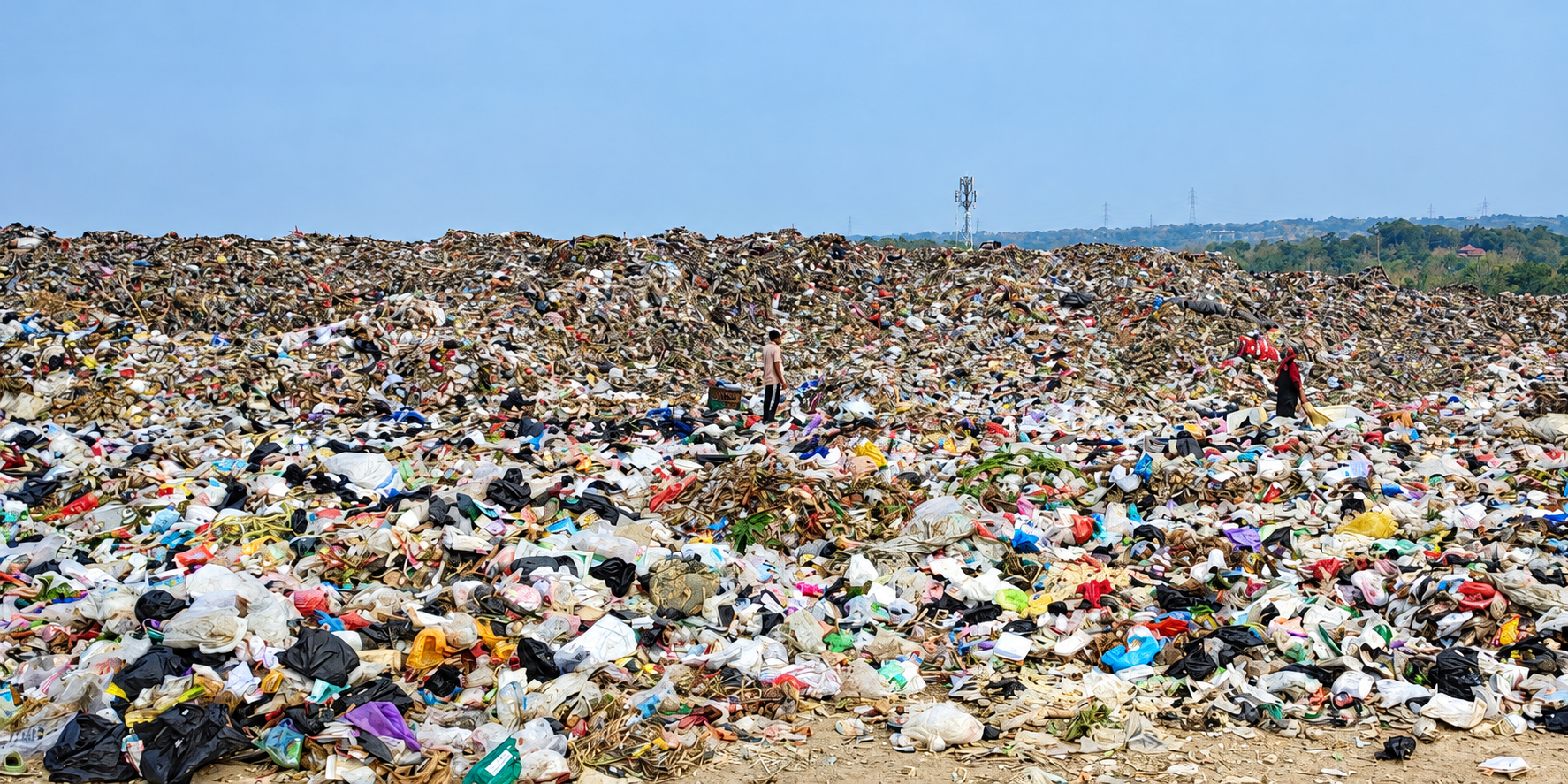
Southeast Asia is grappling with a mounting plastic waste crisis driven by rapid urbanization, population growth, and increased consumption of single-use plastics. While countries have taken steps such as banning plastic bags and adopting national action plans for plastic pollution reduction, plastic leakage into waterways and oceans remains a persistent problem.