Corporate leaders face a myriad of challenges as they strive to meet their sustainability goals. Government regulations and new policies are being enacted at home and abroad, forcing companies to adjust the way they produce, ship, and sell goods and services.
– 1 min
Sourcing commodities from disaggregated global supply chains create a world of complexities, especially in an era of supply chain disruption, conflict, extreme weather events, inequality, and other externalities. Finally, consumers, employees, and shareholders not only expect—but require—more accountability on a huge range of sustainability issues, including human rights, carbon emissions, plastics reduction, fair labor practices, nature loss, and many others.
DT Global has developed the Sustainable Execution Model. This playbook provides a roadmap for using the DT Global Sustainable Execution Model to build programs that will have long-term impact for people, communities, and the environment.
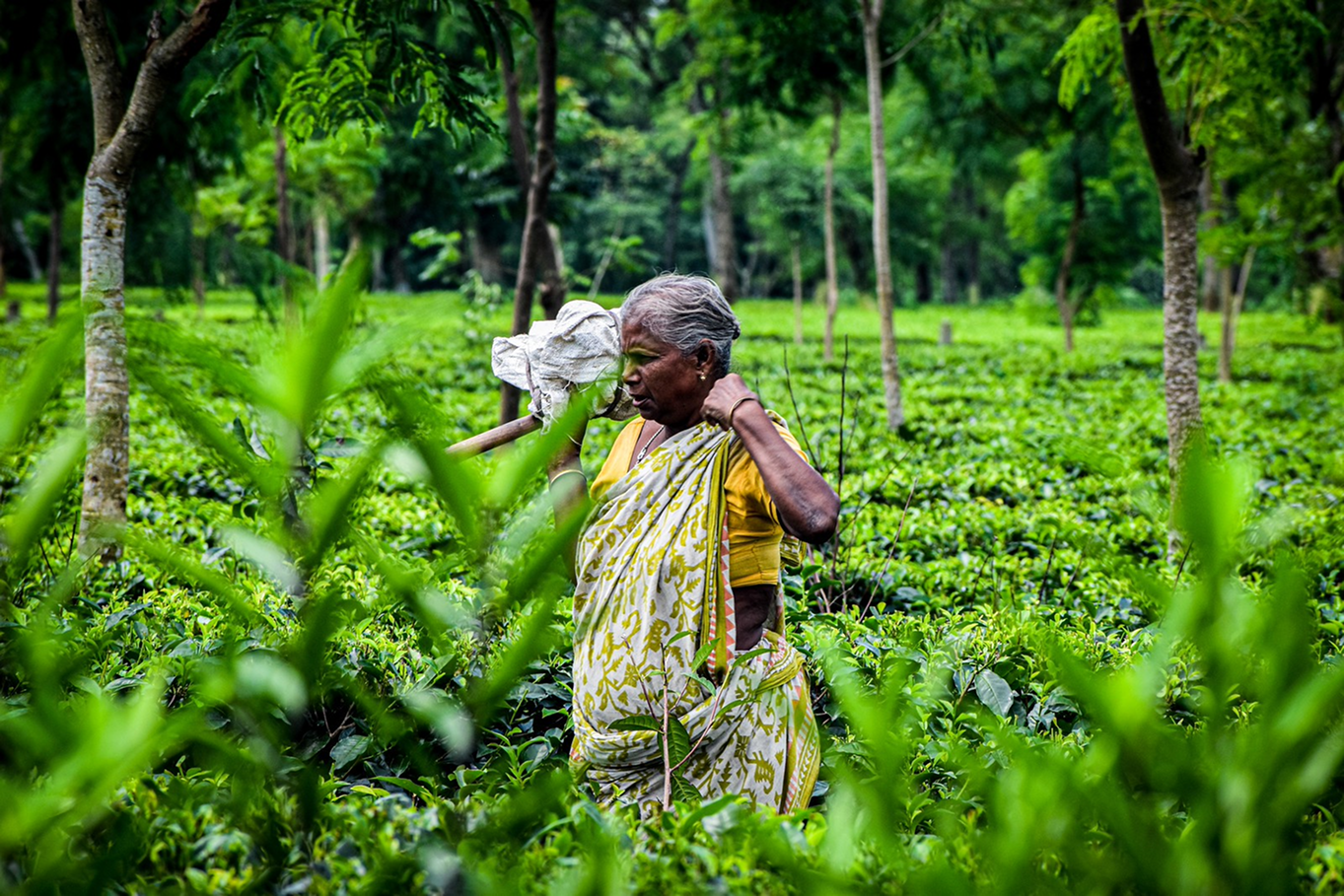
Stronger agricultural supply chains start with practical action in sourcing communities. Our approach combines sustainability strategy, local delivery, and measurement to support farmer livelihoods and improve environmental outcomes.
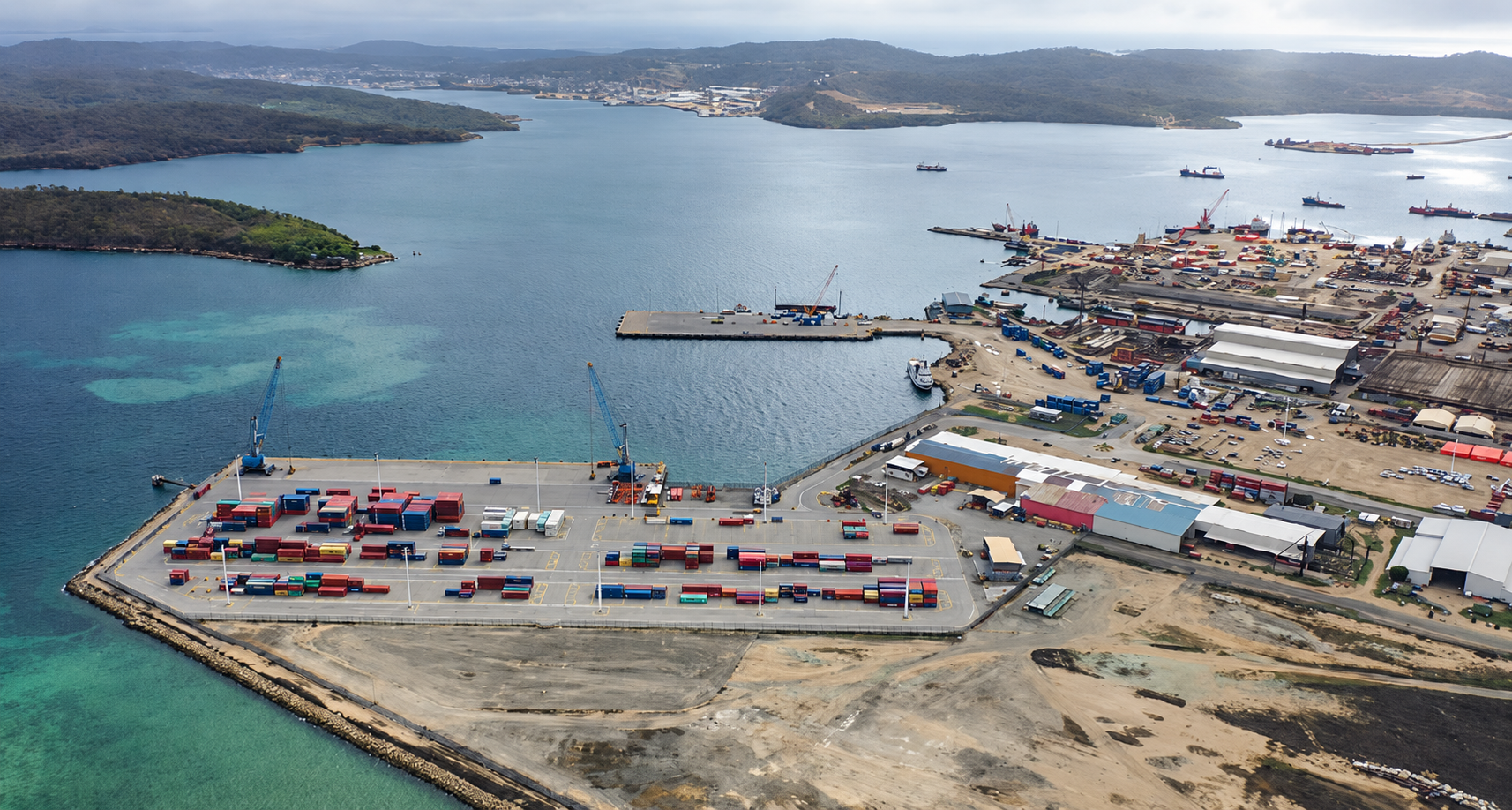
From investment preparation to sustainable operations, DT Global supports infrastructure across the Indo-Pacific. Regional case studies highlight how technical expertise and local partnerships help deliver essential assets and strengthen the institutions managing them.
Responsible mining depends on more than the resource itself. This publication examines the governance, environmental, and social conditions that help projects attract investment, earn community trust, and deliver lasting value.
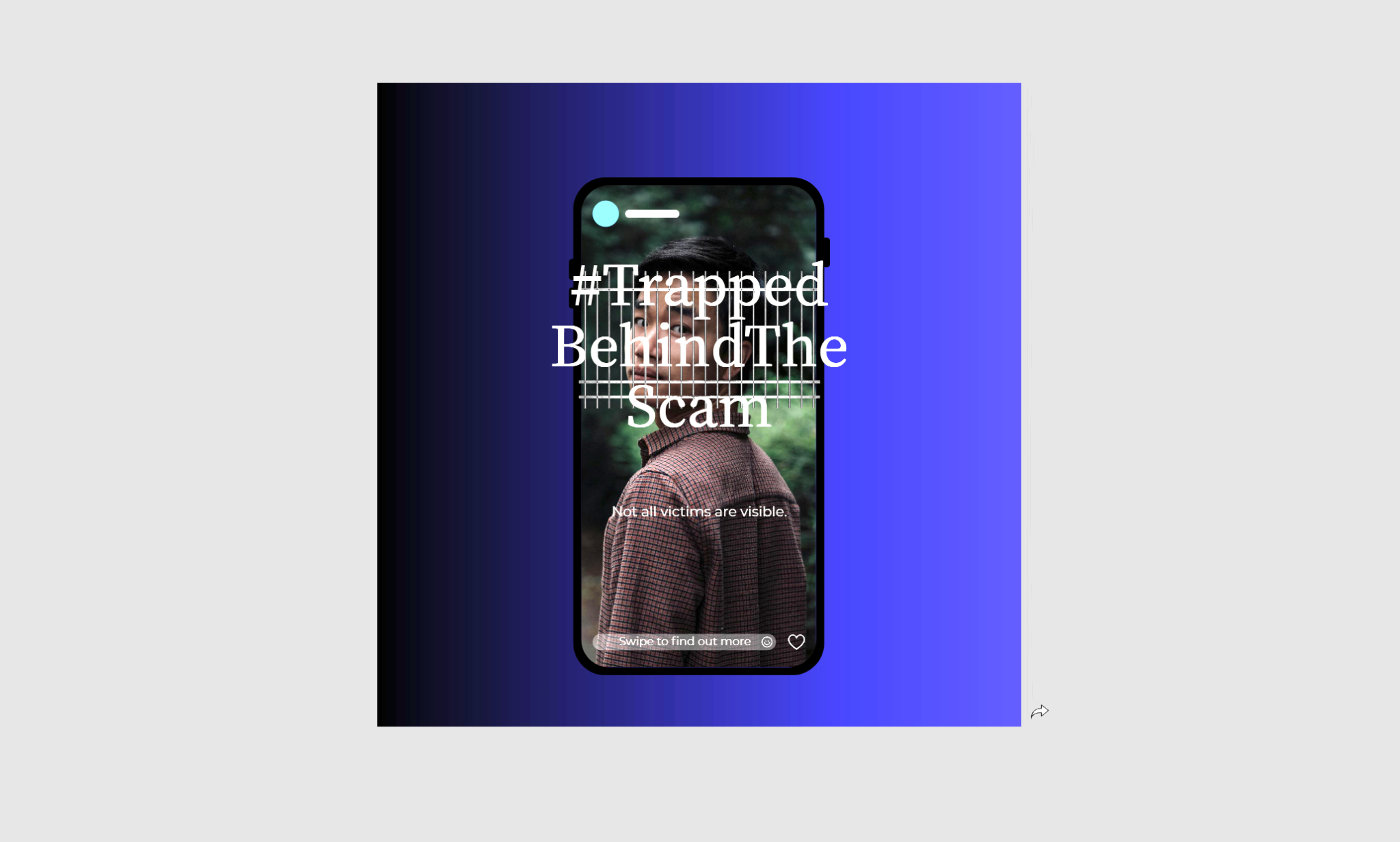
Southeast Asia has witnessed explosive growth in online scamming operations, and the deceptive and coercive recruitment and employment of workers into them, over the past 5 years. This pattern of trafficking in persons is closely tied into criminal networks within and beyond the region and has flourished in areas with weak governance and patchy rule of law.
There is a reality today that has long been evident on the ground: without private actors, neither the Sustainable Development Goals nor durable solutions to the global debt crisis will be achievable. Deeper collaboration among governments, civil society, and — more than ever — the private sector is critical.
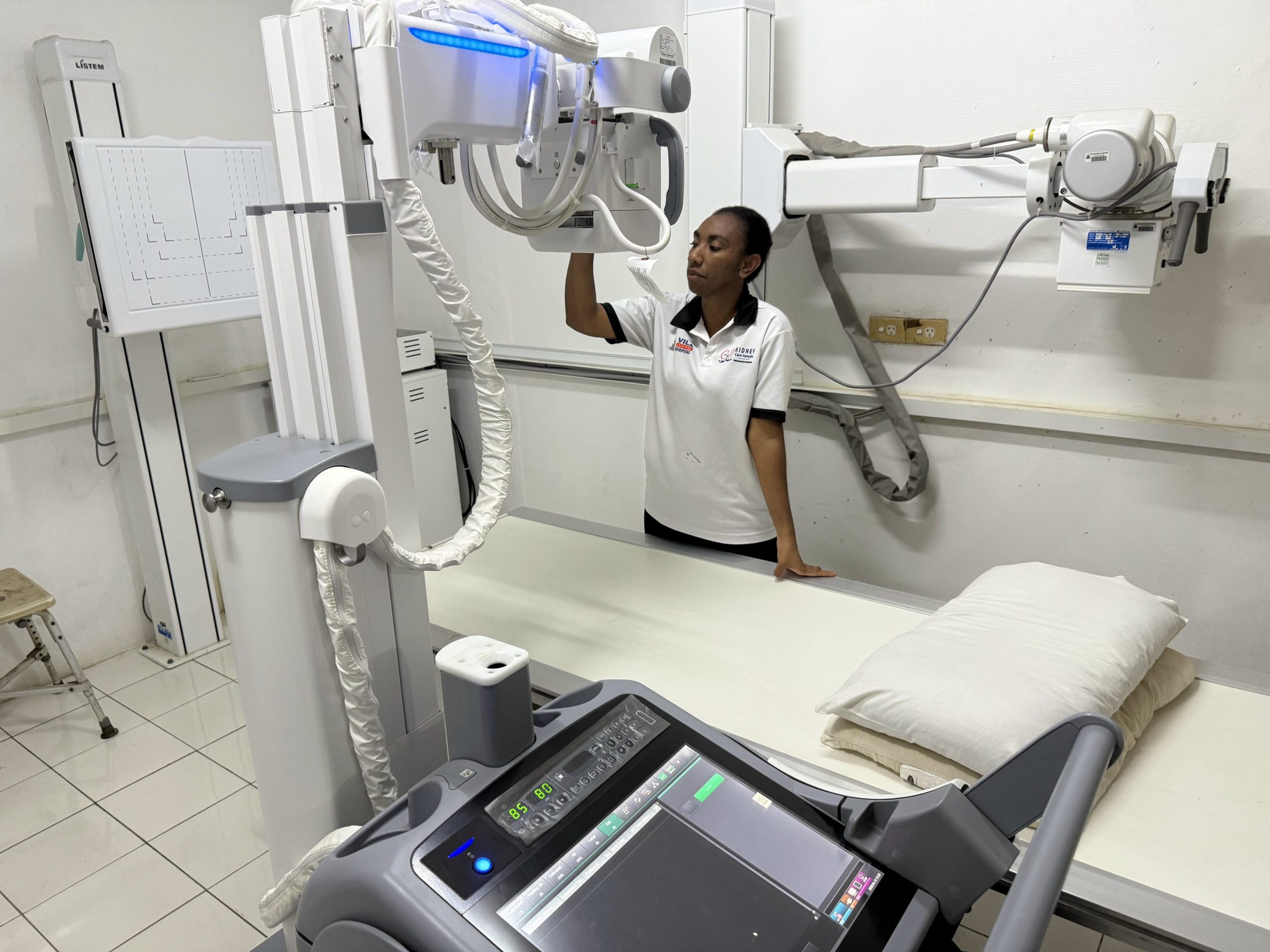
A new QR code system designed to streamline biomedical repair requests across Vanuatu’s health system has been rolled out at Ministry of Health (MoH) hospitals.
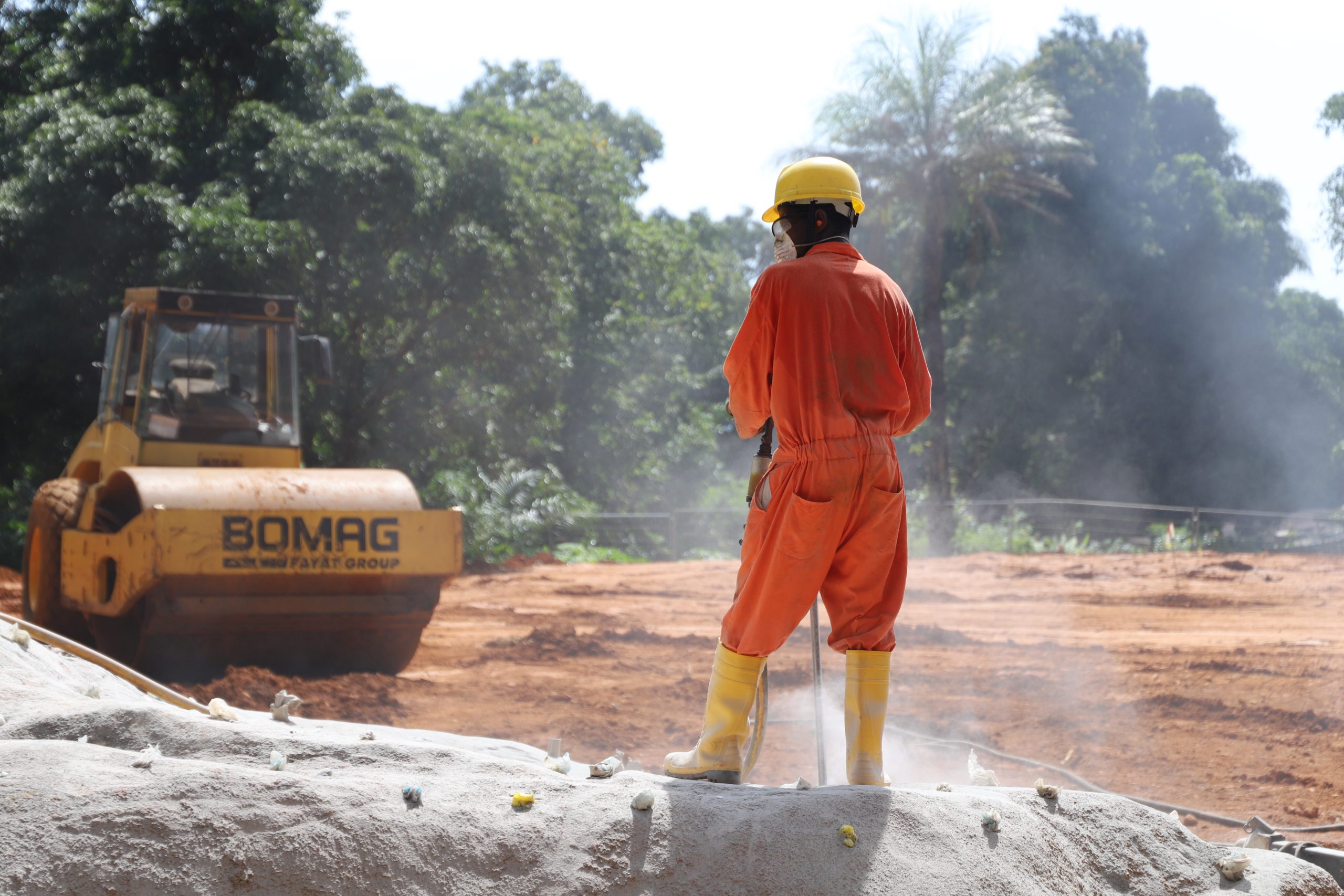
Over 90% of the water supply to Freetown, Sierra Leone is supplied from Guma Dam and Water Treatment Plant. This facility as well as supply to the city of Freetown is managed by the Guma Valley Water Company. It was estimated that 2 million litres of water were being lost every day. To help address this issue, DT Global worked on the Freetown Water Supply Rehabilitation project, which was funded by the Foreign, Commonwealth and Development Office (FCDO) and concluded last year.