Discover DT Global’s Tracking Adaptive Management Initiative (TAMI), a real-time research project exploring how adaptive management approaches are implemented across major DFAT-funded programs in the Asia-Pacific region.
– 1 min
DT Global is excited to launch the Tracking Adaptative Management Initiative (TAMI), a real-time research project involving the tracking of adaptive management approaches being implemented in several large-scale DFAT programs in the Asia-Pacific region.
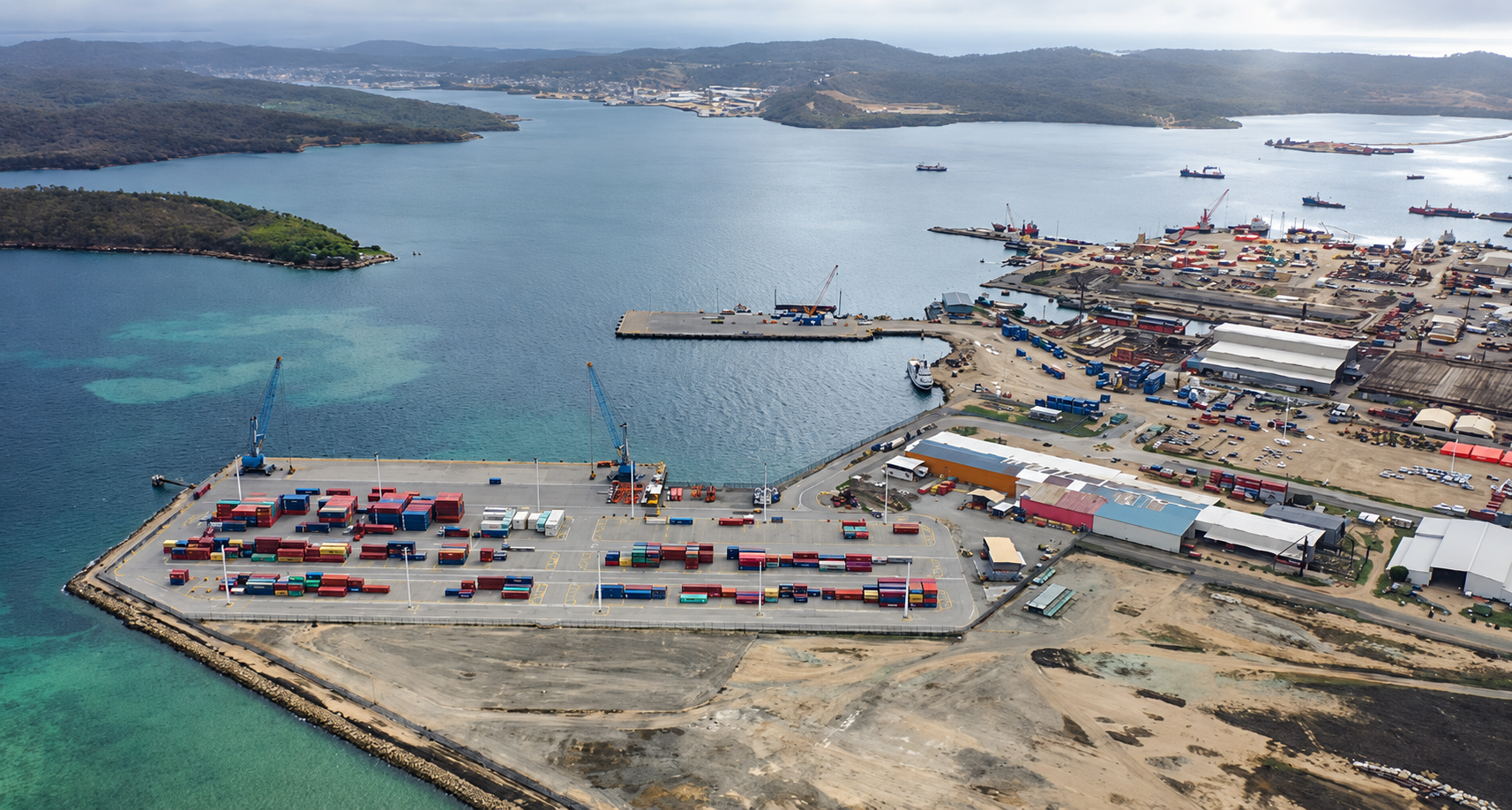
From investment preparation to sustainable operations, DT Global supports infrastructure across the Indo-Pacific. Regional case studies highlight how technical expertise and local partnerships help deliver essential assets and strengthen the institutions managing them.
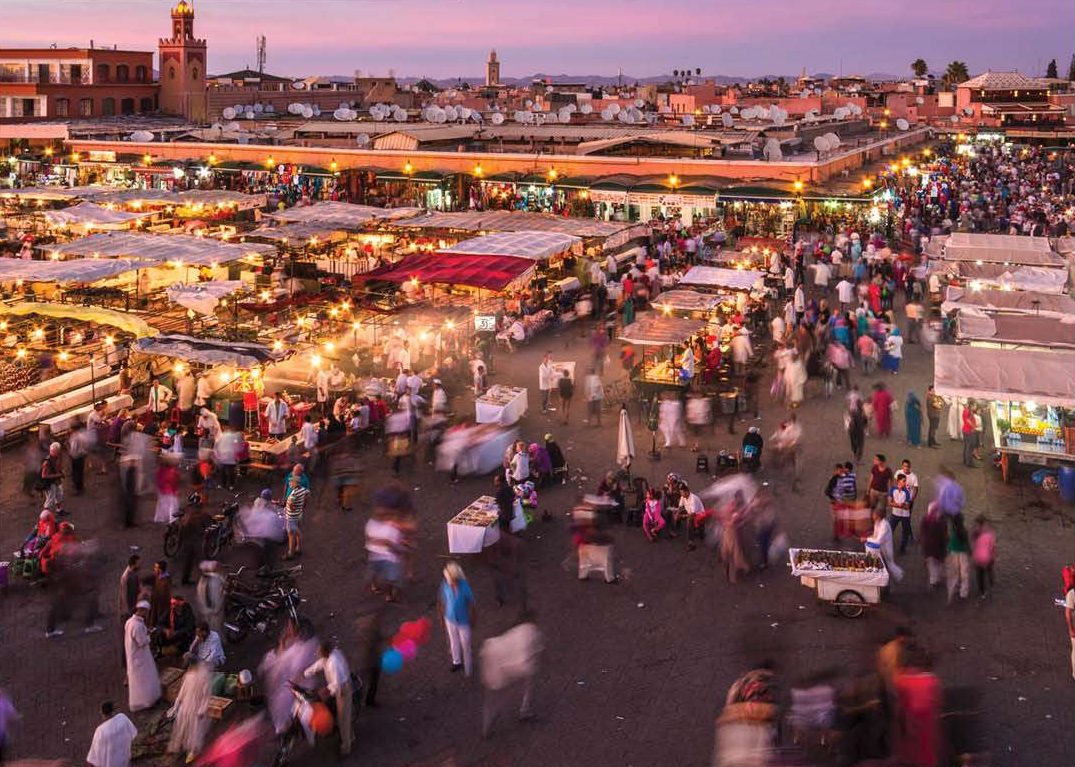
Corporate leaders face a myriad of challenges as they strive to meet their sustainability goals. Government regulations and new policies are being enacted at home and abroad, forcing companies to adjust the way they produce, ship, and sell goods and services.
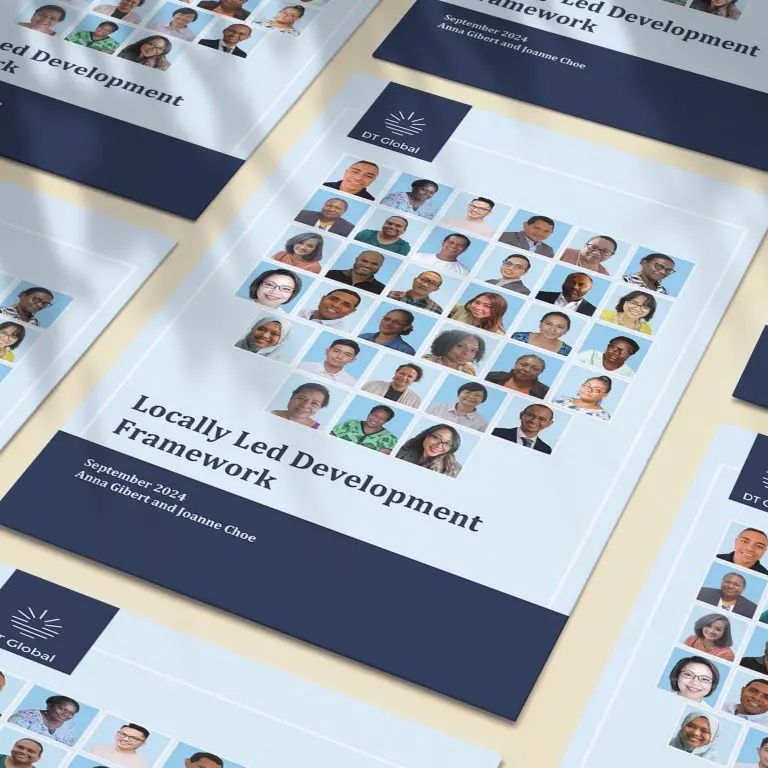
Explore DT Global’s Locally Led Development Framework, designed to empower local leaders, strengthen partnerships, and drive sustainable, community-led development across the Asia-Pacific region.
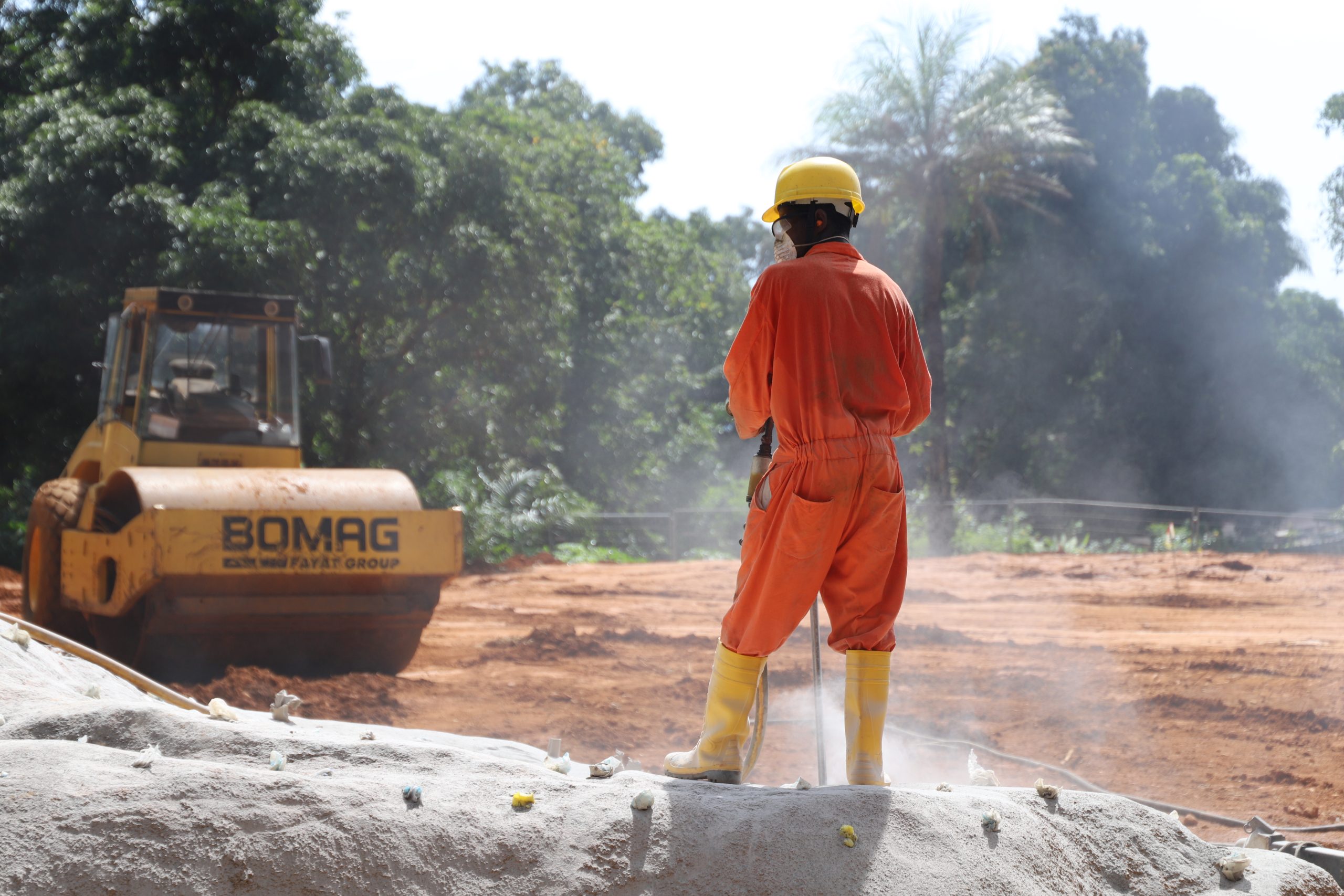
Over 90% of the water supply to Freetown, Sierra Leone is supplied from Guma Dam and Water Treatment Plant. This facility as well as supply to the city of Freetown is managed by the Guma Valley Water Company. It was estimated that 2 million litres of water were being lost every day. To help address this issue, DT Global worked on the Freetown Water Supply Rehabilitation project, which was funded by the Foreign, Commonwealth and Development Office (FCDO) and concluded last year.
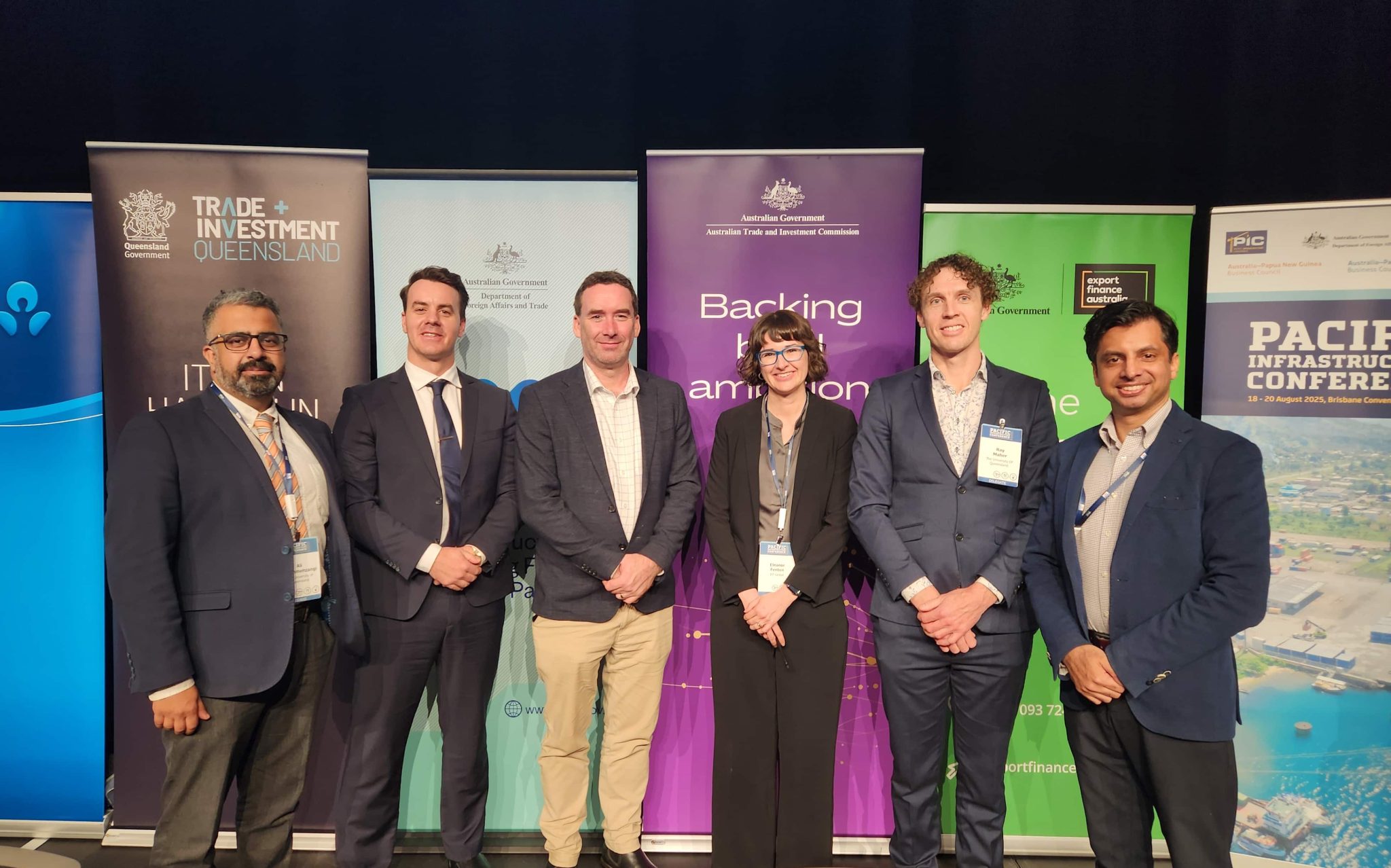
From safer roads to climate-resilient water systems, infrastructure sets the foundation for economic growth and social well-being. Few understand this better than Eleanor Fenton, Principal and Lead of DT Global’s Infrastructure Management Unit (IMU). In this Q&A, Eleanor shares her journey into infrastructure development and explains how DT Global is improving lives through resilient, sustainable infrastructure.
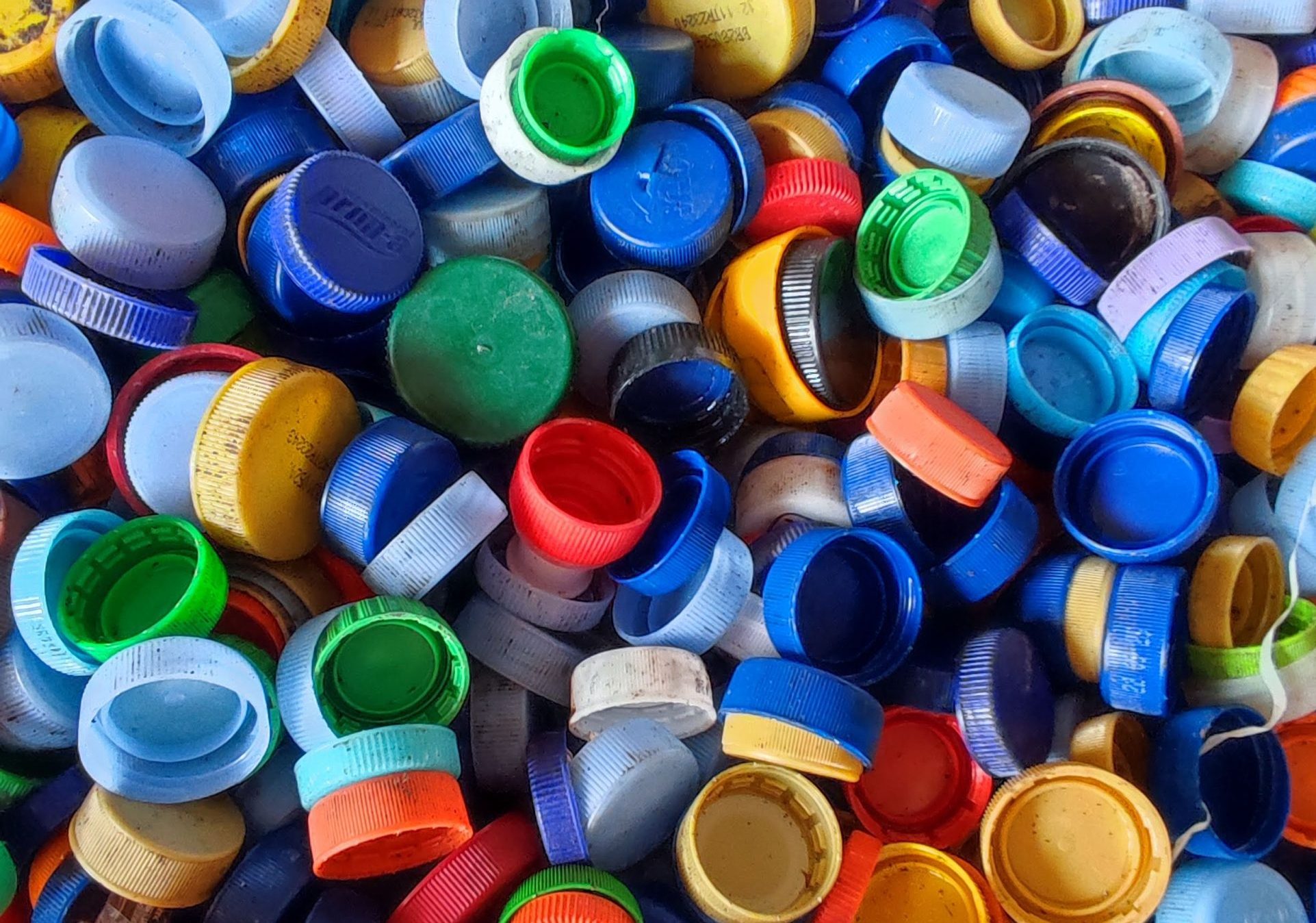
Across low- and middle-income countries (LMICs), the circular economy holds enormous promise for supporting countries to achieve the Sustainable Development Goals. Rethinking how products are designed, used, reused, and recycled can help reduce waste, lower emissions, and address biodiversity loss — all while generating local jobs and supporting a more resilient, sustainable, and inclusive growth model.
Southeast Asia has witnessed explosive growth in online scamming operations, and the deceptive and coercive recruitment and employment of workers into them, over the past 5 years. This pattern of trafficking in persons is closely tied into criminal networks within and beyond the region and has flourished in areas with weak governance and patchy rule of law.