Caring for Country: Shared Knowledge, Stronger Climate Resilience
An Australia–Timor-Leste knowledge exchange brings Indigenous leaders, environmental practitioners and young people together to explore locally grounded approaches to water security, natural resource management and climate action.
Knowledge rooted in Country
For generations, communities in Timor-Leste and Australia have developed their own ways of understanding and caring for the natural environment.
In Timor-Leste, customary practices such as Tara Bandu guide communities in managing land, forests, water and other natural resources. Across Australia, First Nations knowledge reflects deep connections to Country and environmental stewardship forged over millennia.
While shaped by different histories and landscapes, these knowledge systems share a common thread: caring for the environment is a collective responsibility.
As climate change places increasing pressure on water and natural resources, bringing these perspectives together creates opportunities to learn from one another and strengthen locally grounded responses.
Australia, through PARTISIPA, recently supported two Indigenous Australians, Bradley Moggridge and Tiahni Adamson, to travel to Timor-Leste and contribute to H.E. President José Ramos-Horta’s Water, Peace and Diplomacy Symposium, held at the Presidential Palace in Dili on 26 October 2026. Australia’s support enabled important First Nations perspectives to be part of these discussions.
Bradley Moggridge, a proud Kamilaroi man (North West NSW) living on Ngunnawal Country, Kamilaroi, is Professor of Science and Associate Dean for Indigenous Leadership and Engagement at the University of Technology Sydney. With more than 25 years’ experience in Indigenous engagement and water and environmental science, Professor Moggridge is also a Lead Author for the IPCC’s Seventh Assessment Report and a board member of the NSW EPA and Biodiversity Council.
Tiahni Adamson, is proud Kaurareg woman, wildlife conservation biologist and advocate for First Nations Australians and women in STEM, working at the intersection of conservation science, climate action, Indigenous knowledge and community engagement. Her experience includes First Nations engagement and culturally grounded conservation, Indigenous-led climate justice and building connections between Indigenous knowledge and contemporary approaches to environmental management. At the Symposium, Professor Moggridge contributed to the formal program, while Ms Adamson served as a rapporteur and helped lead the development of the Dili Statement.
Their visit also opened opportunities for direct exchange with Timorese practitioners, civil society organisations and young environmental leaders.
Extending the exchange
PARTISIPA used the presence of international Indigenous delegates in Dili to extend the exchange beyond the formal Symposium and create opportunities for more direct dialogue with Timorese civil society, young people and development partners.
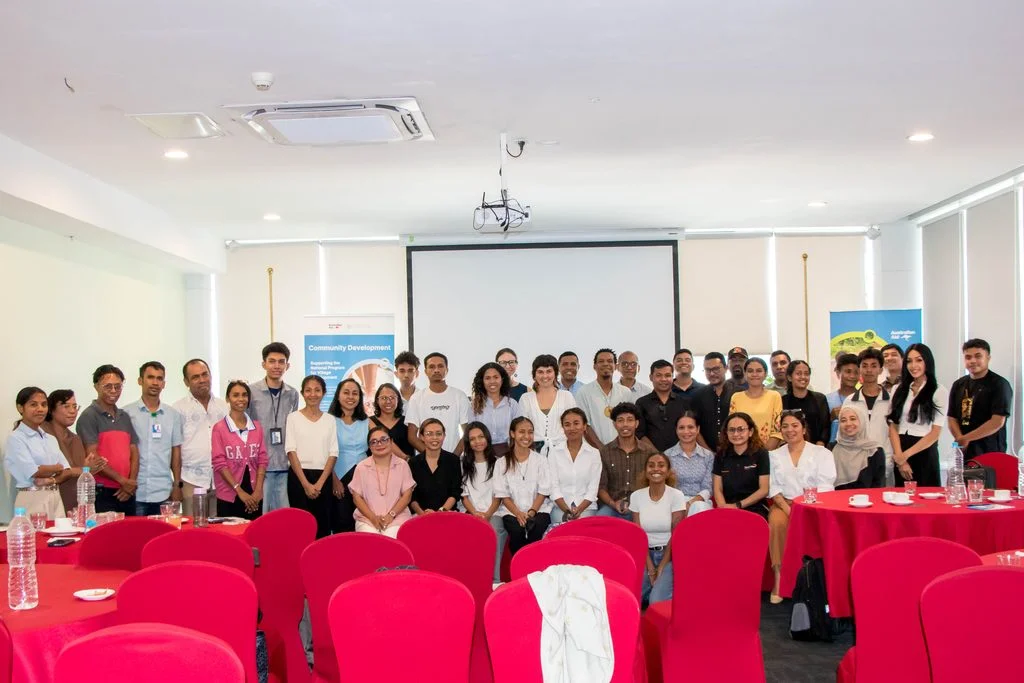
On 23 October, PARTISIPA convened Learning from Country and Custom: An Australia–Timor-Leste Knowledge Exchange on Water and Natural Resource Stewardship, featuring Bradley Moggridge alongside Timorese development practitioner and expert in the traditional practice of Tara Bandu, Alvaro Antonio Alves Sarmento de Jesus. Through their shared experiences, participants explored how Indigenous Australian approaches to caring for land, water and natural resources connect with Timorese customary practices, particularly Tara Bandu.
33 participants attended, representing the Australian Embassy, PARTISIPA, UNSW, Permatil, TLAus4Resilience partners, as well as other international NGOs and Timorese civil society organisations.
On 27 October, PARTISIPA convened Youth Leading Change: Australia–Timor-Leste Exchange on Climate Action and Care for Country. Recognising the role young people play as active contributors to environmental protection, Tiahni Adamson was joined by Māori environmental scientist Aaria Rolleston and Timorese youth environmental leaders Izu Pereira, Dalia dos Reis and Jonas Menezes to exchange experiences of Indigenous knowledge, youth leadership, climate action, conservation and caring for Country.
46 participants attended from PARTISIPA, UNSW, Permatil, international NGOs and Timorese CSOs, as well as several international delegates from the Symposium, creating new connections between young Indigenous, Timorese and international climate activists and development practitioners.
Building longer-term partnerships
The activities were made possible through close collaboration between DFAT, PARTISIPA, Permatil and UNSW, demonstrating the value of connecting Australia’s First Nations engagement with Australia’s development and climate partnerships in Timor-Leste.
The exchanges also complement PARTISIPA’s growing portfolio of work on climate resilience and water security, including the Water and Climate Research Partnership with WaterAid, UNSW and Permatil, and collaboration with the Timor-Leste Australia Partnership for Climate Resilience (TLAus4Resilience).
Through these partnerships, Australia and Timor-Leste are strengthening connections between practitioners and institutions, while creating opportunities to turn shared knowledge into practical approaches to environmental stewardship
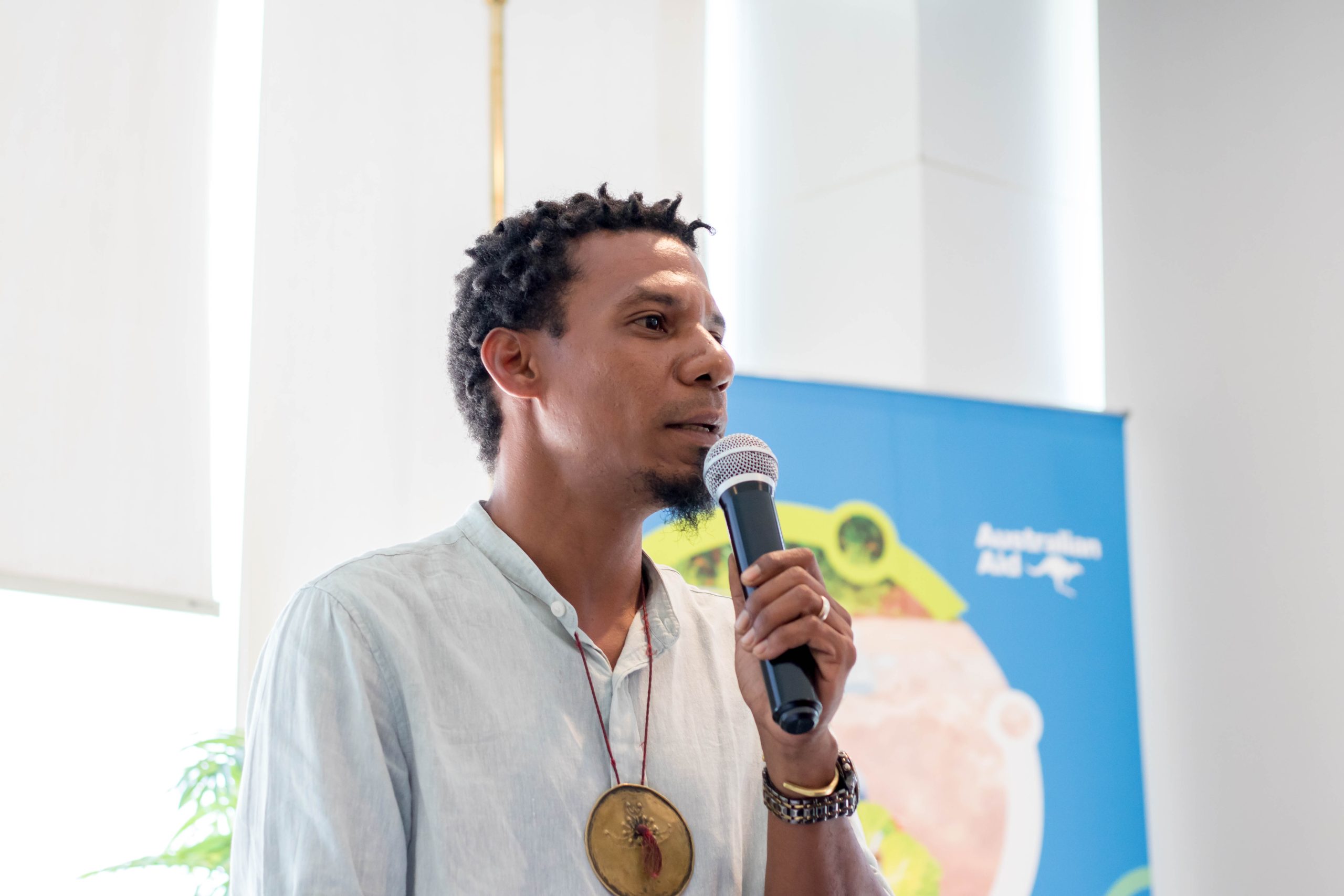
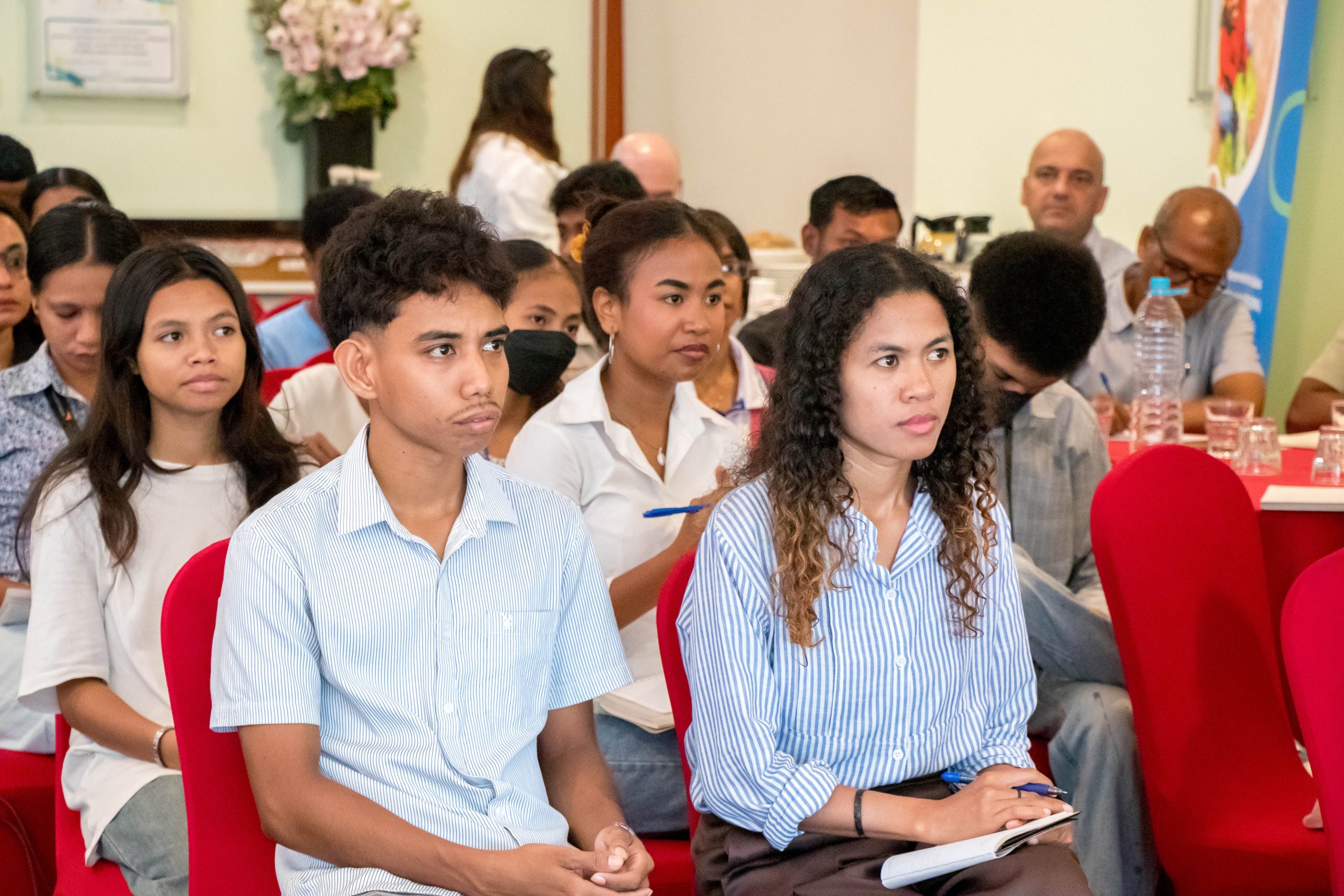
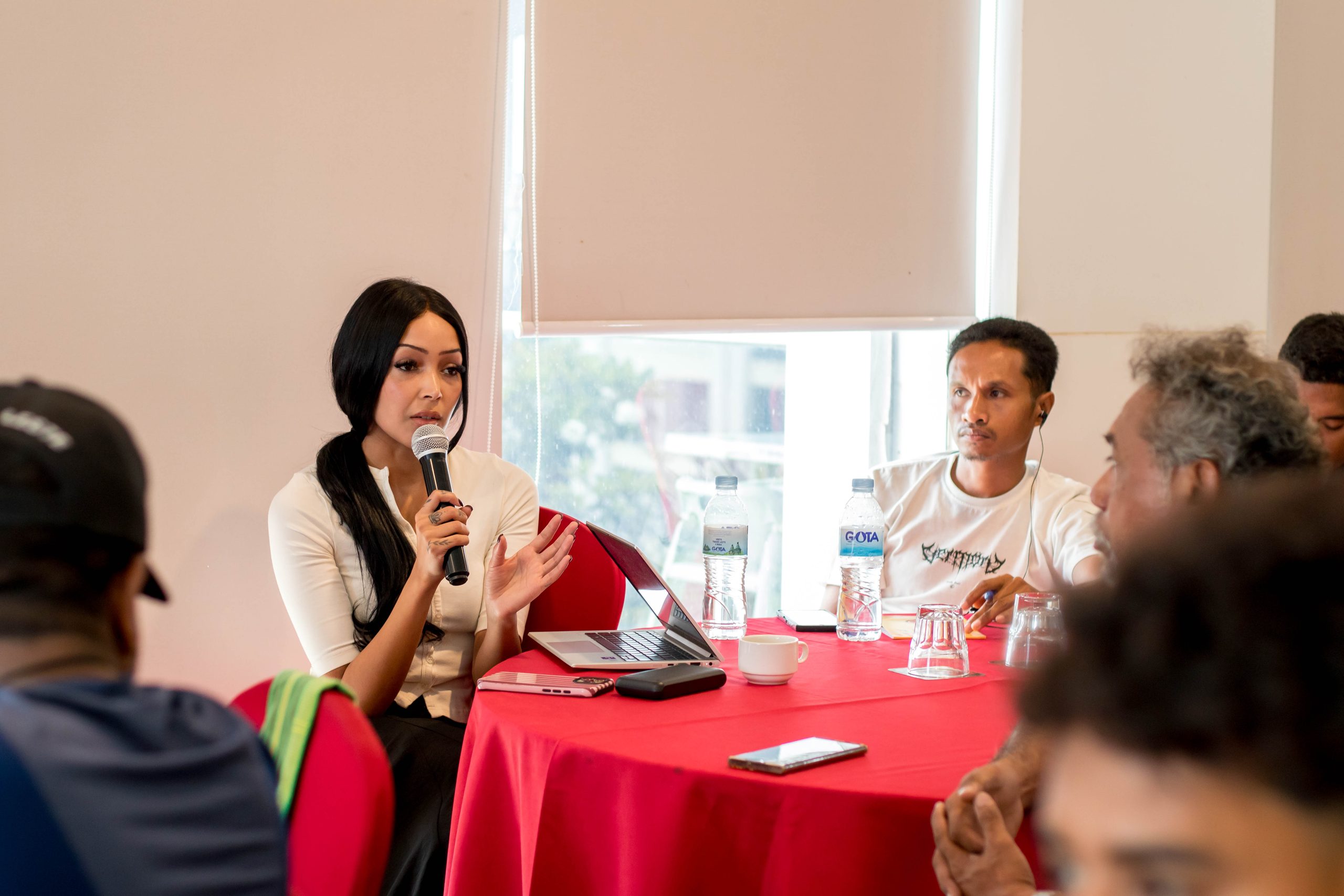
Photos: Attendees at the Australia–Timor-Leste Knowledge Exchange, held recently in Dili. Credit: PARTISIPA.
For more on PARTISIPA: PARTISIPA (Partnership to Strengthen Village Development and Municipal Administration) – DT Global