
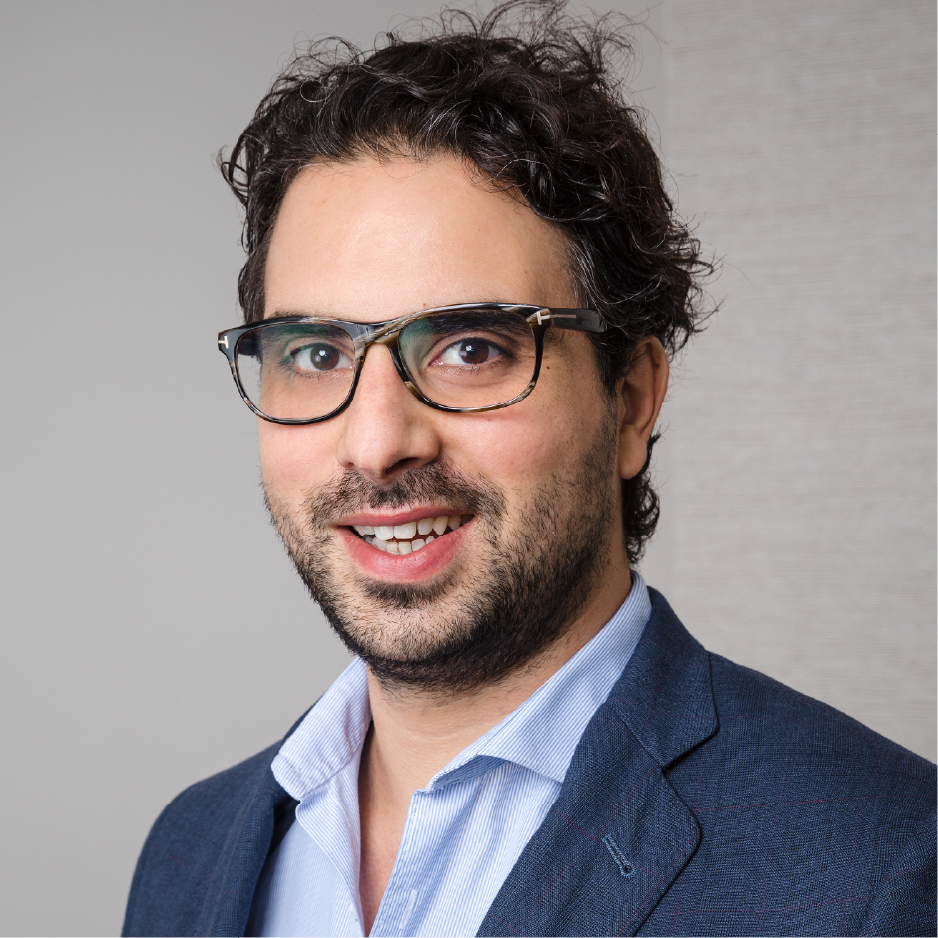
With over 15 years of experience in international development, combined with an MBA in Corporate Finance and a strong academic background in economics, Luca Ruggiero brings extensive expertise in the design, development, and management of large-scale technical assistance programmes. He specializes in governance, public financial management (PFM), and economic development, with a solid understanding of EU policies, regulatory frameworks, and International Financial Institutions (IFIs) procedures.
Luca has held senior leadership roles, including Managing Director and Head of Governance and PFM, leading complex, multi-stakeholder projects across Latin America and the Middle East. He began his career in international cooperation at CIDEAL Foundation, where he combined project management with hands-on consulting experience across countries such as the Dominican Republic, Guatemala, and Vietnam. His work included project evaluations, institutional strengthening of Civil Society Organisations, and local economic development initiatives. He contributed to the design of result-oriented monitoring systems, strategic planning, and the delivery of training programmes on project formulation, as well as the preparation of sectoral studies on Aid and Governance for international donors.
What’s your favorite place of all the places you’ve travelled?
One of my favourite places I have travelled to is the Jesuit Missions of the Guaranis, particularly San Ignacio Miní. What stays with me most is its atmosphere of decadence and living ruins, as though the site still breathes history through its ruins, carvings, and open spaces. It reflects a striking fusion of cultures and traditions and carries the legacy of a remarkable social and cultural experiment. For me, it is a place where ideas of social justice, artistic expression, and architectural beauty came together in an unusually powerful way, leaving behind a setting that is both thought-provoking and deeply memorable.
What was the last really great book you read? Why?
The last truly great book I read was El hombre que amaba a los perros by Leonardo Padura. It goes far beyond the historical account of Ramón Mercader and the assassination of Leon Trotsky. The novel moves across three sharply different worlds, Spain, the Soviet Union, and Mexico, and traverses some of the defining ruptures of the 20th century, from the Spanish Civil War to Stalinism and the disillusionments that followed. What I found most powerful is the way Padura fuses macrohistory with intimate, personal tragedy. Through individual destinies, he shows the devastating weight of ideology, fear, betrayal, and repression on ordinary human lives. It is not only a novel about political systems and historical violence, but also about fanaticism, shattered illusions, moral compromise, and the slow corrosion of the self under totalitarian power. That is what makes it so compelling: it combines vast historical ambition with an almost painful psychological precision. That combination forces us to confront how power deforms both societies and souls.