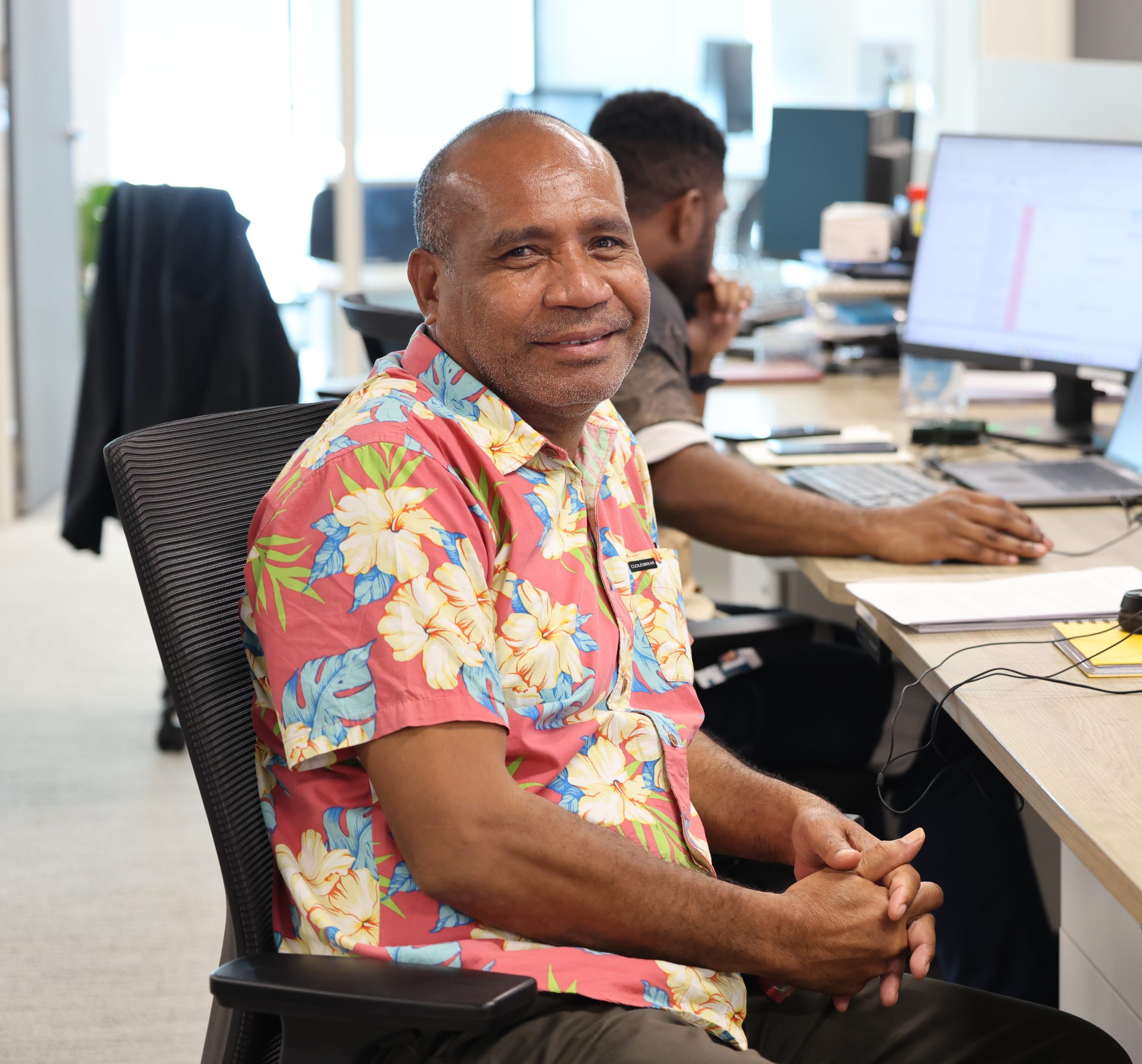
1. What is your current role at ESIP, and what do you do on a day-to-day basis?
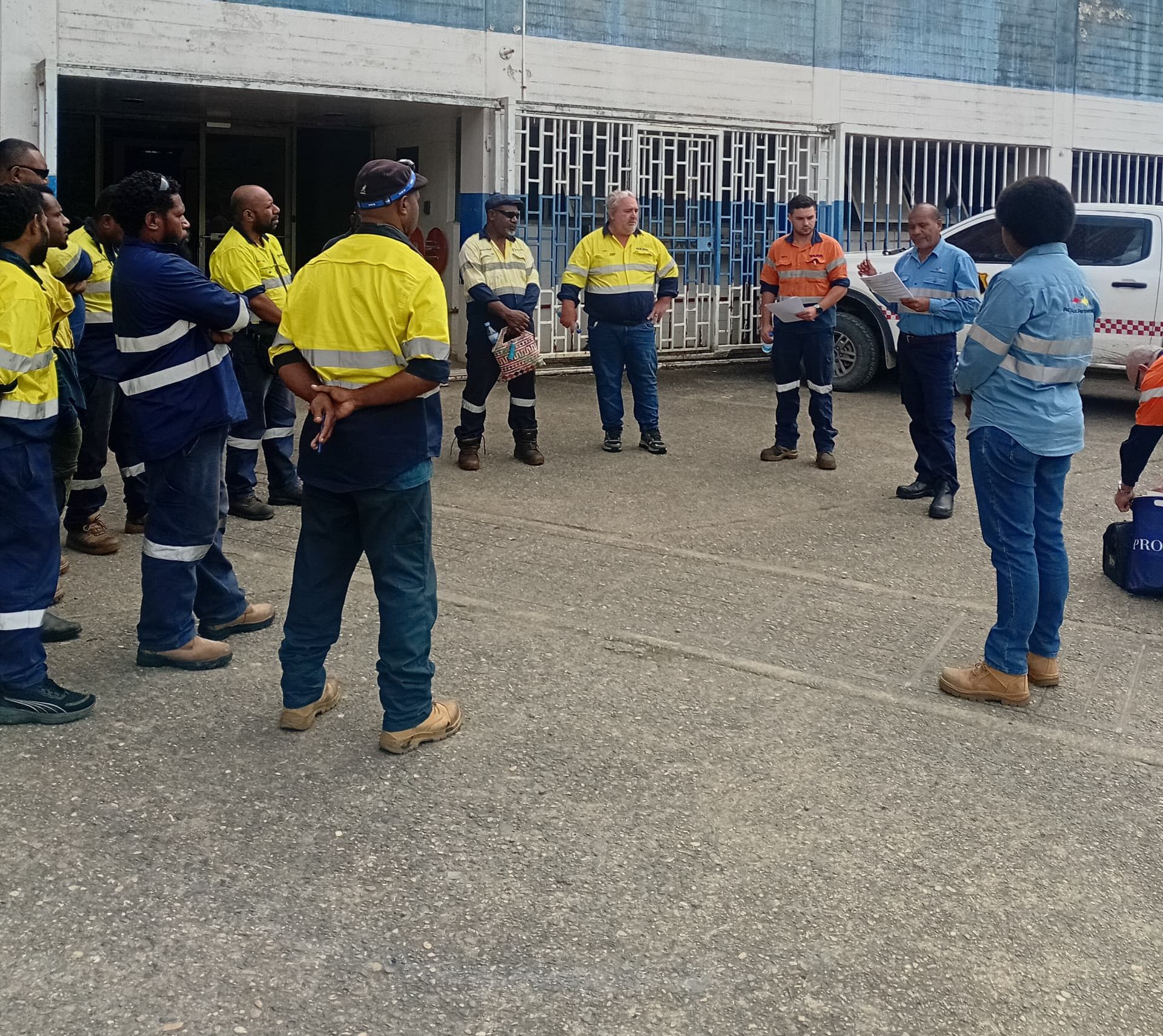
I am currently a Senior Project Manager in ESIP's On-grid Energy Team. My primary responsibility is leading PNG Power Ltd (PPL) hydro generation maintenance and refurbishment projects, ensuring they are planned, managed, and delivered effectively. On a day-to-day basis, I coordinate project activities, manage stakeholders, oversee technical and contractual requirements, monitor project progress, and support project delivery outcomes. Since 2021, my role has expanded to include leading condition assessments, prefeasibility studies, and feasibility studies. These activities support PNG Power Ltd in identifying investment priorities, improving asset performance, and advancing strategic power sector development initiatives.
2. What project achievement, or moment, are you especially proud of while working on ESIP?
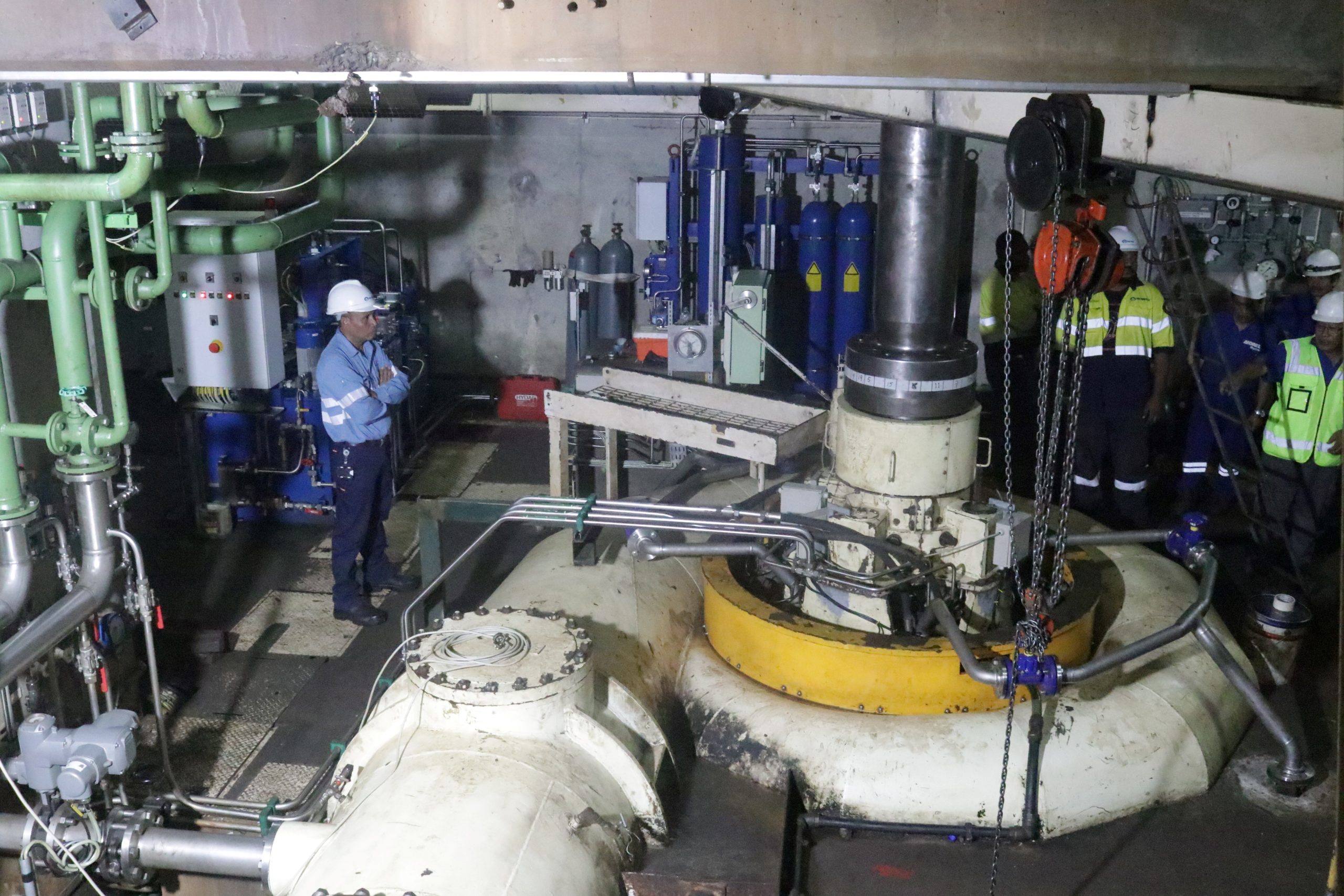
The project I am most proud of is the Ramu 1 Unit 4 Turbine Refurbishment and Commissioning, successfully completed in 2022. The project faced significant challenges, including COVID-19-related disruptions, global logistics and procurement delays, limited contractor availability, and an unsuccessful 2021 tender process. Despite these significant challenges, the project was successfully delivered between July and November 2022. Since refurbishment, the unit has operated reliably and continues to support the Ramu grid. This achievement is particularly meaningful to me as it was my first major assignment with ESIP, and I successfully navigated ESIP’s procurement and contracting processes while helping deliver a critical outcome for PNG Power.
3. What is the best thing about your job?
When I joined the program in 2021, I did not fully appreciate its impact. Over time, I have seen how every dollar invested in supporting PNG Power's energy generation projects helps improve the lives of people across Papua New Guinea. Knowing that my work contributes to these positive outcomes motivates me every day. I also find great satisfaction in mentoring young ESIP engineers and sharing my knowledge, helping to build the capability needed to deliver future projects that will benefit PNG communities.
4. What is something people may not know about your career journey?
While project management is central to my role at ESIP, a lesser-known part of my career journey is my background in asset management. Through experience in the mining, agriculture, and state-owned electricity utility sectors, I have developed a strong understanding of the asset lifecycle. This knowledge helps me better understand the reasons behind project decisions and enables me to define project scope, requirements, and delivery strategies more effectively.
5. Who or what has had the biggest influence on the way you work?
My parents have had the greatest influence on the way I work. They instilled the values of discipline, integrity, honesty, and humility from an early age, which continue to guide my professional conduct and decision-making today.
6. If you could share one insight with someone starting out in your field, what would it be?
Engineering requires discipline, commitment, and accountability. Take ownership of your decisions, both professionally and personally, because they will shape your career and character. I chose engineering because I am passionate about solving problems and creating practical solutions to challenges. I would also encourage more women in Papua New Guinea to pursue engineering and step into leadership roles, where they can make a meaningful impact on the industry.
7. What are you hoping to learn or achieve over the next few years?
Over the next few years, I hope to share my knowledge and experience with the next generation of engineers, helping them develop the skills and confidence to continue the important work of building and maintaining our nation’s infrastructure. Having spent more than 25 years in the workforce, I am also beginning to prepare for the next chapter of my life and a gradual transition from full-time work. I take pride in the contribution I have made to Papua New Guinea’s development and hope to leave a legacy through mentorship and knowledge transfer.
The Economic and Social Infrastructure Program (ESIP) works with partners in Papua New Guinea to support improved planning, prioritisation, delivery, and sustainability of economic and social infrastructure.
For more on ESIP: Papua New Guinea: Improving Planning, Prioritisation, and Delivery of Sustainable Infrastructure - DT Global