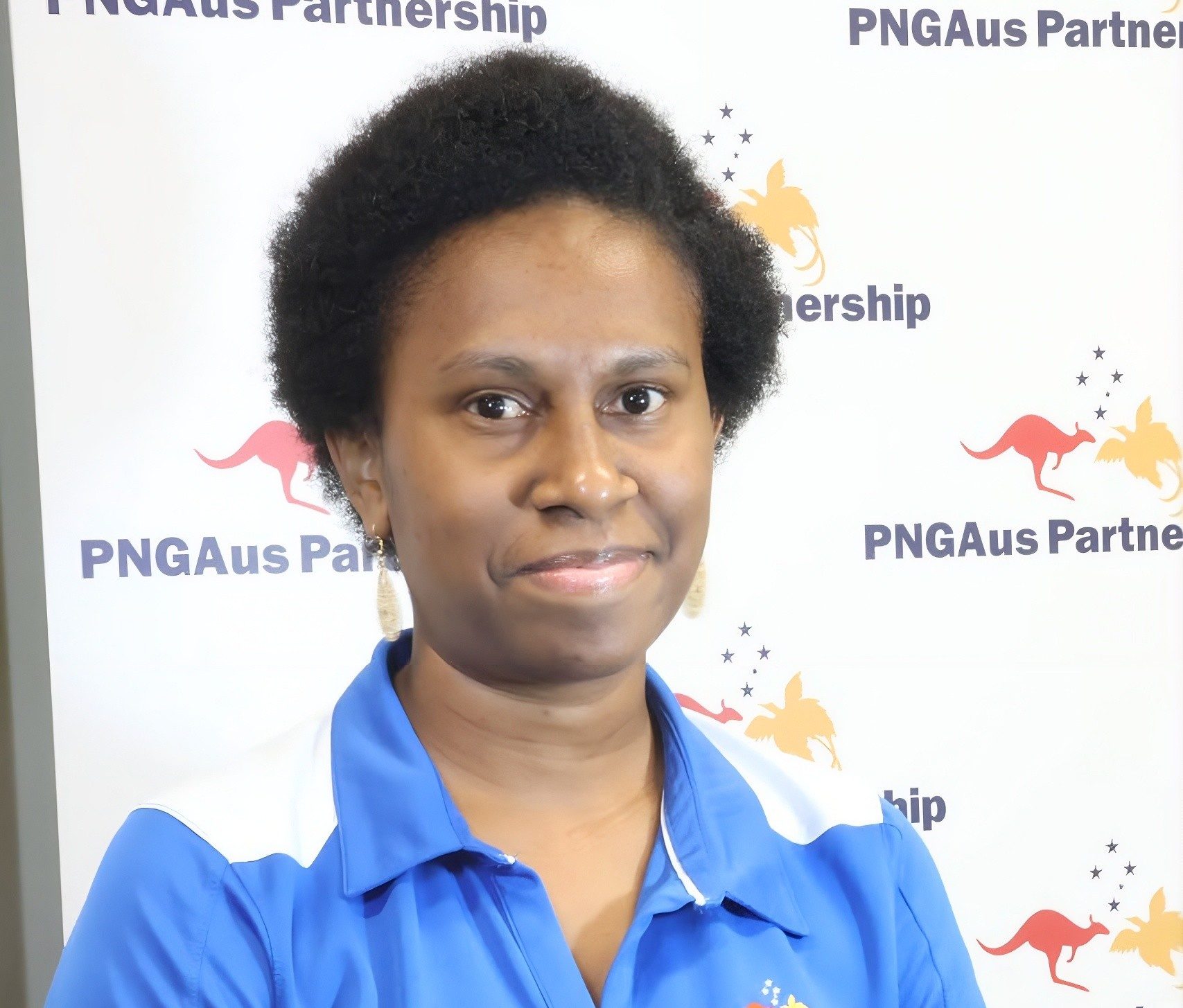
Tracey Paira is a Project Manager with the Economic and Social Infrastructure Program in Papua New Guinea, where she oversees infrastructure projects from design through construction and commissioning. Here she tells us about her role, her biggest influences and her hopes for the future.
-
- What is your current role at ESIP, and what do you do on a day-to-day basis?
I am an Infrastructure Project Manager with ESIP, responsible for overseeing the delivery of infrastructure projects from design through to construction and commissioning. Day-to-day, I coordinate project activities and work closely with contractors, design consultants, stakeholders, and ESIP's cross-cutting teams to ensure projects are delivered safely, on time, and within budget. I also help ensure our projects align with ESIP's commitments to GEDSI, safeguards, climate change and disaster resilience (CCDR), locally led development (LLD), and quality outcomes that create lasting benefits for the communities we serve.
- What project achievement, or moment, are you especially proud of while working on ESIP?
I am particularly proud of the successful construction, commissioning, and handover of the new Pathology Laboratory at Daru General Hospital in Western Province. As the first project I worked on with ESIP, it was a significant milestone in my career. It was rewarding to see the facility progress through construction to a fully operational laboratory that will strengthen diagnostic services and support better healthcare outcomes for the people of Western Province.
- What is something people may not know about your career journey?
I don't think my experience is unique. Like many graduates, I didn't secure a job in my field of study straight after university and worked in a range of roles before starting my engineering career. Looking back, it taught me to stay persistent and make the most of every opportunity that came my way.
- Who or what has had the biggest influence on the way you work?
The biggest influence on the way I work has been the people and communities that ultimately benefit from the projects we deliver. Knowing that infrastructure can improve access to essential services such as healthcare, education, and economic opportunities motivates me to focus on quality outcomes and long-term value. It reminds me that our work is not just about constructing buildings and facilities, but about creating positive and lasting impacts for communities.
- If you could share one insight with someone starting out in your field, what would it be?
My advice would be to spend time understanding the people behind the project, not just the technical aspects. Successful infrastructure projects are built on strong relationships, clear communication, and a genuine understanding of stakeholders' and communities' needs. Technical skills are essential, but the ability to work effectively with people and navigate challenges often determines a project's success.
- What are you hoping to learn or achieve over the next few years?
Over the next few years, I hope to continue growing as a project manager and expanding my experience delivering complex infrastructure projects. I still feel there is always more to learn, particularly in project leadership, risk management, and adapting to changing project circumstances. Every project presents different challenges and opportunities, and I want to continue building the skills needed to adapt, make informed decisions, and deliver successful outcomes for the communities we serve.
For more on ESIP: Papua New Guinea: Improving Planning, Prioritisation, and Delivery of Sustainable Infrastructure - DT Global